From Influencer to Micro-Merchant: Europe's Creator Economy Matures Beyond Ad Revenue
European creators are increasingly circumventing traditional affiliate models, leveraging bespoke digital storefronts and social platforms to become direct-to-consumer retailers, reshaping the continent’s e-commerce landscape.

When French beauty influencer Lena Situations launched her pop-up store, "Hotel Mahfouf", in central Paris, the queues stretched for blocks, demonstrating a clear shift from mere content creation to direct commercial engagement. This phenomenon, once largely confined to early adopter markets in the US and Asia, is now taking root across the European Union, as digital personalities transform their influence into tangible product sales, often bypassing established retail intermediaries.
This evolving creator commerce model signifies more than just a new revenue stream for internet celebrities; it represents a fundamental reorientation of supply chains and consumer acquisition strategies. Instead of merely endorsing products in exchange for advertising fees or commissions, creators are developing, marketing, and selling their own branded merchandise, digital products, and even curated physical goods. The implications for traditional retailers, from Zalando to Carrefour, are substantial, introducing new competition powered by direct audience trust and engagement.
Data from platforms supporting creator storefronts illustrate this trajectory. While precise pan-EU figures remain nascent, individual market observations are telling. In Germany, a significant portion of creators, particularly those in fashion and lifestyle, report over 30% of their income now stems from direct commerce, a notable increase from just 10% three years prior. Similar trends emerge in Spain and Italy, where the digital fluency of younger demographics provides fertile ground for creator-led brands.
The Appeal of Autonomy and Direct Engagement
The allure for creators lies in greater autonomy and higher profit margins. By controlling the product lifecycle, from conception to customer delivery, they capture a larger share of the value chain. This disintermediation reduces reliance on brand partnerships, which can be fickle, and external e-commerce aggregators that often impose significant fees. Platforms like Shopify, which powers many creator stores, reported a double-digit increase in merchant sign-ups from the EU in the last year, many of whom are individual creators or small content-driven enterprises.
Consumers too are embracing this shift. There is a growing preference for purchasing directly from individuals or small brands perceived as authentic, over large, often impersonal corporations. This trust economy, amplified by social media, allows creators to launch products with built-in demand. For instance, a Nordic gaming streamer might launch a line of custom peripherals with immediate uptake from their core audience, effectively leveraging pre-existing community loyalty into sales.
The authentic connection forged by creators with their audience translates directly into purchasing intent, an advantage few legacy brands can replicate organically.
Traditional European retailers are taking notice. While some, like Bol.com in the Netherlands or Allegro in Poland, are exploring marketplace models that could integrate creator-led brands, others face the challenge of adapting their extensive, but often less agile, supply chains. Even grocery giants such as REWE and Lidl, while seemingly distant from this trend, observe how micro-influencers impact product popularity and purchasing decisions at a local level, suggesting future points of convergence.
Infrastructure built around the gig economy and rapid delivery, like the now-defunct Gorillas and its competitors, inadvertently laid groundwork for creator commerce by normalising instant gratification for niche products. The logistics for fulfilling orders from a creator's bespoke merchandise line, often smaller in scale but intensely personal, benefit from such established rapid distribution networks, even if not directly leveraging the same companies.
The long-term implications for the European retail sector are still unfolding. As more individuals transform from content purveyors to micro-merchants, the competitive landscape will become increasingly fragmented yet highly personalised. This pushes established players to reconsider their engagement strategies, potentially leading to more targeted collaborations or the development of their own creator incubation programmes to stay relevant in a market valuing individuality and direct connection.
News Legacy maintains editorial independence. Some recommendations may contain affiliate links. We earn from qualifying purchases at no additional cost to you. Read our policy.
Read Next

Is Sohna Really the Next Chhatarpur?
Three decades after Chhatarpur redrew South Delhi's map for space, privacy and exclusivity, a familiar pattern is now taking shape further south, and Sohna is where the smart money is beginning to look.
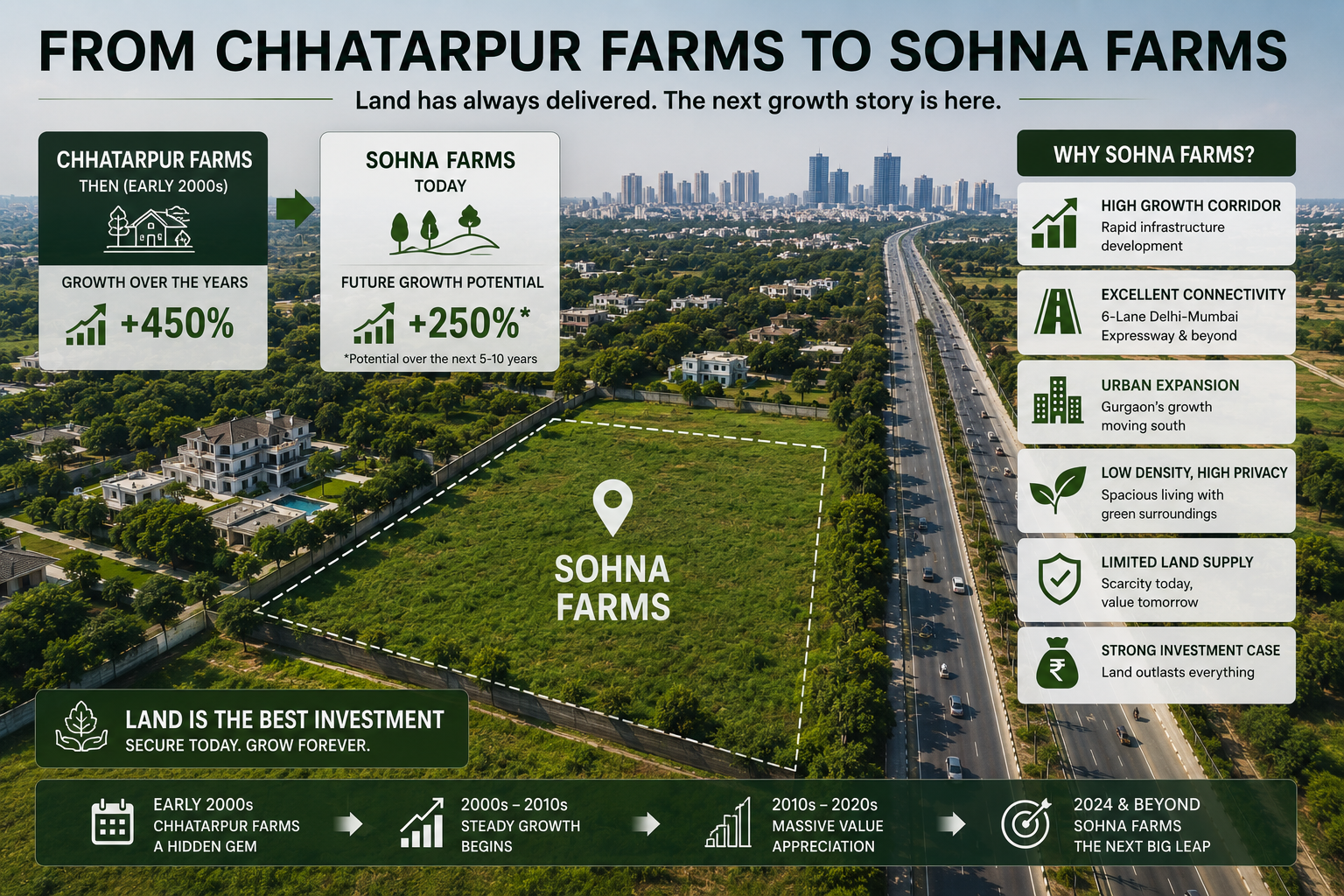
How Chhatarpur Farmhouses Created Multi-Crore Wealth for Early Buyers
What a quiet corner of South Delhi can teach investors about land, scarcity, and long-term wealth creation.
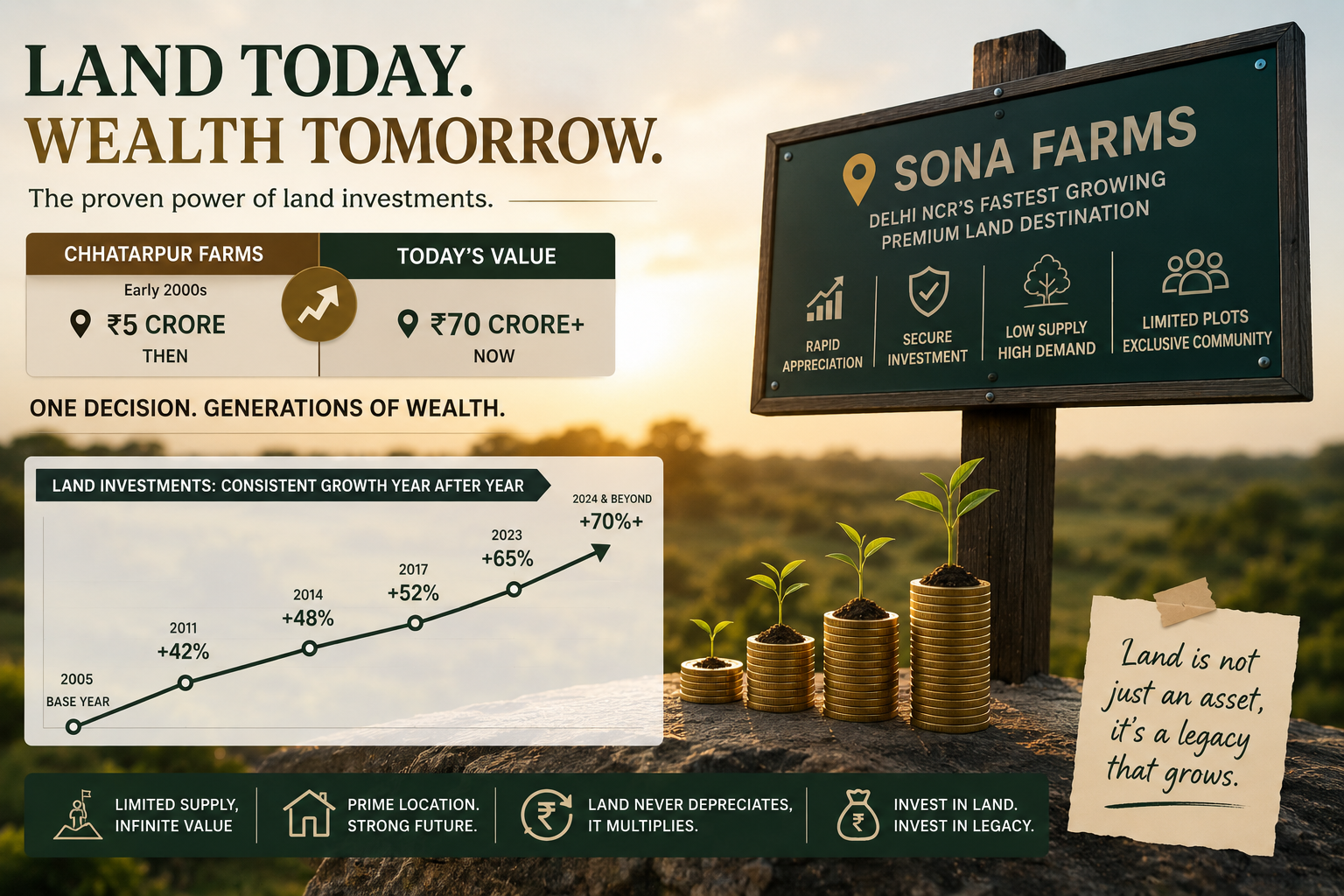
The ₹5 Crore Land Purchase That Became Worth ₹70 Crore
What the Story of DLF Chhatarpur Farms Reveals About Wealth Creation Through Premium Land Ownership
One short email. Stories you can use.
A free, occasional email from our editorial team with our latest features, explainers and reads. Unsubscribe any time — your email stays with us.