From Likes to Logistics: European Creators Navigate a Patchwork Commerce Landscape
Across Europe, individual content creators are evolving beyond mere influence, building sophisticated commercial operations. This shift presents both opportunities and significant logistical hurdles within the continent's fragmented regulatory and consumer environment.

In a compact studio apartment near Berlin's Tiergarten, a fashion influencer meticulously packages a pre-loved designer handbag, preparing it for shipment to a buyer in Marseille. This scene, replicated thousands of times daily, underscores the quiet transformation of Europe's creator economy. What began as sponsored posts and affiliate links is rapidly maturing into direct-to-consumer commerce, where individuals are becoming micro-retailers, selling everything from digital courses to physical goods through platforms and bespoke online storefronts. The scale and complexity of this transition, however, vary dramatically across European markets.
The continent's diverse consumer habits and regulatory frameworks create a unique challenge for creators looking to scale. A French beauty blogger might find success through a direct shop integrated with Instagram, capitalising on local preferences for immediate gratification, while a Polish gaming streamer could leverage platforms like Allegro for merchandise sales, tapping into a strong e-commerce tradition. These individual operations, while small, collectively represent a significant economic force, pushing traditional retailers and digital marketplaces to adapt.
Cross-Border Complexities for Solo Enterprises
Navigating intra-EU trade presents a particular headache for these nascent businesses. Unlike established giants such as Zalando or Bol.com, which possess sophisticated logistics networks and legal departments, a single creator often grapples with disparate VAT rules, customs declarations even within the common market for certain goods, and varying consumer protection laws. A €50 handcrafted item shipped from Spain to Sweden incurs substantially more administrative burden for a sole proprietor than for a global fulfilment centre.
This fragmentation inadvertently favours platform-centric solutions. Companies like Vinted, which facilitates second-hand fashion sales across borders, absorb much of this complexity for its users. Similarly, while not direct creator commerce platforms, the rapid grocery delivery services that flourished, like the now-defunct Gorillas or Flink, demonstrated an appetite for hyper-local, rapid fulfilment that creators could theoretically leverage for certain product categories, albeit with differing business models.
Traditional retail behemoths like Carrefour and REWE are also observing this trend with caution. While they operate at a vastly different scale, the direct connection creators forge with their audience represents a channel few large retailers have mastered. Some are exploring partnerships, recognising the marketing reach and authenticity creators offer, but direct competition in niche product categories remains a distant, albeit potential, prospect.
The agility of creators allows them to pivot quickly to market demands, a structural advantage over large, bureaucratic retail organisations.
The Appeal of Niche Markets
The creator commerce boom is not evenly distributed across product categories or geographies. In Germany, a strong preference for data privacy and established local payment methods influences platform choices. In contrast, Italy sees a vibrant market for artisan goods sold directly by craftspeople through social channels. The Nordics, with their high digital penetration, often embrace subscription box models and digital content sales by creators. This regional specialisation means a one-size-fits-all strategy rarely succeeds.
Investment in the underlying infrastructure for creator commerce remains robust, though it often targets the platforms rather than individual creators directly. Companies offering tools for payment processing, inventory management, and marketing automation are seeing double-digit growth. The goal is to reduce operational friction, enabling more creators to transition from content generation to commercial enterprise without needing an entire back-office team. The success of this transition hinges on how effectively these tools can harmonise the fragmented European digital commerce ecosystem into a smoother, more predictable experience for the individual entrepreneur.
The future trajectory appears to involve a continued push towards direct sales, amplified by better integration between social media and e-commerce functionalities. However, until significant strides are made in standardising cross-border micro-commerce within the EU, the current landscape will continue to demand a high degree of entrepreneurial adaptability and local market understanding from individual content creators seeking commercial success.
News Legacy maintains editorial independence. Some recommendations may contain affiliate links. We earn from qualifying purchases at no additional cost to you. Read our policy.
Read Next

Is Sohna Really the Next Chhatarpur?
Three decades after Chhatarpur redrew South Delhi's map for space, privacy and exclusivity, a familiar pattern is now taking shape further south, and Sohna is where the smart money is beginning to look.
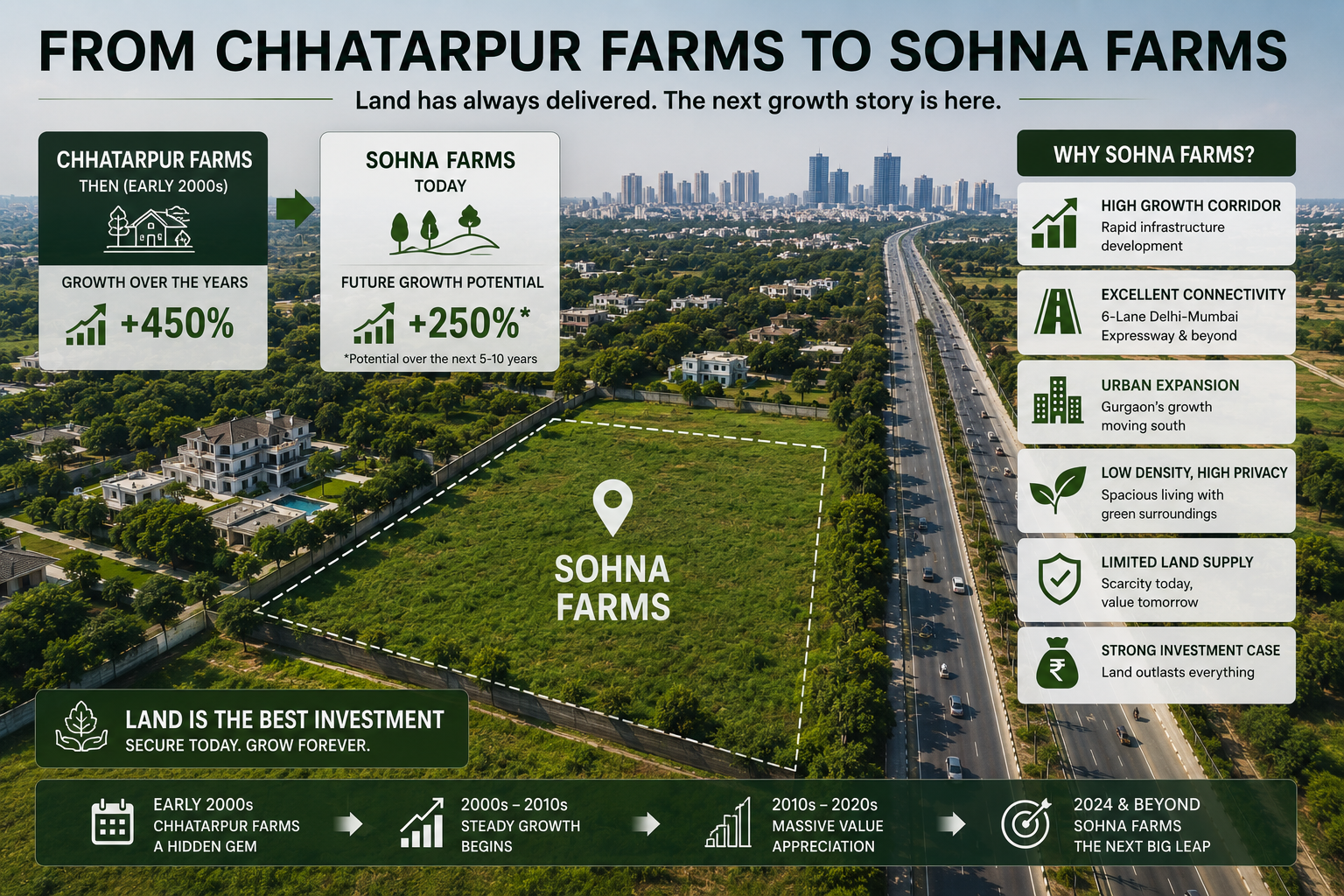
How Chhatarpur Farmhouses Created Multi-Crore Wealth for Early Buyers
What a quiet corner of South Delhi can teach investors about land, scarcity, and long-term wealth creation.
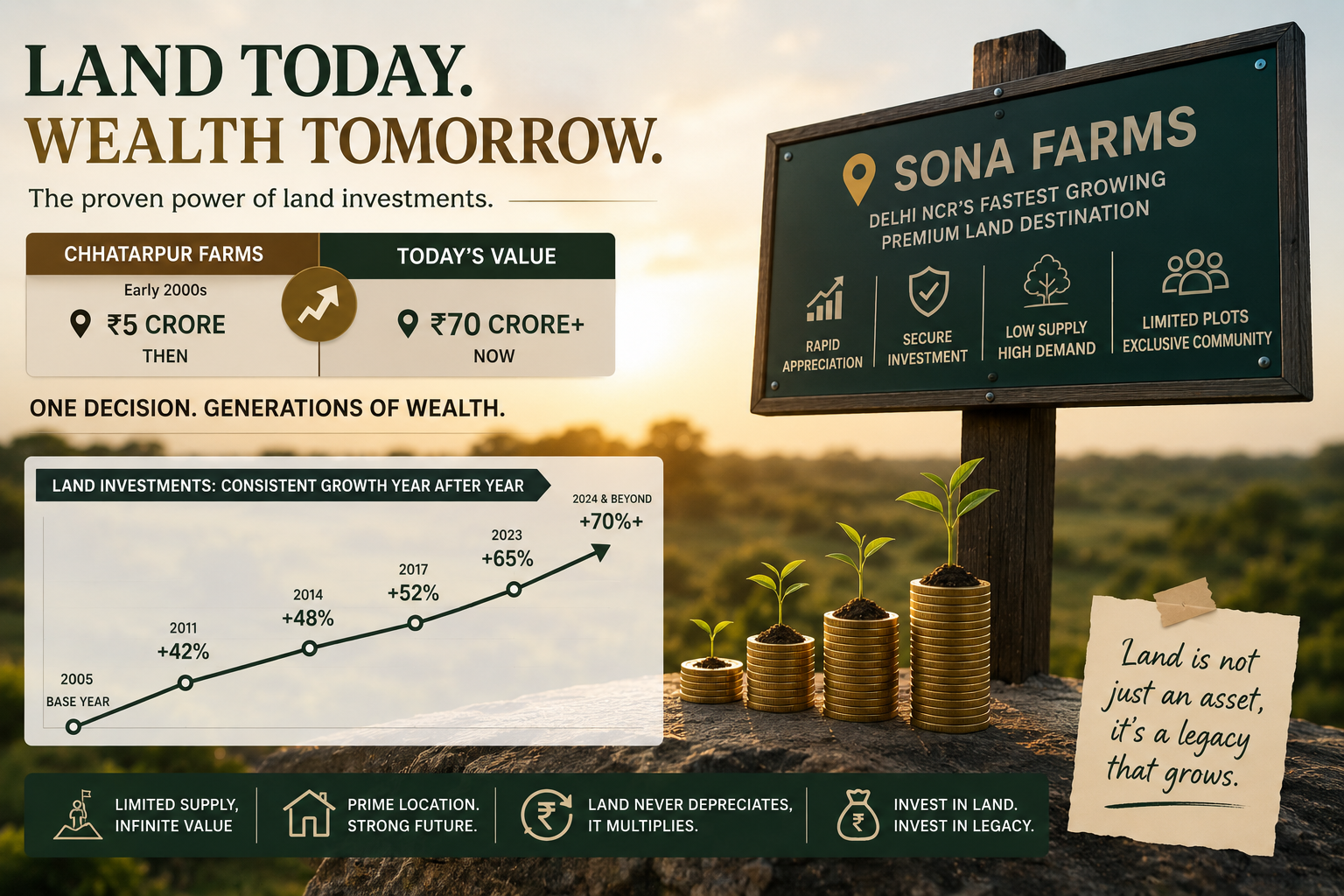
The ₹5 Crore Land Purchase That Became Worth ₹70 Crore
What the Story of DLF Chhatarpur Farms Reveals About Wealth Creation Through Premium Land Ownership
One short email. Stories you can use.
A free, occasional email from our editorial team with our latest features, explainers and reads. Unsubscribe any time — your email stays with us.