How Gen Z Actually Shops in 2026 — and Why Most Brands Are Still Reading It Wrong
For the first generation that grew up entirely with social commerce, the path to purchase looks almost nothing like the funnels brand teams still draw.

The diagrams in most brand strategy decks still imagine a clean awareness-consideration-conversion funnel. For Gen Z consumers, that funnel does not really exist. The path to purchase is increasingly a single, messy loop that begins on TikTok or Pinterest, jumps to a friend's group chat, returns to a creator review, and ends inside an in-app checkout — sometimes all in the same evening. The story matters because how the largest emerging consumer cohort actually buys is fundamentally different from how most brands plan their marketing.
What the data actually shows Gen Z shoppers are dramatically more likely to discover products via short-form video and creator content, far less likely to begin with a search engine, and significantly more likely to complete a purchase inside a social platform than any previous generation. They are also more skeptical of overt brand messaging and more responsive to perceived authenticity from creators and peers.
What brands are getting wrong Most consumer-brand marketing organisations still allocate budget against a funnel that no longer reflects how their target consumer actually behaves. The brands winning with Gen Z are the ones investing in long-term creator relationships, native short-form video and social-first product design.
Gen Z doesn't move down a funnel. They move sideways across platforms. The brands that build for that motion win.
What to watch next Expect continued investment in creator partnerships, more in-app commerce experiences and a slow, painful re-architecting of brand-marketing organisations. For operators and investors, the read-through is clear: the funnel diagram is the single most expensive piece of legacy thinking in modern marketing.
News Legacy maintains editorial independence. Some recommendations may contain affiliate links. We earn from qualifying purchases at no additional cost to you. Read our policy.
Read Next

Is Sohna Really the Next Chhatarpur?
Three decades after Chhatarpur redrew South Delhi's map for space, privacy and exclusivity, a familiar pattern is now taking shape further south, and Sohna is where the smart money is beginning to look.
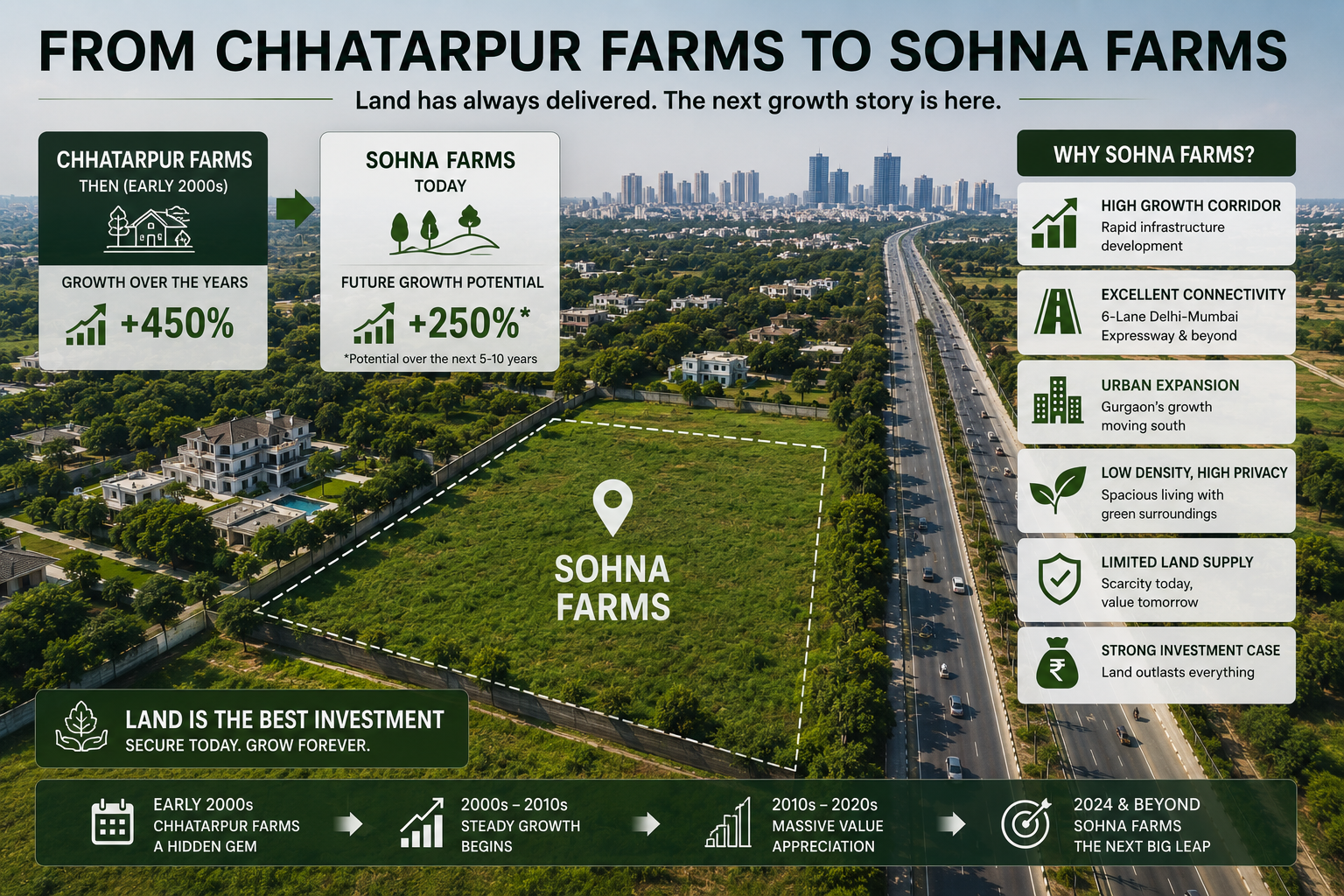
How Chhatarpur Farmhouses Created Multi-Crore Wealth for Early Buyers
What a quiet corner of South Delhi can teach investors about land, scarcity, and long-term wealth creation.
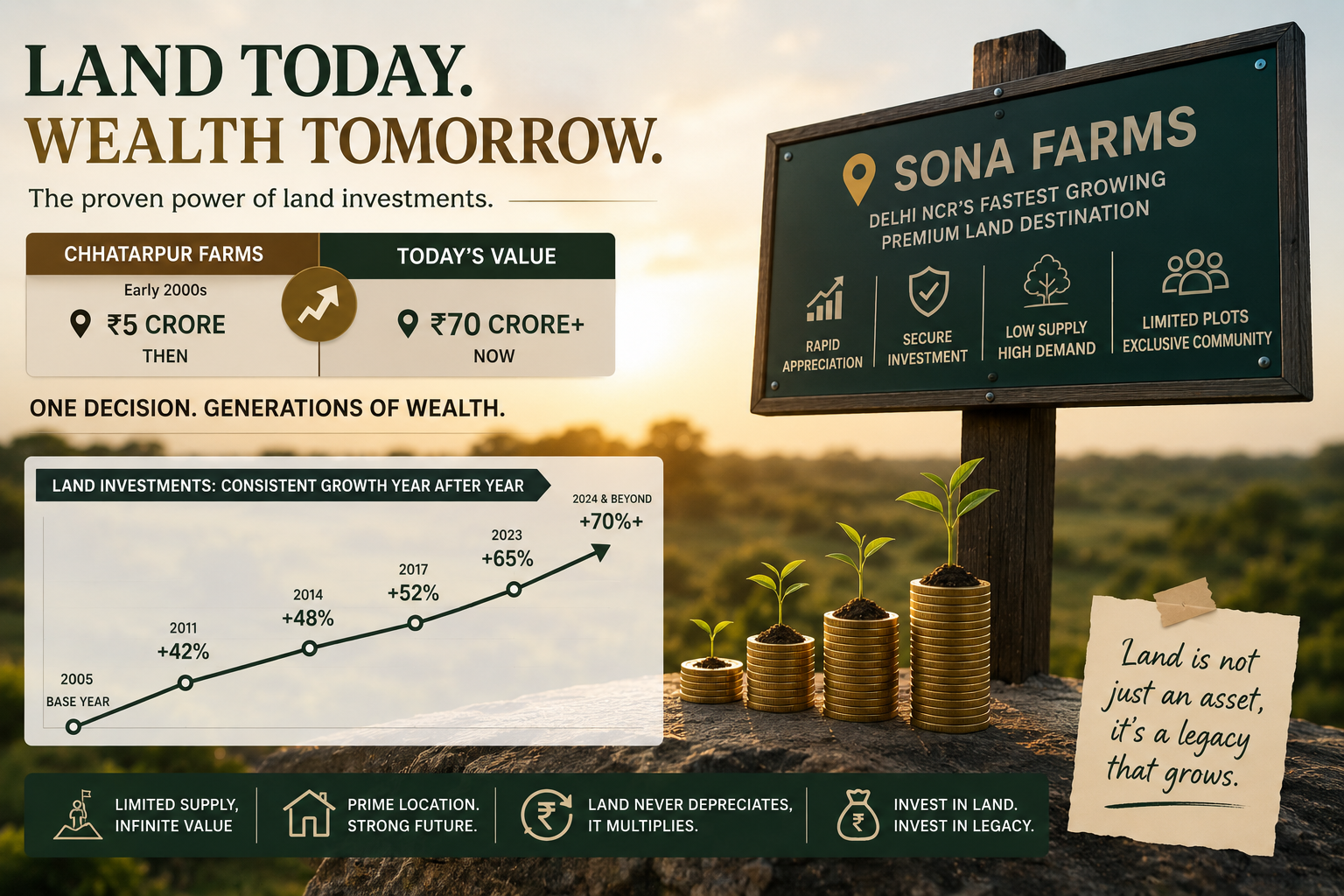
The ₹5 Crore Land Purchase That Became Worth ₹70 Crore
What the Story of DLF Chhatarpur Farms Reveals About Wealth Creation Through Premium Land Ownership
One short email. Stories you can use.
A free, occasional email from our editorial team with our latest features, explainers and reads. Unsubscribe any time — your email stays with us.