Grocery's Digital Divide: European Retailers Invest Unevenly in E-commerce
Across Europe, the promise of online grocery shopping remains a highly fragmented reality, with significant disparities in investment and consumer adoption creating a complex competitive landscape for legacy players and digital natives alike.

From the bustling aisles of a Carrefour hypermarket near Lyon to a REWE supermarket in suburban Hamburg, the digital transformation of grocery retail presents a varied picture. While some European consumers now expect seamless same-day deliveries, enabled by sophisticated logistics systems and dark stores, others still primarily view online grocery as an occasional convenience. This continental divergence shapes the strategic calculus for established retailers and new entrants attempting to capture a share of an increasingly digitised food market. The uneven pace of digital integration carries profound implications for market share, operational efficiency, and ultimately, consumer choice across the Eurozone and beyond.
The initial surge in online grocery during the pandemic years provided a temporary boost, masking underlying structural differences in consumer behaviour and infrastructure development. Nations like France and the UK, with their higher population densities and earlier adoption of click-and-collect models, saw relatively robust e-commerce penetration. Conversely, markets such as Germany, traditionally characterised by efficient discounters like Lidl and Aldi, experienced slower growth in online grocery, with many consumers preferring the tactile experience of in-store shopping and the immediate availability of fresh produce.
The Last-Mile Labyrinth
Delivering perishable goods efficiently to individual homes presents a persistent and costly challenge. Early entrants like Gorillas and Flink, which once promised rapid urban deliveries, have undergone significant restructuring, consolidating operations or exiting markets entirely. This consolidation underscores the difficulty of achieving profitability at scale in hyper-local, on-demand grocery, especially in a continent with diverse urban planning and labour regulations. The capital-intensive nature of warehousing, cold chain logistics, and last-mile transportation acts as a formidable barrier, even for well-funded technology platforms.
Nevertheless, established grocery giants are not abandoning the digital frontier. Carrefour, for instance, continues to expand its online offering, leveraging its store network for both click-and-collect and fulfilment centres. Similarly, REWE in Germany has invested substantially in automated warehouses to enhance its online capacity, recognising the long-term strategic importance of multi-channel presence. These investments aim to build resilient supply chains capable of handling fluctuating demand without cannibalising brick-and-mortar sales.
The economics of online grocery, particularly the last mile, demand innovative solutions beyond traditional retail paradigms.
Cross-Border Opportunities and Challenges
E-commerce pure-plays like Zalando and Vinted have demonstrated the viability of cross-border retail for non-perishable goods, facilitating trade between countries like Poland, Germany, and Spain. However, applying this model to grocery introduces complexities related to varying food safety standards, language barriers, and national brand preferences. While platforms such as Allegro in Poland and Bol.com in the Netherlands dominate their respective domestic e-commerce landscapes, their expansion into grocery has largely been through marketplace models rather than direct cross-border food delivery. These dynamics suggest that while a common digital marketplace for consumer goods thrives, a truly unified European online grocery market remains elusive.
The capital required for these transitions is substantial. European retailers are channeling billions of euros into modernising their logistics and digital infrastructure. A significant proportion of this is dedicated to automation within distribution centres, optimising pick-and-pack processes, and developing sophisticated AI-driven demand forecasting. The objective is to reduce the operational costs associated with online fulfilment, an area where profitability has historically lagged behind in-store sales.
As the sector matures, the focus shifts from merely offering an online option to creating a truly differentiated digital experience. This includes personalised recommendations, seamless integration of loyalty programmes, and flexible delivery slots. The competition is no longer solely about price, but increasingly about convenience, reliability, and the ability to anticipate consumer needs. Success in this evolving environment will hinge on retailers' capacity for continuous innovation and their willingness to embrace business models that blend digital prowess with established physical footprints.
News Legacy maintains editorial independence. Some recommendations may contain affiliate links. We earn from qualifying purchases at no additional cost to you. Read our policy.
Read Next

Is Sohna Really the Next Chhatarpur?
Three decades after Chhatarpur redrew South Delhi's map for space, privacy and exclusivity, a familiar pattern is now taking shape further south, and Sohna is where the smart money is beginning to look.
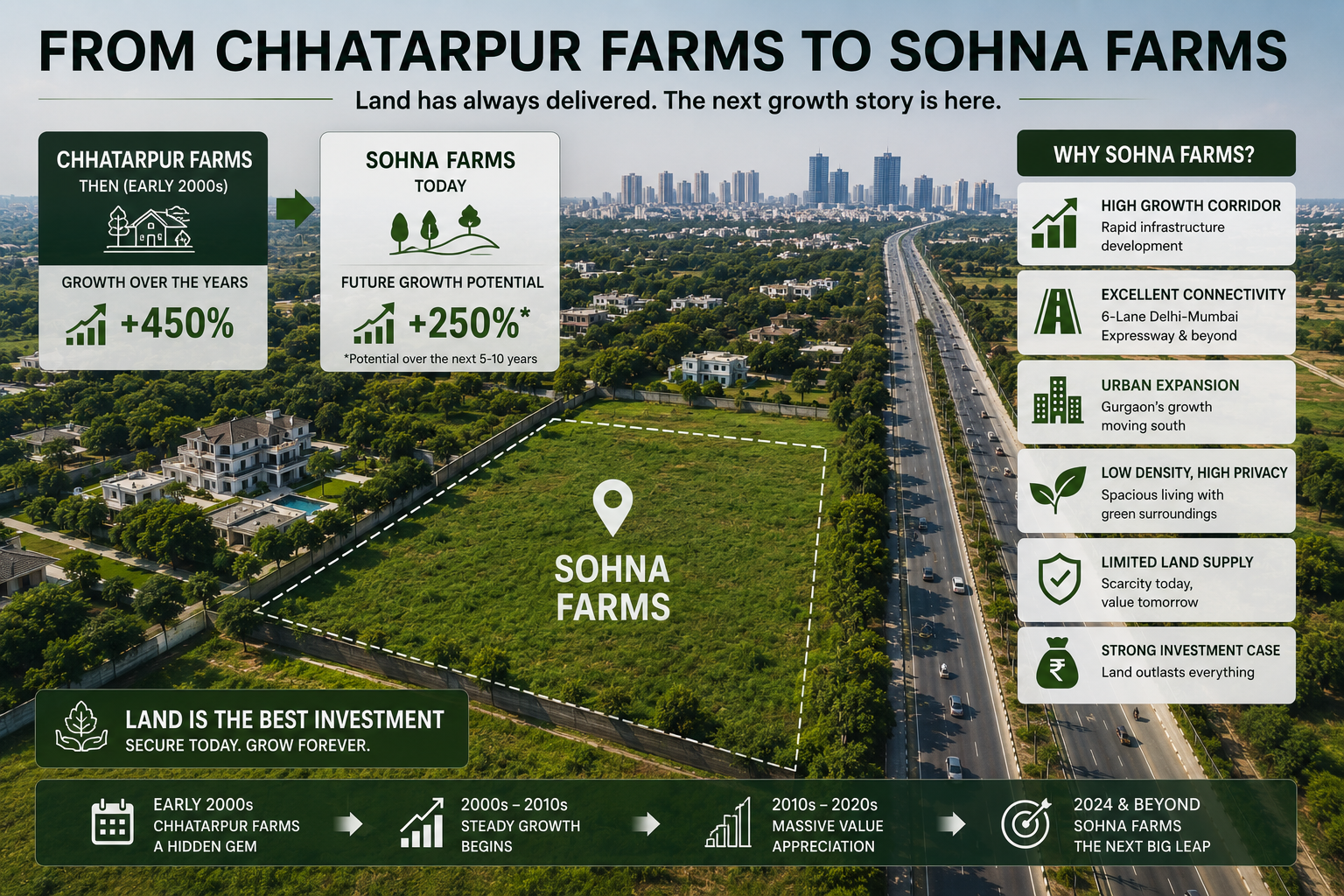
How Chhatarpur Farmhouses Created Multi-Crore Wealth for Early Buyers
What a quiet corner of South Delhi can teach investors about land, scarcity, and long-term wealth creation.
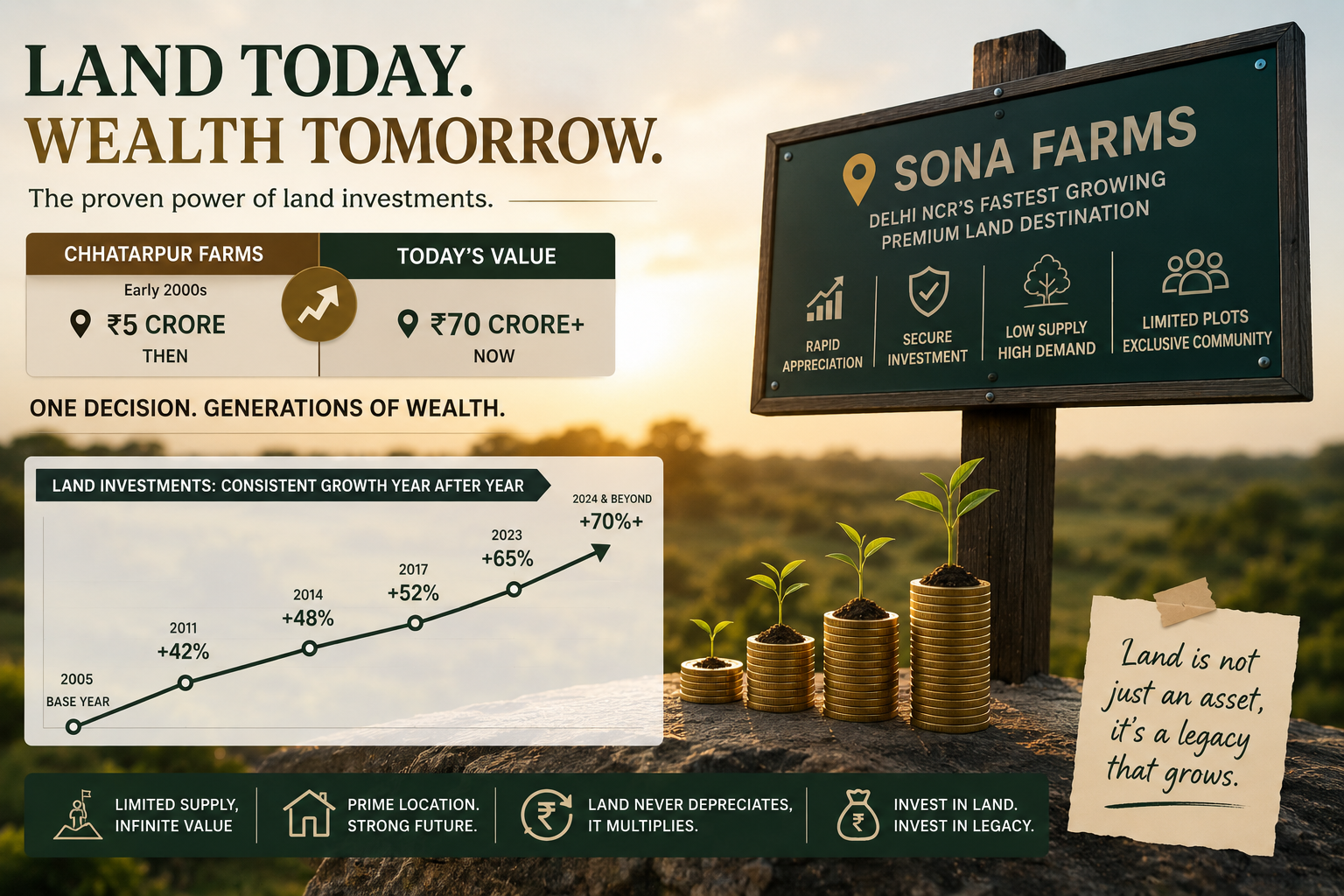
The ₹5 Crore Land Purchase That Became Worth ₹70 Crore
What the Story of DLF Chhatarpur Farms Reveals About Wealth Creation Through Premium Land Ownership
One short email. Stories you can use.
A free, occasional email from our editorial team with our latest features, explainers and reads. Unsubscribe any time — your email stays with us.