Hybrid Retail Models Proliferate as European Market Maturity Shifts Investment Focus
The European retail landscape, once dominated by pure-play e-commerce ventures, is witnessing a significant pivot towards integrated online-offline strategies. This evolution reflects a recalibration of investment and operational priorities as market saturation and profitability pressures reshape expectations.

In a nondescript industrial park outside Hanover, a REWE lorry carrying fresh produce destined for city-centre Click-and-Collect points underscores a quiet but profound transformation in European retail. While headlines often focus on the spectacular rise and fall of rapid grocery delivery startups, the more enduring trend involves established grocery giants and digitally native brands alike converging on omnichannel models. This strategic reorientation is not merely about convenience; it addresses the intricate economics of last-mile delivery and the enduring consumer preference for physical interaction, even in a digitally-fluent continent.
The initial wave of e-commerce expansion across Europe, exemplified by the growth of Zalando in fashion or Allegro in the CEE region, largely centred on replicating traditional retail online. This strategy garnered significant market share but often at the cost of sustained profitability, particularly as customer acquisition costs escalated. The subsequent investment frenzy into areas such as quick commerce, where players like the now-defunct Gorillas legacy and Flink burned through significant capital, further highlighted the challenges of pure-play digital models when scaling perishable goods or high-frequency, low-margin transactions.
The Blurring Lines of Digital and Physical
Today's retail innovators are less concerned with digitising existing paradigms and more focused on creating entirely new hybrid structures. Carrefour's expansion of its urban 'Carrefour Flash' autonomous stores in Paris, alongside an accelerating pace of digital fulfilment centre openings, illustrates this duality. Similarly, non-food retailers like Bol in the Netherlands are investing in physical collection points and returns infrastructure, recognising that a seamless experience often bridges both digital and physical touchpoints. This multi-modal approach acknowledges that the European consumer, from a rural Italian village to a bustling German metropolis, expects both digital convenience and the option of tangible engagement.
This shift is particularly pronounced in the fashion and second-hand markets. While Vinted has successfully scaled a C2C model across multiple European countries, its growth is underpinned by extensive logistical partnerships, including parcel drop-off and collection networks. For new entrants, directly competing with Amazon's logistical might or even Zalando's established fashion ecosystem has become cost-prohibitive. Instead, many are exploring niche product categories or highly curated experiences, often leveraging a hybrid model from conception.
Financial data reflects this maturing market. Venture capital flows into European retail technology are redirecting, moving away from hyper-growth, loss-making pure-plays towards enabling technologies for existing retailers, logistics optimisation, and profitable omnichannel expansion. Investments now frequently hinge on clear pathways to positive unit economics and demonstrable efficiencies across the supply chain, rather than solely on top-line revenue growth.
The era of subsidised convenience is receding; sustainable retail growth in Europe now demands operational excellence across every customer touchpoint, whether digital or physical.
Cross-border strategies are also evolving. While initial e-commerce expansion saw companies trying to replicate their domestic success in neighbouring markets, the current trend involves more nuanced, market-specific hybrid strategies. A retailer expanding from France to Spain might prioritise local dark stores and pick-up points due to local density and consumer habits, while an expansion into Nordics might lean more heavily on sophisticated last-mile logistics integrations with local postal services.
The consequence of this pivot is a retail environment that is more resilient and, ultimately, more competitive. The integration of digital capabilities with physical networks allows for greater inventory efficiency, reduces the pressure on last-mile delivery costs, and offers consumers a broader range of fulfilment options. This iterative refinement of retail models, rather than disruptive leaps, appears to be the defining characteristic of the coming decade for European commerce.
News Legacy maintains editorial independence. Some recommendations may contain affiliate links. We earn from qualifying purchases at no additional cost to you. Read our policy.
Read Next

Is Sohna Really the Next Chhatarpur?
Three decades after Chhatarpur redrew South Delhi's map for space, privacy and exclusivity, a familiar pattern is now taking shape further south, and Sohna is where the smart money is beginning to look.
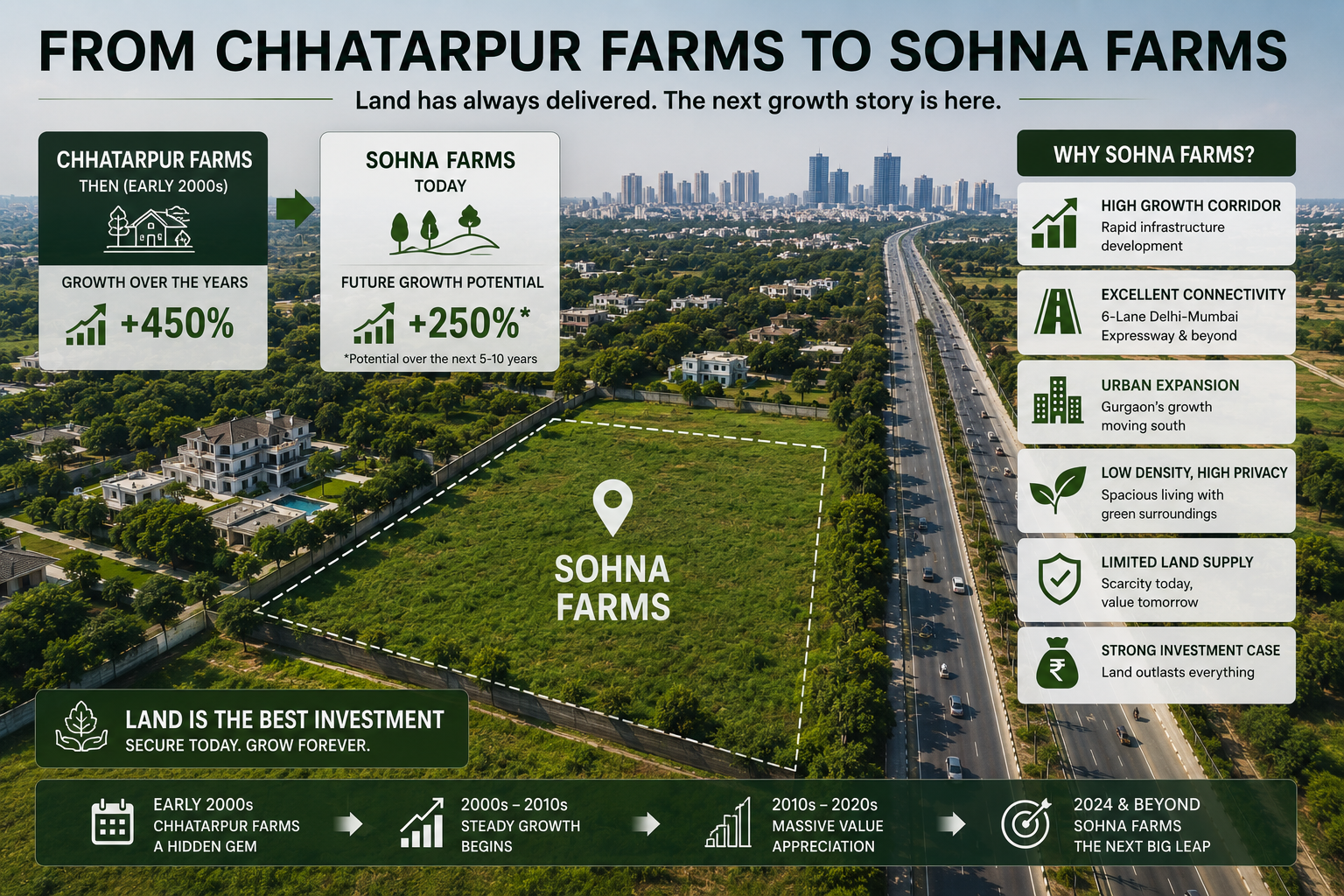
How Chhatarpur Farmhouses Created Multi-Crore Wealth for Early Buyers
What a quiet corner of South Delhi can teach investors about land, scarcity, and long-term wealth creation.
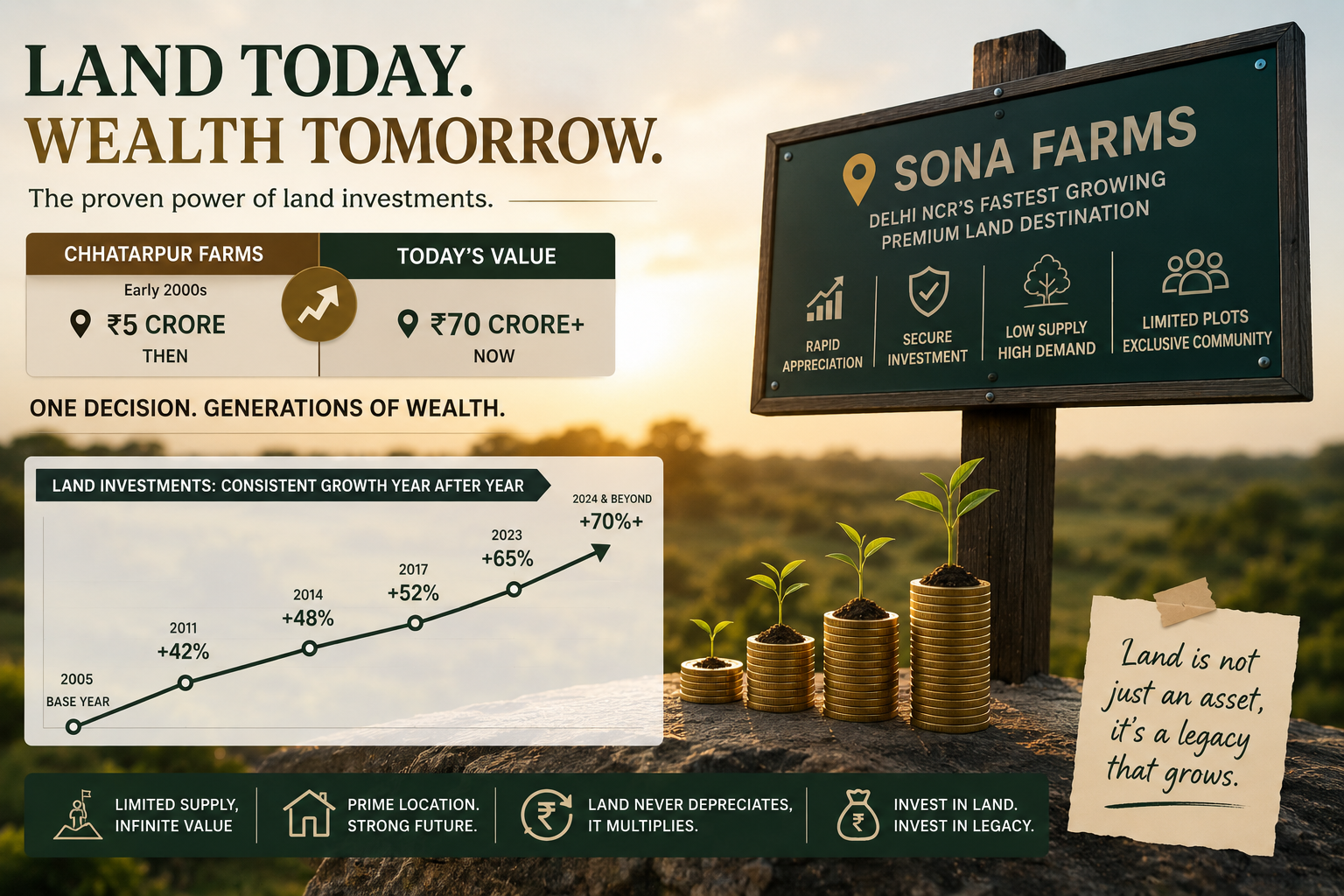
The ₹5 Crore Land Purchase That Became Worth ₹70 Crore
What the Story of DLF Chhatarpur Farms Reveals About Wealth Creation Through Premium Land Ownership
One short email. Stories you can use.
A free, occasional email from our editorial team with our latest features, explainers and reads. Unsubscribe any time — your email stays with us.