Influencer Capital: Europe's Brands Navigate the Shifting Tides of Digital Trust
European retailers and consumer brands are increasingly integrating content creators into their sales strategies, moving beyond traditional advertising to cultivate more authentic consumer connections amidst a fragmented digital landscape.

When a German-speaking lifestyle influencer showcases a new fashion collection from Zalando, or a French gaming personality reviews a niche electronic product available on Cdiscount, the interaction represents a deeper strategic pivot than mere endorsement. These engagements are transforming how European consumers discover and purchase goods, shifting significant marketing budgets from conventional channels towards individuals whose digital presence now commands considerable commercial power.
The trajectory of creator commerce across the continent reflects a broader re-evaluation of digital marketing effectiveness. Unlike the more established influencer ecosystems in North America or Asia, Europe presents a unique tapestry of linguistic, cultural, and regulatory nuances, demanding a localised yet scalable approach for brands aiming for pan-European reach.
The Evolution of Engagement Metrics
Historically, brands measured influence by audience size. However, the current emphasis has shifted towards engagement rates, conversion data, and the intrinsic trust a creator has built with their specific community. A smaller, highly engaged following, often referred to as a 'micro-influencer' cohort, can frequently outperform mega-influencers in terms of genuine sales impact. This granular approach is particularly evident in sectors like beauty and personal care, where authentic product demonstration resonates strongly.
Polish e-commerce giant Allegro, for instance, has observed distinct purchasing patterns driven by local creators, particularly within its home and electronics categories. Similarly, Bol.com in the Benelux region leverages creators to demonstrate product utility, from home improvement tools to children's toys, cultivating a more relatable connection than professional advertising might achieve. The rise of live shopping events, though nascent compared to Asian markets, also presents a frontier where creators can directly drive instantaneous sales.
The transition from awareness to direct conversion within creator-driven campaigns signals a maturing market, where content is not just a discovery tool but a direct conduit to transactions.
This shift extends beyond pure e-commerce platforms. Established grocery retailers like Carrefour in France or REWE and Lidl in Germany are experimenting with recipe creators and lifestyle influencers to promote private-label goods and fresh produce, aiming to integrate their physical store offerings with digital discovery. The legacy quick-commerce players, such as the remnants of Gorillas or Flink, pioneered models where instant gratification was amplified by targeted, geographically specific influencer pushes, though their long-term viability remains a subject of continued analysis.
Cross-Border Opportunities and Challenges
While the European Union offers a theoretical single market, the practicalities of creator commerce remain largely fractured by national borders and linguistic divisions. A Spanish fashion influencer, for example, typically holds limited sway over consumers in Sweden. This necessitates sophisticated strategies for brands like Vinted, which relies heavily on peer-to-peer recommendation and community building, to develop localised creator networks across Italy, France, Germany, and beyond, often managing campaigns in multiple languages concurrently.
Navigating diverse consumer protection laws, particularly regarding disclosure of paid partnerships, adds layers of complexity for brands operating across multiple EU member states. Standardisation efforts are ongoing, but significant discrepancies persist. Despite these hurdles, the projected double-digit growth in creator commerce spending across Europe, reaching an estimated €8-10 billion annually within the next three years, underscores its undeniable strategic importance for brands seeking to maintain relevance in a perpetually evolving digital marketplace.
The ongoing evolution in consumer attention and purchasing habits necessitates continuous adaptation from brands and platforms alike, as the influence economy continues to reshape the commercial landscape.
News Legacy maintains editorial independence. Some recommendations may contain affiliate links. We earn from qualifying purchases at no additional cost to you. Read our policy.
Read Next

Is Sohna Really the Next Chhatarpur?
Three decades after Chhatarpur redrew South Delhi's map for space, privacy and exclusivity, a familiar pattern is now taking shape further south, and Sohna is where the smart money is beginning to look.
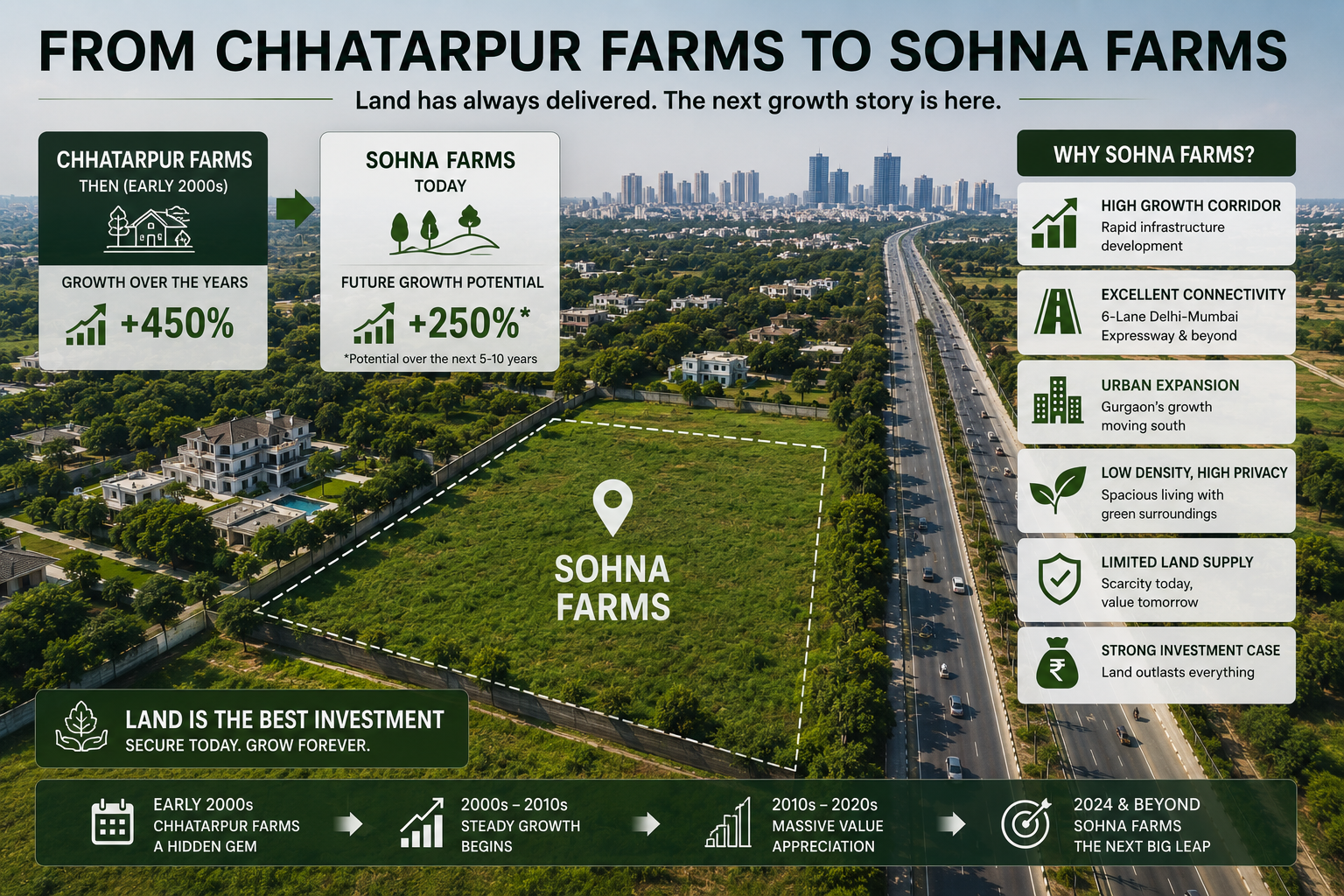
How Chhatarpur Farmhouses Created Multi-Crore Wealth for Early Buyers
What a quiet corner of South Delhi can teach investors about land, scarcity, and long-term wealth creation.
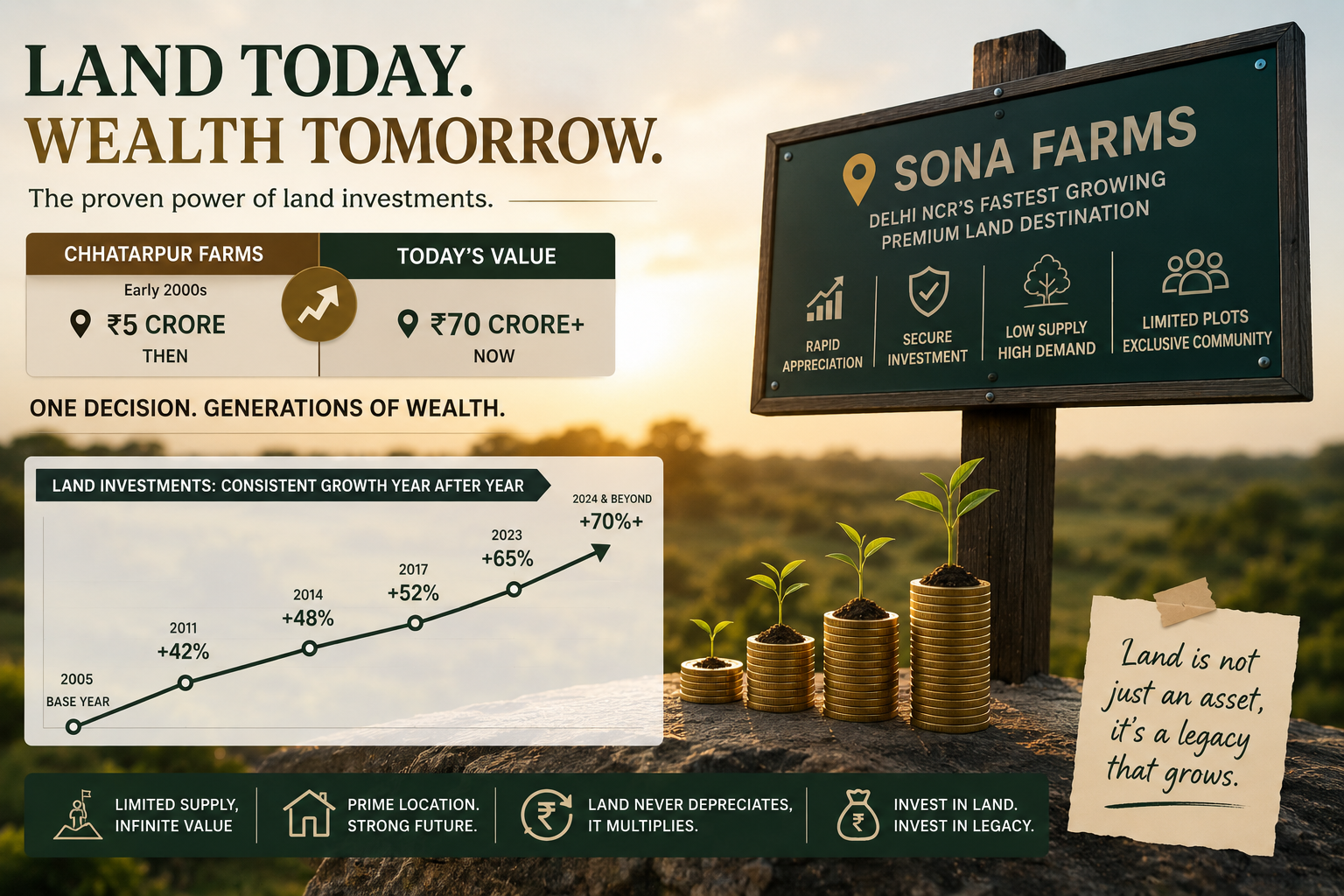
The ₹5 Crore Land Purchase That Became Worth ₹70 Crore
What the Story of DLF Chhatarpur Farms Reveals About Wealth Creation Through Premium Land Ownership
One short email. Stories you can use.
A free, occasional email from our editorial team with our latest features, explainers and reads. Unsubscribe any time — your email stays with us.