Instacart vs DoorDash: Who Is Actually Winning U.S. Grocery Delivery?
Two very different companies are converging on the same prize — the recurring grocery basket. The leaderboard is closer than headlines suggest, and the economics are finally improving.
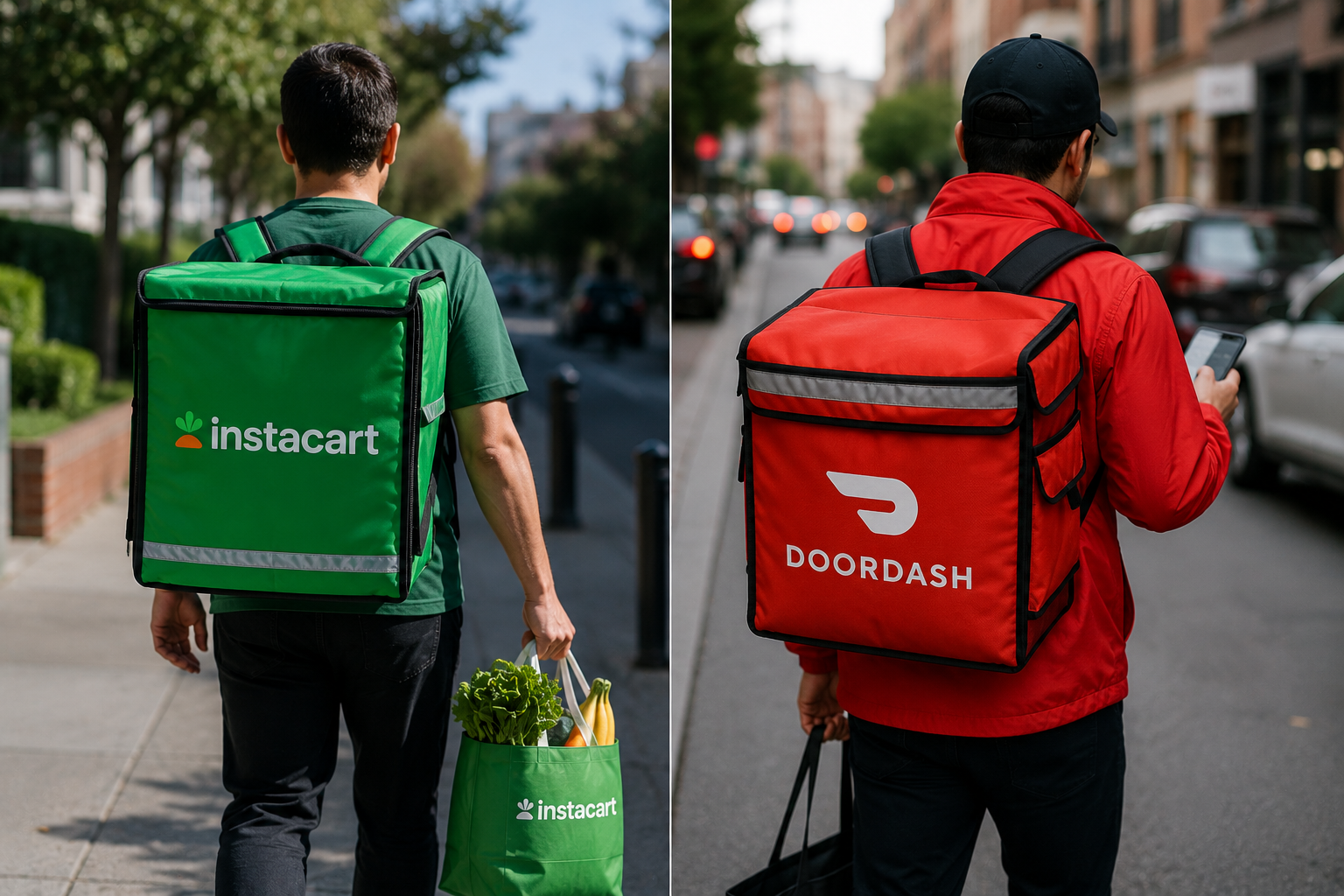
American grocery delivery has matured into a two-rail market. Instacart, the original third-party grocery aggregator, still leads in baskets fulfilled from large national and regional chains. DoorDash, which entered the category later through partnerships with Albertsons, Aldi, Sprouts, Wegmans and a long tail of independents, has grown grocery and convenience faster than any other U.S. delivery platform for three consecutive years.
Two very different operating models Instacart built its business around a deep retailer integration model. The company plugs into store inventory systems, runs in-store shoppers, and operates retailer-branded storefronts under names customers recognise. DoorDash extended its restaurant-delivery network into grocery and convenience, leaning on the existing Dasher fleet, the DashPass subscription and the consumer habit of opening a single app for both meals and groceries.
Where Instacart still leads Instacart's advantage is depth. The company's relationships with Kroger, Costco, Publix, Wegmans and Sam's Club give it access to baskets that DoorDash cannot fully replicate. Instacart Ads has quietly become one of the largest retail-media networks outside Amazon and Walmart, generating high-margin revenue from CPG brands chasing in-basket placement. The Caper smart-cart business and the broader retailer-tech stack add an enterprise software layer that pure delivery platforms lack.
Where DoorDash is gaining ground DoorDash's advantage is breadth and frequency. DashPass households increasingly use the app for everything from a Friday-night meal to a Tuesday-morning grocery top-up, and the company's convenience and alcohol businesses have grown faster than analysts expected. The acquisition of Wolt extended the model across Europe, giving DoorDash a global delivery footprint that Instacart does not have.
The economics are finally improving Both companies are running materially better unit economics than they did three years ago. Higher ad revenue, larger basket sizes, more efficient batching algorithms and disciplined promotional spending have moved the category from cash-burn to consistent profitability for the leaders. The smaller players — Shipt, Gopuff in its current form, regional grocer-owned apps — are increasingly squeezed.
The U.S. grocery delivery race is no longer about who can grow fastest. It is about who can compound retail-media revenue on top of a profitable delivery base.
Subscription is the quiet battleground Instacart+ and DashPass are converging on a similar promise: free delivery, reduced service fees and member-only pricing. The lifetime value of a subscriber to either platform now dwarfs that of an ad-hoc user, and both companies are investing accordingly in retention mechanics, partner perks and bundled benefits.
What to watch next Expect more retailer exclusivity deals, deeper integration with retail-media measurement, continued consolidation of smaller delivery apps and a slow shift toward agentic ordering as AI assistants begin to place recurring grocery baskets on behalf of households. The leaderboard is genuinely close — and for the first time, both leaders are profitable enough to fight on terms other than price.
News Legacy maintains editorial independence. Some recommendations may contain affiliate links. We earn from qualifying purchases at no additional cost to you. Read our policy.
Read Next
The American Grocery Arms Race: Inside Instacart, DoorDash and Uber Eats' Convergence Play
Three platforms that started in different lanes are now competing for the same customer, the same basket and the same advertising dollar.
After Gorillas and Getir: What Europe's Quick Commerce Survivors Are Building
The hype cycle is over. Flink, Wolt and a quieter cohort of national operators are defining what rapid grocery in Europe actually looks like at scale.
Deliveroo and Just Eat Are No Longer Restaurant Apps — They Are Last-Mile Networks
The British food-delivery platforms are quietly building grocery, retail and convenience businesses that may end up larger than the categories they were founded on.
One short email. Stories you can use.
A free, occasional email from our editorial team with our latest features, explainers and reads. Unsubscribe any time — your email stays with us.