Last-Mile Compression: Retailers Confront the Shrinking Delivery Window
The consumer expectation for immediate gratification is forcing a radical restructuring of logistics networks, transforming once-profitable delivery models into increasingly complex and costly operations. Companies are navigating a narrow path between speed and financial sustainability.

At a fulfillment center outside Cincinnati, an autonomous mobile robot navigates aisles stacked with packages destined for same-day delivery. This scene, increasingly common across the United States, exemplifies a critical challenge for retailers: the relentless compression of the 'last mile.' What began with Amazon Prime’s two-day shipping standard has evolved into an expectation for orders to arrive within hours, reshaping operational strategies and financial forecasts for businesses of all sizes.
This shift is not merely about speed; it is fundamentally altering the economics of retail. Consumers, particularly in urban and suburban areas, now consider rapid delivery a baseline service, not a premium offering. This expectation has intensified competition among established giants like Walmart and Target, and agile newcomers such as various quick-commerce apps.
The sheer volume of individual, smaller shipments originating from a wider array of points – from traditional warehouses to local grocery stores – has introduced unprecedented complexity. Each rapid delivery journey incurs costs related to labor, fuel, and specialized infrastructure, often disproportionately high relative to the order value. Profitability margins, already thin in many retail sectors, are being further squeezed.
The Cost of Convenience
Walmart's investments in automated fulfillment centers and drone delivery trials, or Target's acquisition of Shipt for same-day delivery, illustrate the capital expenditure required to meet these demands. These strategies aim to reduce manual sorting and improve routing efficiency, but the underlying challenge remains: moving single items across often congested urban landscapes swiftly and affordably. Instacart’s widespread network of personal shoppers, for example, leverages existing infrastructure but still incurs significant operational overhead in managing a distributed workforce.
The financial implications are substantial. For instance, delivering a single $20 grocery order within an hour can easily cost a retailer upwards of $10 in logistics and labor, often requiring a substantial service fee or subscription model to mitigate losses. Even with membership programs like Amazon Prime, which generated an estimated $35 billion in subscription revenue in 2023, the actual delivery costs for individual expedited orders often exceed the revenue directly attributable to that specific transaction.
The race for immediate delivery presents an intricate paradox: consumer satisfaction rises, but the financial viability for many retailers diminishes unless substantial efficiencies or scale advantages can be achieved.
Adapting to Local Demand
Many companies are experimenting with 'store-as-fulfillment-center' models. Costco, for instance, offers same-day delivery from its warehouses through third-party partners, effectively transforming its large-format stores into local distribution hubs. Shopify, too, is enabling its merchant network to leverage localized inventory for faster shipping, bridging the gap between direct-to-consumer brands and immediate gratification.
The burgeoning presence of TikTok Shop in the US, alongside other social commerce platforms, further emphasizes this trend. These platforms incentivize rapid fulfillment to convert impulse purchases, implicitly demanding robust, localized logistics capabilities from their sellers. This exerts additional pressure on the logistics ecosystem to handle a diverse array of small packages originating from countless sellers, all under tight deadlines.
Ultimately, the evolution of the last mile will distinguish market leaders from those unable to adapt. The equilibrium between consumer expectations and sustainable operational models is still being sought. Success will likely depend on innovative technological adoption, strategic urban network design, and a willingness to continually redefine the cost structure of convenience.
News Legacy maintains editorial independence. Some recommendations may contain affiliate links. We earn from qualifying purchases at no additional cost to you. Read our policy.
Read Next
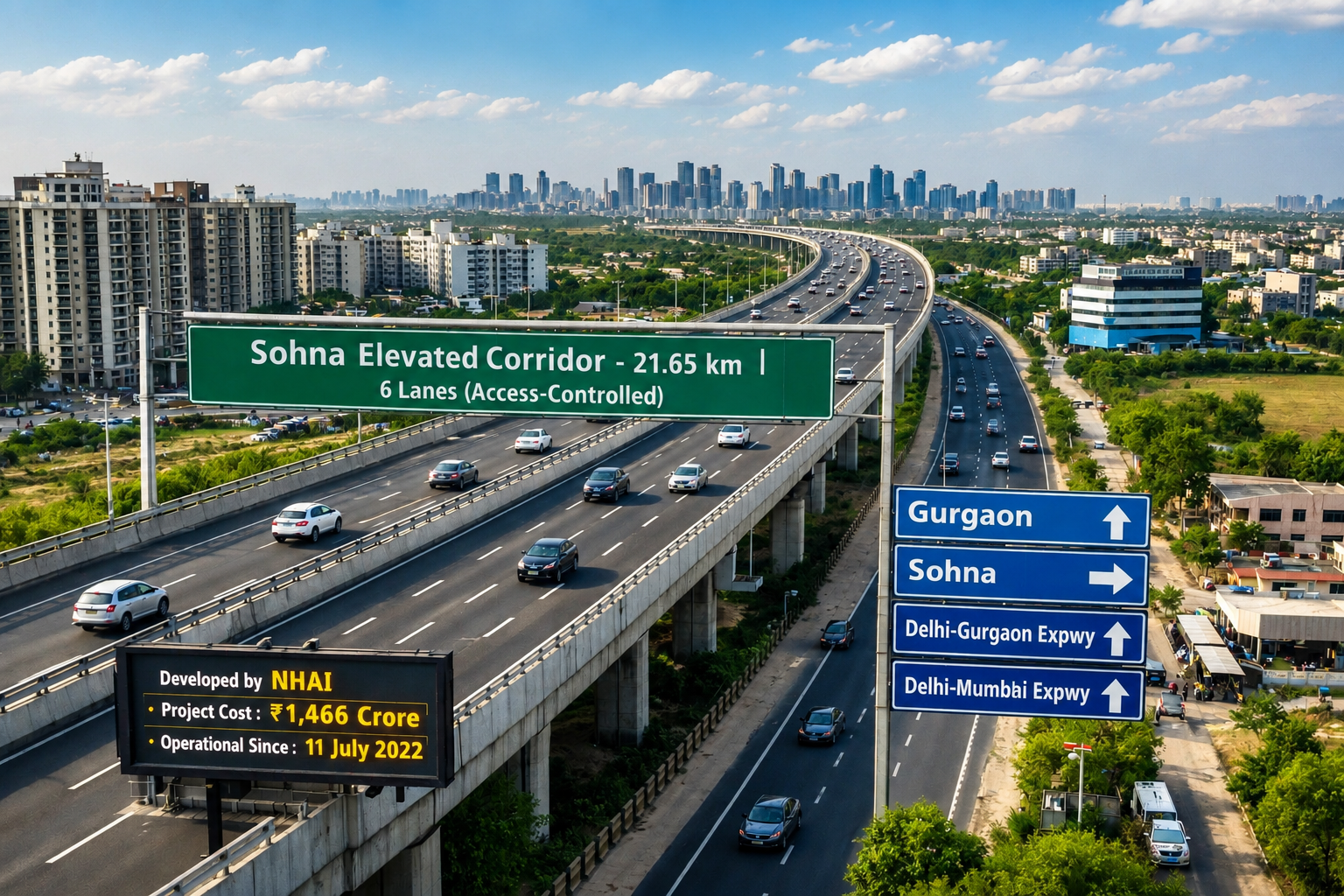
Is Sohna Really the Next Chhatarpur?
Three decades after Chhatarpur redrew South Delhi's map for space, privacy and exclusivity, a familiar pattern is now taking shape further south, and Sohna is where the smart money is beginning to look.
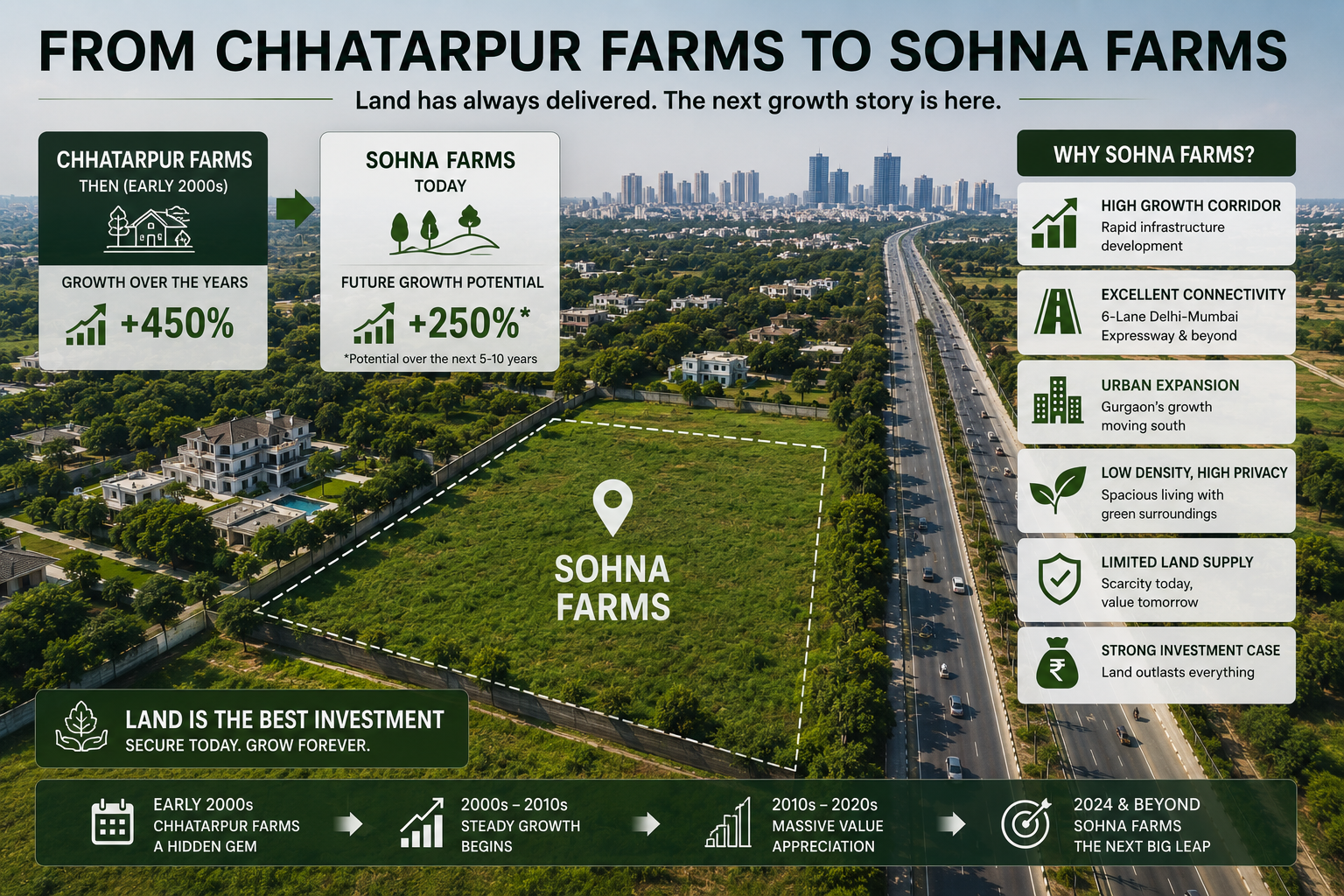
How Chhatarpur Farmhouses Created Multi-Crore Wealth for Early Buyers
What a quiet corner of South Delhi can teach investors about land, scarcity, and long-term wealth creation.
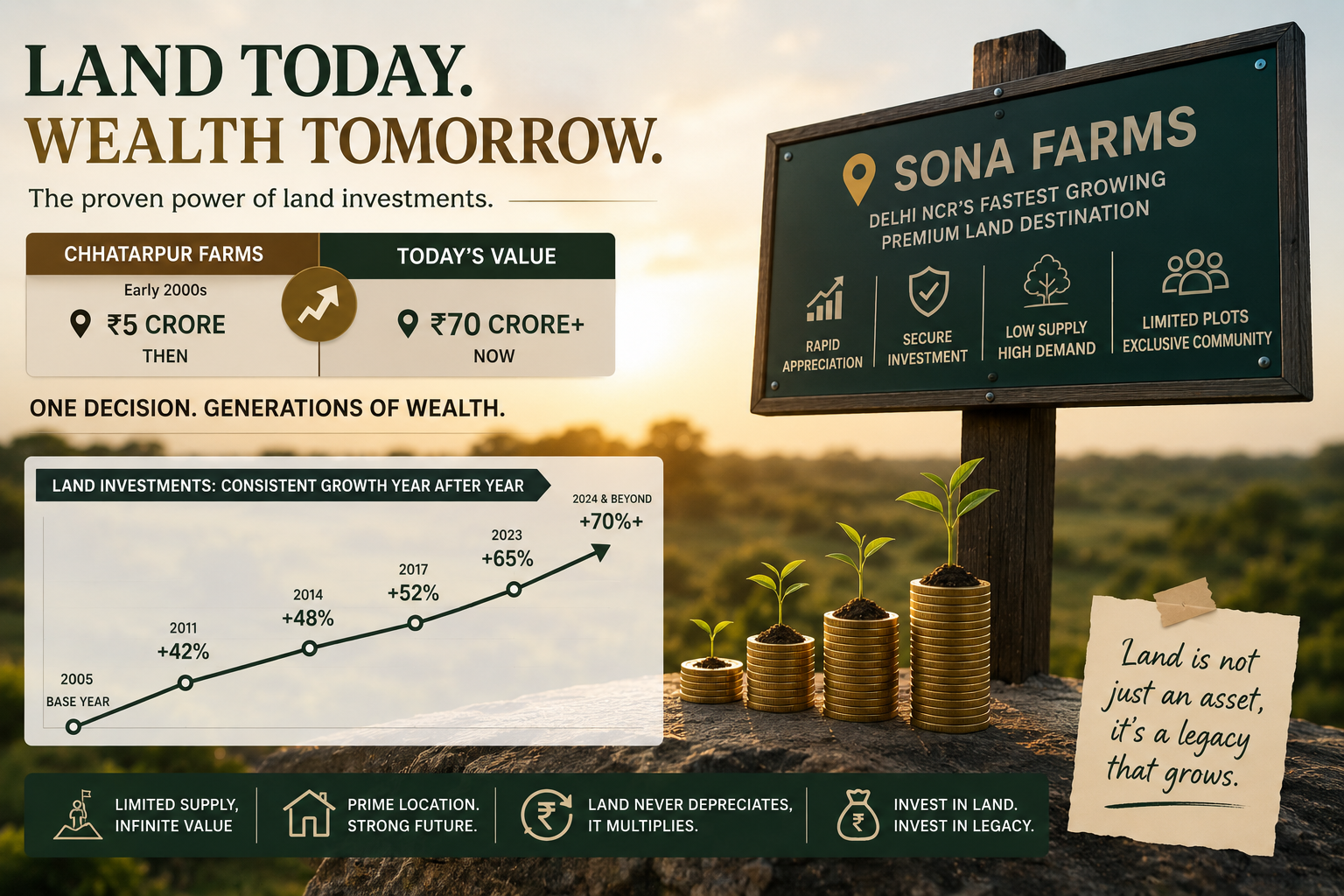
The ₹5 Crore Land Purchase That Became Worth ₹70 Crore
What the Story of DLF Chhatarpur Farms Reveals About Wealth Creation Through Premium Land Ownership
One short email. Stories you can use.
A free, occasional email from our editorial team with our latest features, explainers and reads. Unsubscribe any time — your email stays with us.