Last-Mile Delivery's European Choke Point: Consolidation and Contention
Across Europe, the promise of rapid e-commerce delivery collides with urban realities and operational costs, driving a new wave of strategic realignments among logistics providers and retailers.

In a bustling distribution centre just outside Warsaw, rows of autonomous mobile robots shuttle parcels destined for Allegro customers across Poland and beyond. This sophisticated automation, mirrored in facilities serving Zalando in Germany and Cdiscount in France, underscores the deep investments made by e-commerce giants to meet escalating consumer expectations for speed. Yet, the final leg of this journey, the so-called 'last mile', increasingly represents a complex challenge, exposing vulnerabilities in a sector grappling with soaring operational costs and intensifying competition.
The European last-mile landscape, a fragmented mosaic of national postal services, established couriers, and agile start-ups, is undergoing a profound transformation. While companies like the now-defunct Gorillas and Flink initially captivated investors with promises of ultra-fast grocery delivery, their rapid expansion encountered economic headwinds, demonstrating the unforgiving unit economics of dense urban fulfilment. The subsequent retrenchment and consolidation efforts highlight the immense capital and operational expertise required to scale profitably in this space.
The Cost of Convenience
Operating a last-mile network across diverse European geographies involves navigating disparate labour laws, urban planning regulations, and consumer preferences. In Paris, scooter deliveries face increasing restrictions, while in Stockholm, bicycle couriers navigate dedicated infrastructure. Fuel costs, urban access charges, and the persistent shortage of delivery personnel further inflate expenses. For a retailer like Bol.com, serving the Netherlands and Belgium, optimising delivery routes and managing returns efficiently directly impacts its bottom line, often by margins measured in fractions of a euro per parcel.
The pressure on carriers to deliver faster, often within defined time windows, also contributes to inefficiencies. Van utilisation rates can be suboptimal, particularly during off-peak hours or in less densely populated areas. This dynamic compels a re-evaluation of delivery models, moving beyond simple hub-and-spoke networks towards more sophisticated micro-fulfilment centres and pick-up point strategies.
Traditional retailers, including Carrefour and REWE, are leveraging their extensive store networks as strategic assets for click-and-collect services and local fulfilment hubs. This hybrid model allows them to mitigate some of the last-mile challenges faced by pure-play e-commerce firms. Lidl, for example, explores various in-store and dark-store solutions to support its growing online grocery presence in several markets, capitalising on existing real estate and supply chain infrastructure.
The economics of truly sustainable last-mile delivery demand an integration of physical infrastructure, advanced analytics, and flexible labour models that few companies have perfected.
Cross-Border Complexities and Market Fragmentation
Cross-border e-commerce, a significant growth driver for platforms like Zalando and marketplaces such as Vinted, introduces another layer of logistical complexity. A parcel travelling from a German warehouse to a customer in southern Spain might traverse multiple national carriers or domestic networks, each with its own pricing structure, service level agreements, and tracking systems. This fragmentation can lead to inconsistent delivery times and higher costs for consumers and businesses alike.
The Nordics, characterised by lower population densities and higher labour costs, often see different last-mile solutions, including extensive use of parcel lockers and collaboration between postal services. Conversely, densely populated regions in Italy and France demand more on-demand and bespoke delivery options. This diversity underscores the impracticality of a single, monolithic European last-mile strategy, instead favouring adaptable, localised approaches.
As the e-commerce penetration continues its upward trajectory across the continent, particularly in southern and eastern European markets, the last-mile sector will remain a focal point for investment and innovation. The ability to manage these complex logistical challenges effectively will differentiate market leaders and determine the ultimate profitability of online retail in Europe.
News Legacy maintains editorial independence. Some recommendations may contain affiliate links. We earn from qualifying purchases at no additional cost to you. Read our policy.
Read Next
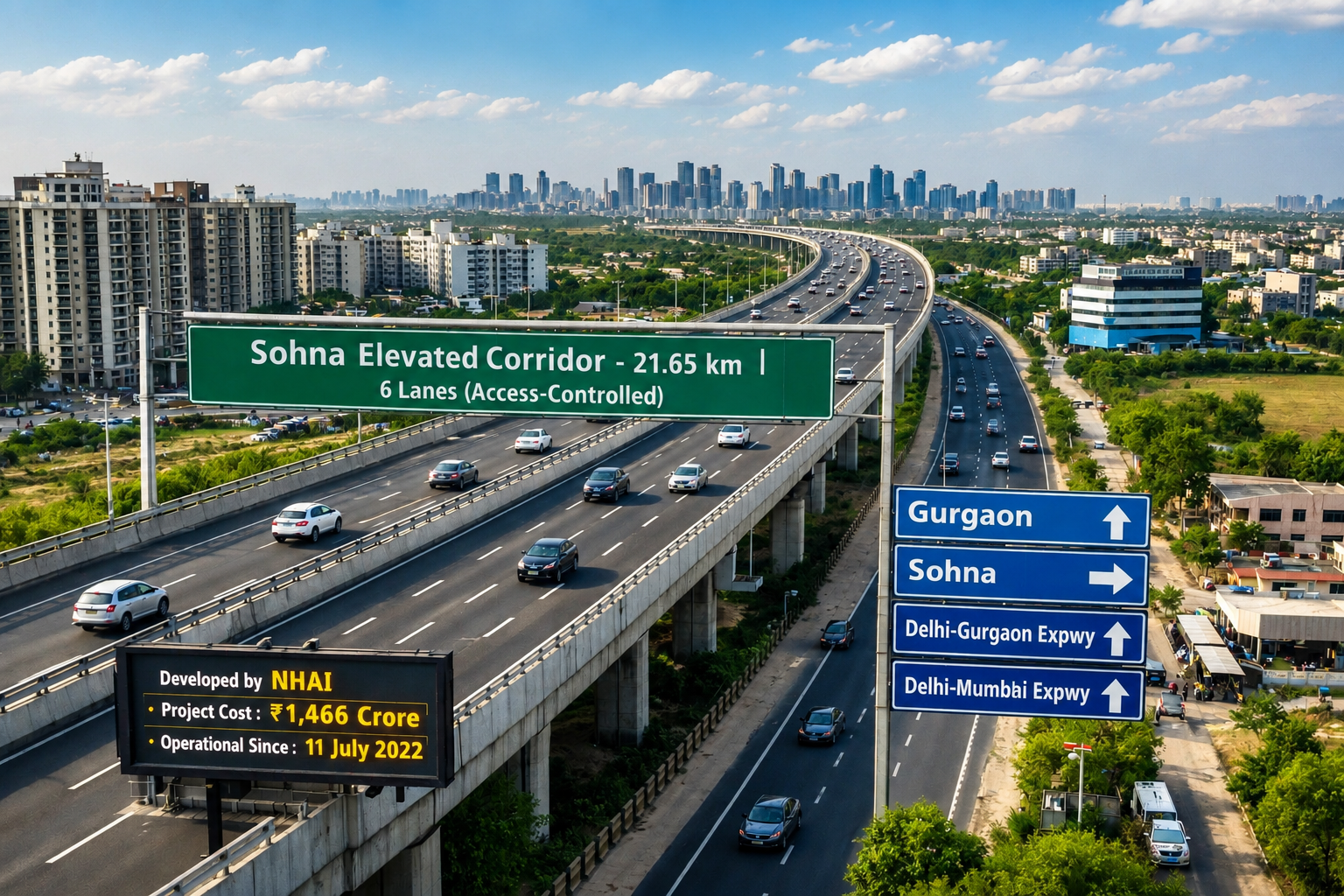
Is Sohna Really the Next Chhatarpur?
Three decades after Chhatarpur redrew South Delhi's map for space, privacy and exclusivity, a familiar pattern is now taking shape further south, and Sohna is where the smart money is beginning to look.
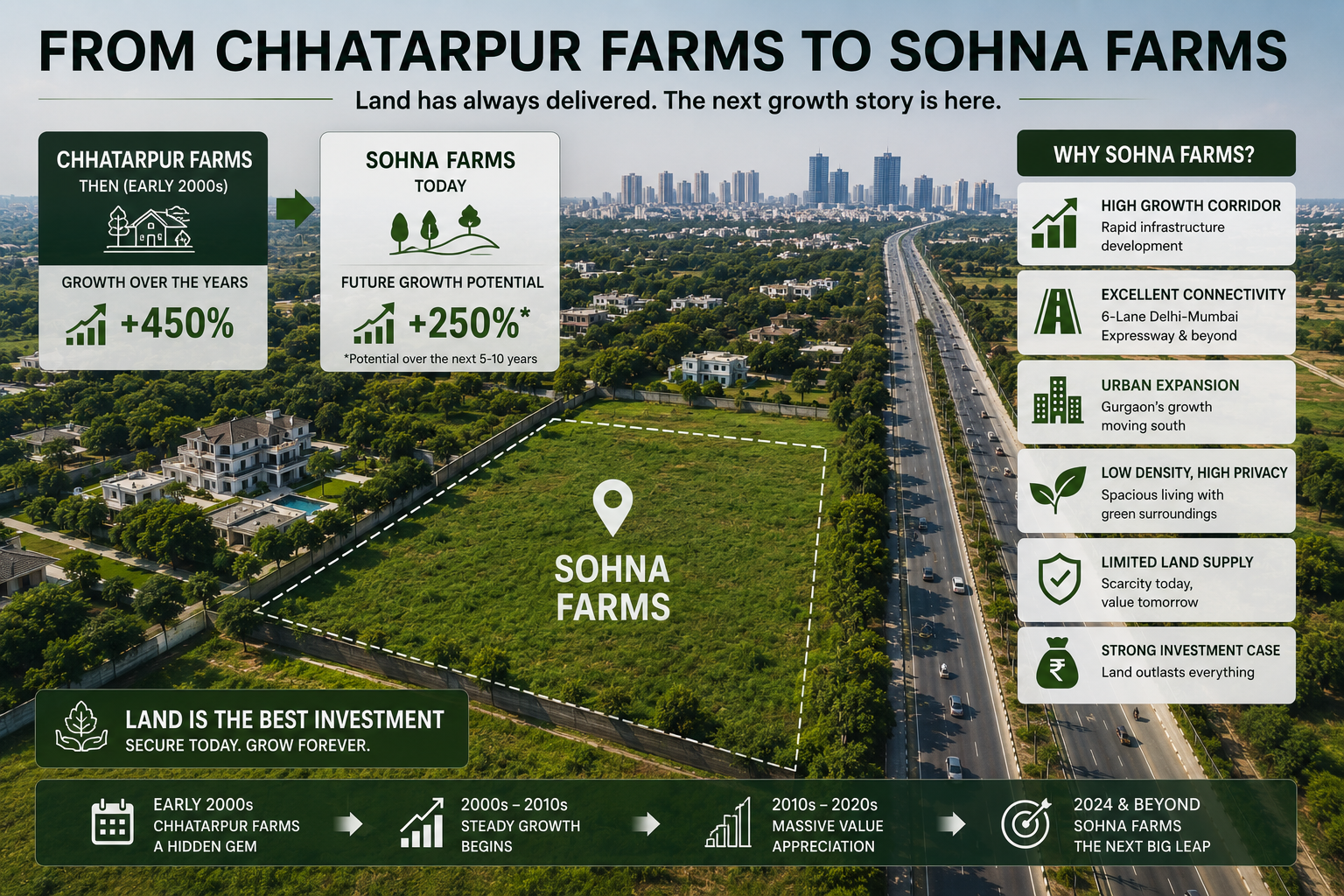
How Chhatarpur Farmhouses Created Multi-Crore Wealth for Early Buyers
What a quiet corner of South Delhi can teach investors about land, scarcity, and long-term wealth creation.
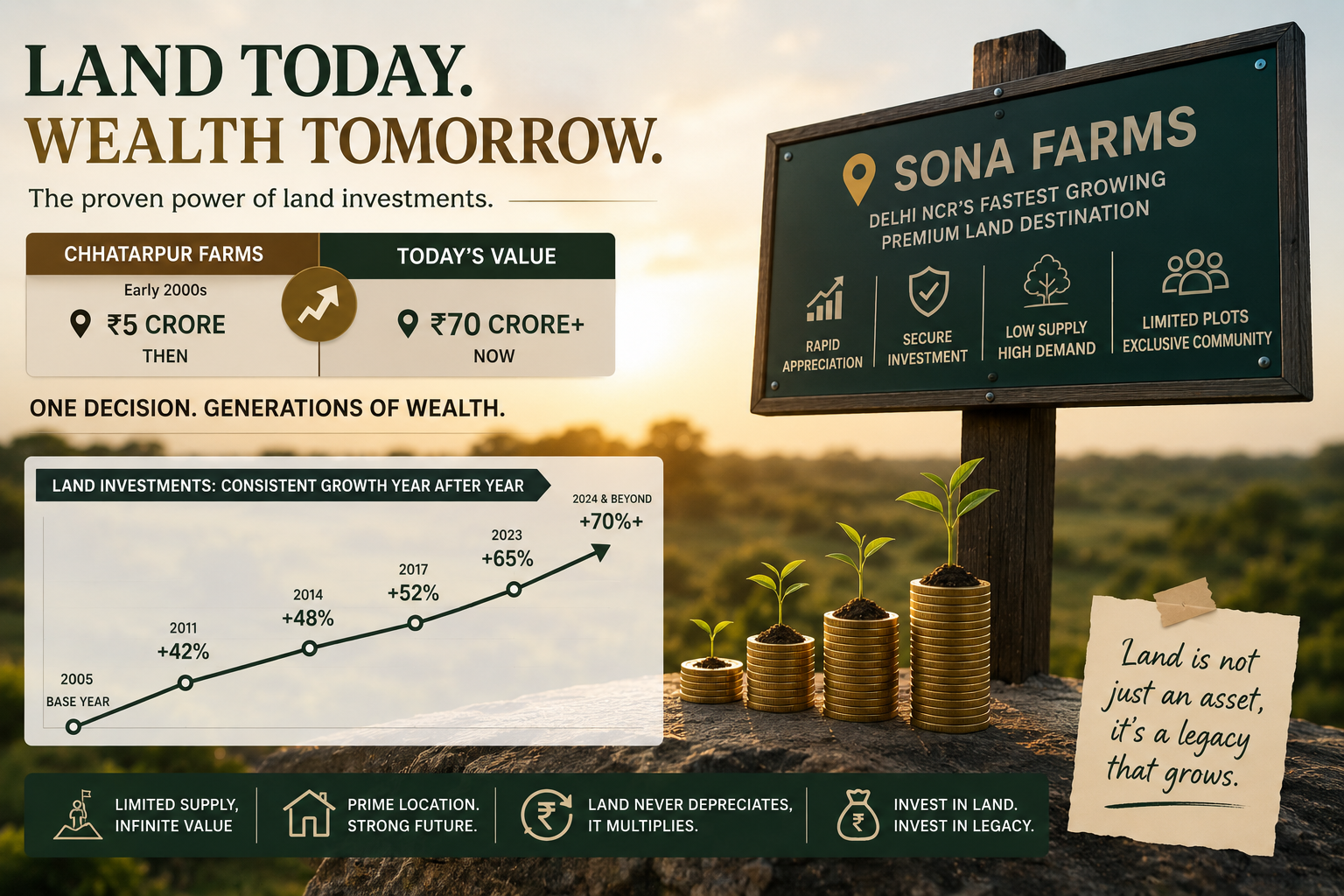
The ₹5 Crore Land Purchase That Became Worth ₹70 Crore
What the Story of DLF Chhatarpur Farms Reveals About Wealth Creation Through Premium Land Ownership
One short email. Stories you can use.
A free, occasional email from our editorial team with our latest features, explainers and reads. Unsubscribe any time — your email stays with us.