Last-Mile Delivery's European Churn: A Tightening Grid for E-commerce
The European landscape for e-commerce fulfilment is undergoing significant consolidation and strategic realignment, driven by escalating operational costs and the imperative for cross-border efficiency. Businesses are recalibrating their logistics networks amidst persistent economic pressures and evolving consumer expectations.

Even as Zalando reported a return to profitability in its most recent fiscal period, the underlying challenges of pan-European logistics persist, particularly in the critical final leg of delivery. The sophisticated networks required to move apparel from warehouses to individual doorsteps across disparate national markets represent a significant operational burden, directly impacting margins even for established players. This complexity is not unique to fashion; it is a systemic friction points for nearly all digital commerce operators targeting the continent.
The sheer fragmentation of regulations, labour markets, and consumer preferences across the European Union, coupled with the varied geographical densities from the dense urban centres of Germany to the sprawling rural areas of France or Spain, means that a 'one-size-fits-all' logistics strategy is untenable. Companies like Allegro, dominant in Poland, face a distinct set of infrastructural and demographic considerations when contemplating expansion into Western European markets, different from the challenges Cdiscount navigates within France.
The Pressure on Fulfilment Providers
The euphoria surrounding rapid grocery delivery, exemplified by the substantial capital deployed into Gorillas and Flink in recent years, has largely dissipated. Both entities, among others, have undergone significant restructuring, with Gorillas effectively absorbed into Getir. This market correction highlights the unsustainability of aggressive last-mile expansion without clear paths to profitability, especially in an environment where venture capital has become more discerning. Operating costs for such models were profoundly underestimated, from rider wages to micro-fulfilment centre rents in prime urban locations.
Established retailers are not immune to these pressures. Supermarket chains such as Carrefour and REWE are investing heavily in their own distribution capabilities or forging strategic alliances, recognising that third-party logistics (3PL) providers often struggle to meet the precise demands for fresh produce or temperature-controlled goods without incurring prohibitive costs. This internalisation or deep partnership approach seeks to mitigate risks associated with reliance on an external, often commoditised, service.
A notable trend emerging across the EU is the strategic investment in or acquisition of logistics assets. This move aims to secure capacity and exert greater control over the supply chain. Instead of solely outsourcing, some large e-commerce firms are integrating warehousing, sorting, and even elements of the final delivery process, thereby attempting to capture greater value and enhance service quality.
Cross-Border Complexities and Returns
The allure of a single European market for consumers often masks the intricate logistics beneath. A customer in Italy ordering from a retailer headquartered in the Netherlands via a platform like Bol.com invokes a complex chain of cross-border customs declarations, varying VAT regulations, and multiple carrier handovers. This is further complicated by the significant volume of returns, a particular challenge for categories such as apparel, where return rates can exceed 30 percent. Managing these reverse logistics flows across borders adds substantial expense and environmental footprint.
The enduring challenge for European e-commerce is not merely moving goods, but doing so profitably and sustainably across a patchwork of national operational realities.
Platforms dedicated to recommerce, such as Vinted, also grapple with these cross-border dynamics, although their often lower price points and less time-sensitive delivery windows allow for different logistical compromises. The secondary market, while growing, still relies on cost-effective, albeit sometimes slower, postal and parcel networks that can navigate diverse national infrastructures.
Looking forward, the sector anticipates further consolidation among logistics providers, driven by the need for economies of scale and advanced technological integration. Firms that can offer genuinely pan-European, multimodal solutions, incorporating everything from port services to final-mile electric vehicle fleets, will gain a significant competitive advantage. The focus has shifted definitively from rapid expansion at any cost to achieving sustainable, efficient, and resilient supply chains capable of navigating economic uncertainties and evolving regulatory landscapes across the continent.
News Legacy maintains editorial independence. Some recommendations may contain affiliate links. We earn from qualifying purchases at no additional cost to you. Read our policy.
Read Next
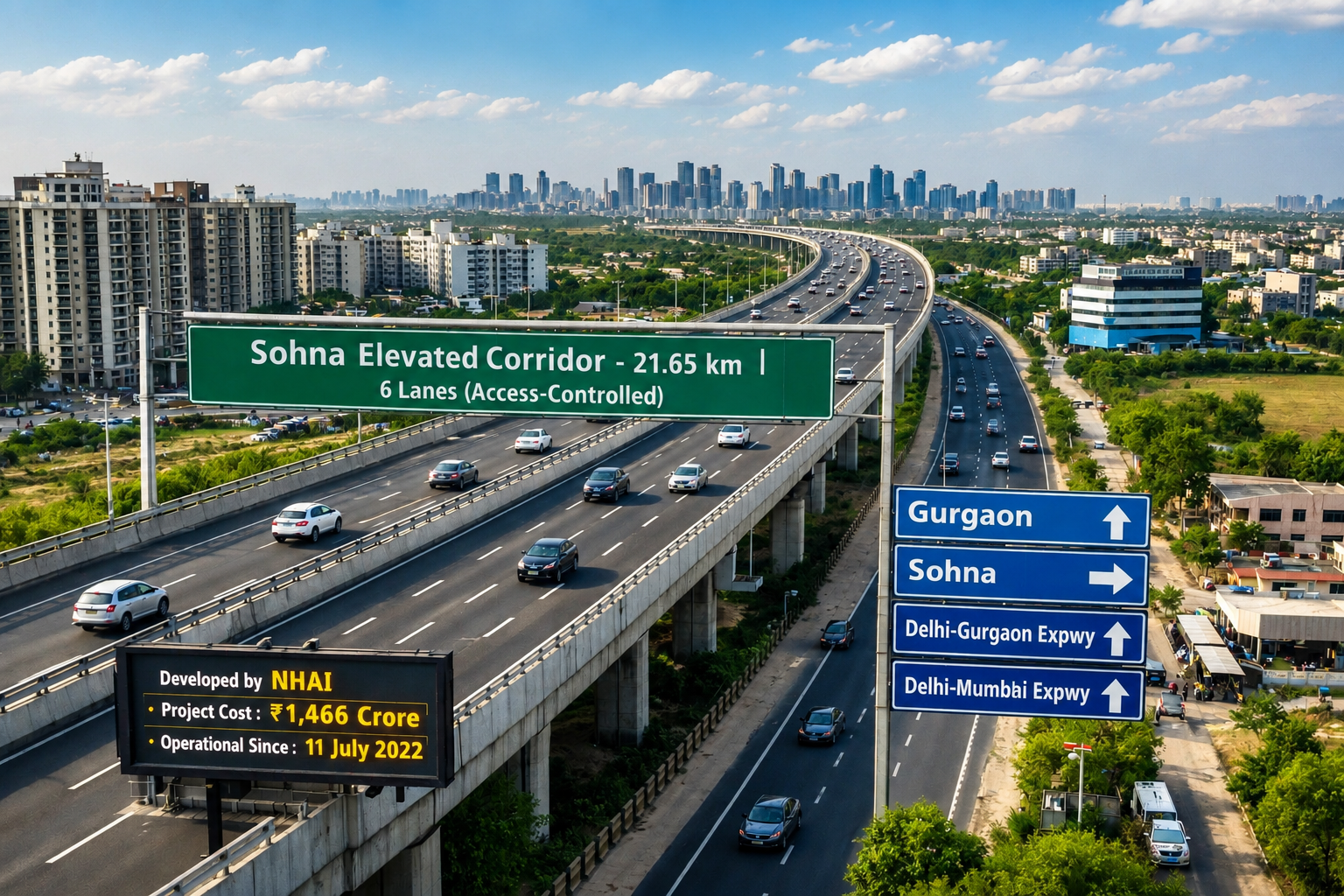
Is Sohna Really the Next Chhatarpur?
Three decades after Chhatarpur redrew South Delhi's map for space, privacy and exclusivity, a familiar pattern is now taking shape further south, and Sohna is where the smart money is beginning to look.
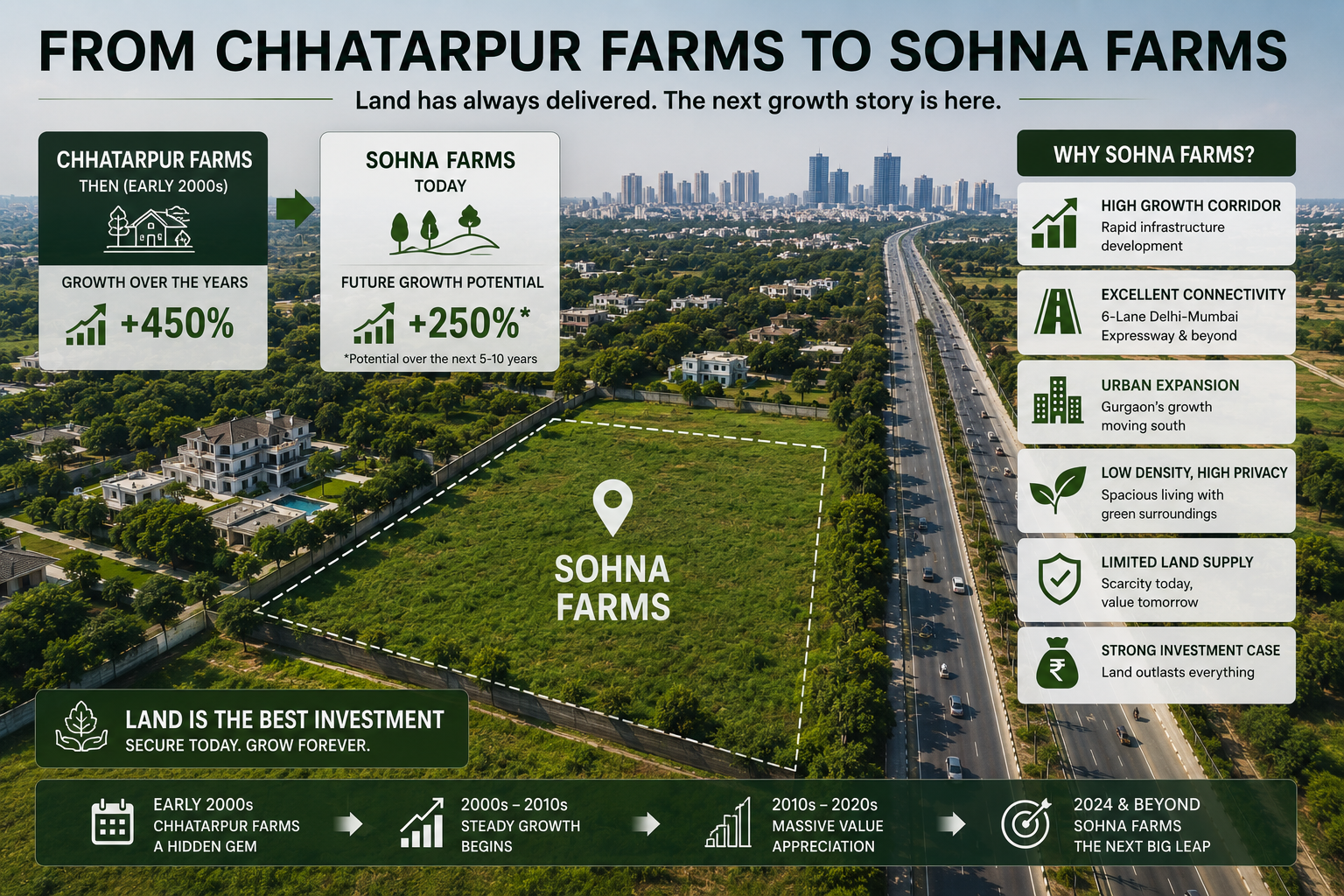
How Chhatarpur Farmhouses Created Multi-Crore Wealth for Early Buyers
What a quiet corner of South Delhi can teach investors about land, scarcity, and long-term wealth creation.

The ₹5 Crore Land Purchase That Became Worth ₹70 Crore
What the Story of DLF Chhatarpur Farms Reveals About Wealth Creation Through Premium Land Ownership
One short email. Stories you can use.
A free, occasional email from our editorial team with our latest features, explainers and reads. Unsubscribe any time — your email stays with us.