Last-Mile Limbo: Europe's E-commerce Giants Rethink Urban Delivery Models
The quest for rapid, cost-effective urban fulfilment is pressuring European e-commerce platforms and grocers to diverge from the capital-intensive models that characterised the recent past, seeking sustainable strategies amid shifting consumer expectations.

The distinctive green and purple livery of Gorillas, once a ubiquitous sight across Berlin and Paris, has largely receded from European cityscapes, its legacy now primarily a case study in the challenges of rapid-delivery economics. Yet even as the venture-backed hyper-speed grocery model consolidates or vanishes, larger, established players like Zalando, Carrefour and Allegro continue to grapple with the complexities of the 'last mile' – the final leg of a product's journey to the consumer's door, which disproportionately dictates cost and customer satisfaction. The imperative for these titans is not merely speed, but scalable efficiency in a fragmented, diverse continental market.
For years, the ambition amongst European e-commerce companies was a straightforward replication of perceived American successes, prioritising expansive, proprietary logistics networks. This often entailed significant investments in distribution centres on city outskirts and fleets of delivery vehicles. However, the varied urban densities, labour regulations, and consumer preferences stretching from the high-rise apartments of Madrid to the historic centres of Rome have made a standardised approach exceptionally difficult to monetise.
The Uneven Playing Field of Urban Logistics
Consider the varied approaches: German retailer REWE, for instance, has cautiously expanded its online grocery offerings, often leveraging existing supermarket infrastructure for click-and-collect or local delivery, rather than building an entirely separate dark store network like many quick-commerce startups. In contrast, pure-play fashion retailer Zalando has invested heavily in its own logistics facilities, such as its hub in Lahr, Germany, but relies on a complex web of third-party carriers for final delivery, balancing control with flexibility. The strategic calculus involves constant re-evaluation of fixed versus variable costs.
The cross-border nature of European e-commerce adds another layer of complexity. A consumer in Poznań ordering from a French clothing brand on Zalando, or a Spanish shopper buying electronics from Allegro via its Mall Group acquisition, expects a consistent delivery experience, regardless of national borders. This necessitates sophisticated routing, customs clearance in non-Schengen zones, and seamless integration with disparate national postal services and private carriers, all while managing return logistics. The cost efficiencies gained in centralised warehousing can quickly be eroded by fragmented last-mile operations.
The enduring challenge for European retail logistics is to transition from a single-market mindset to a truly pan-European infrastructure that can adapt to local nuances without sacrificing economies of scale; a fine balance that few have truly mastered.
Furthermore, the environmental impact of urban logistics has become a significant consideration. Cities like Paris are increasingly restricting petrol-powered vehicle access, pushing retailers towards electric vans, cargo bikes, or even pedestrian delivery models for dense, central areas. This regulatory pressure, while laudable, adds further capital expenditure and operational recalibration to delivery networks already strained by rising fuel prices and labour shortages.
Diversifying Delivery Channels
The outcome is a diversification of delivery strategies. Beyond traditional home delivery, there is a notable resurgence and intelligent integration of click-and-collect points, often leveraging existing retail footprints. Carrefour in France and Lidl in Spain are expanding their locker networks and in-store pick-up options, reducing failed delivery attempts and offering greater convenience for customers who are not always home. Bol.com in the Netherlands, a prominent online general merchandiser, extensively uses PostNL parcel points, knitting its digital service into established physical infrastructure.
The growth of peer-to-peer marketplaces like Vinted also highlights a different logistical calculus. Here, the last mile is largely outsourced to individual sellers and buyers, often utilising national postal services or low-cost parcel networks. While this model greatly reduces the platform's direct logistical burden, it places the onus on the user, trading guaranteed speed for cost efficiency and convenience of drop-off points.
As European e-commerce volumes continue their upward trajectory, albeit at a moderated pace compared to the pandemic peak, the focus is shifting from aggressive expansion at all costs to building resilient, sustainable, and cost-effective last-mile networks. The future likely involves a hybrid approach: strategic use of proprietary assets where volume dictates, combined with agile partnerships with specialised logistics providers, all underpinned by data-driven optimisation to navigate the continent's distinct urban realities.
News Legacy maintains editorial independence. Some recommendations may contain affiliate links. We earn from qualifying purchases at no additional cost to you. Read our policy.
Read Next
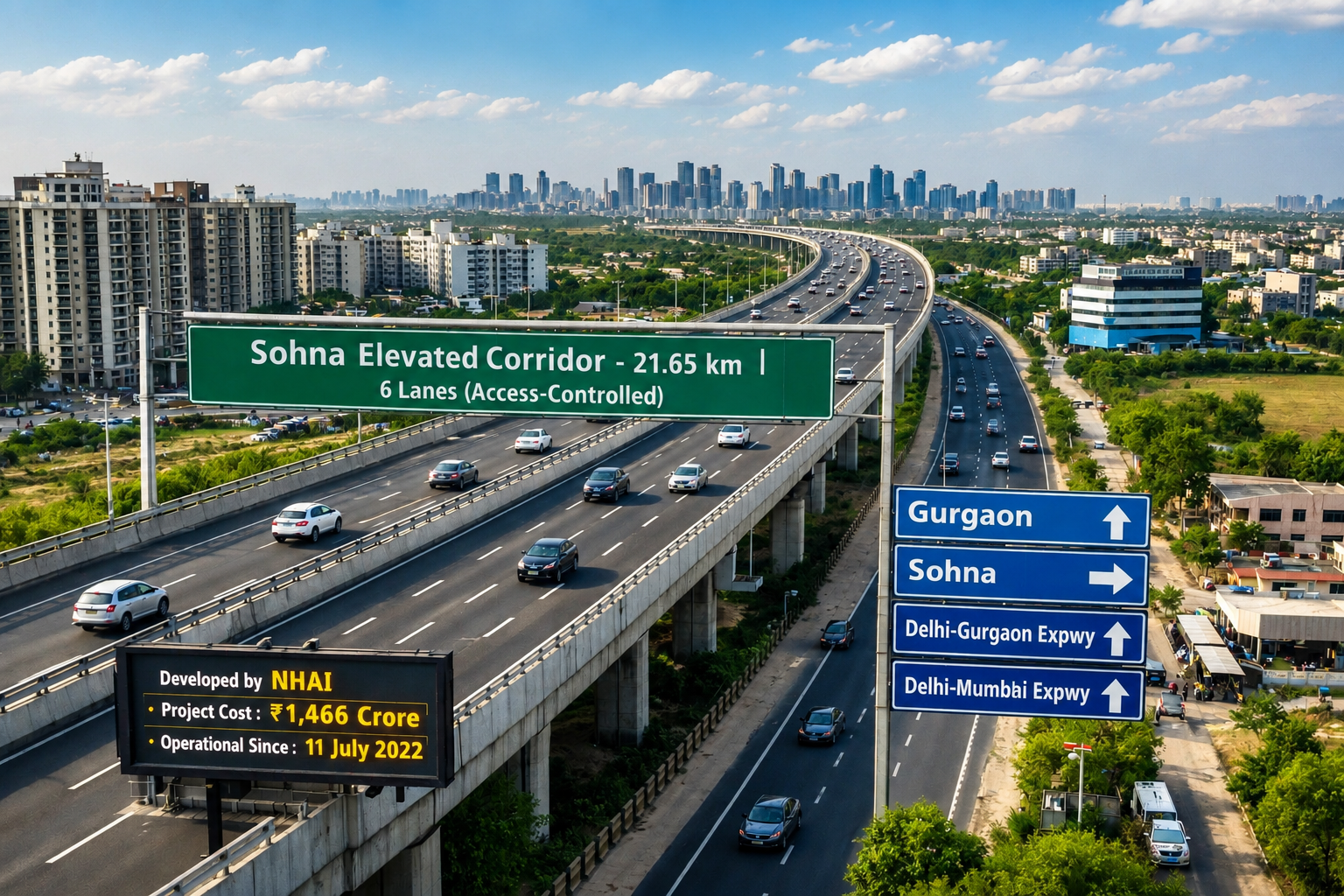
Is Sohna Really the Next Chhatarpur?
Three decades after Chhatarpur redrew South Delhi's map for space, privacy and exclusivity, a familiar pattern is now taking shape further south, and Sohna is where the smart money is beginning to look.

Why India's Wealthiest Families Still Buy Land
In an age of equities, private equity, startups and crypto, one asset class continues to attract the attention of India's wealthiest families, and the reason has less to do with returns than with scarcity.

The Top Ecommerce Niches Quietly Winning the U.S., U.K. and European Markets in 2026
Beauty, athleisure, wellness, pet and resale are no longer trends — they are the operating cores of online retail across the West. Here is where the money is actually moving.
One short email. Stories you can use.
A free, occasional email from our editorial team with our latest features, explainers and reads. Unsubscribe any time — your email stays with us.