Why India's Wealthiest Families Still Buy Land
In an age of equities, private equity, startups and crypto, one asset class continues to attract the attention of India's wealthiest families, and the reason has less to do with returns than with scarcity.
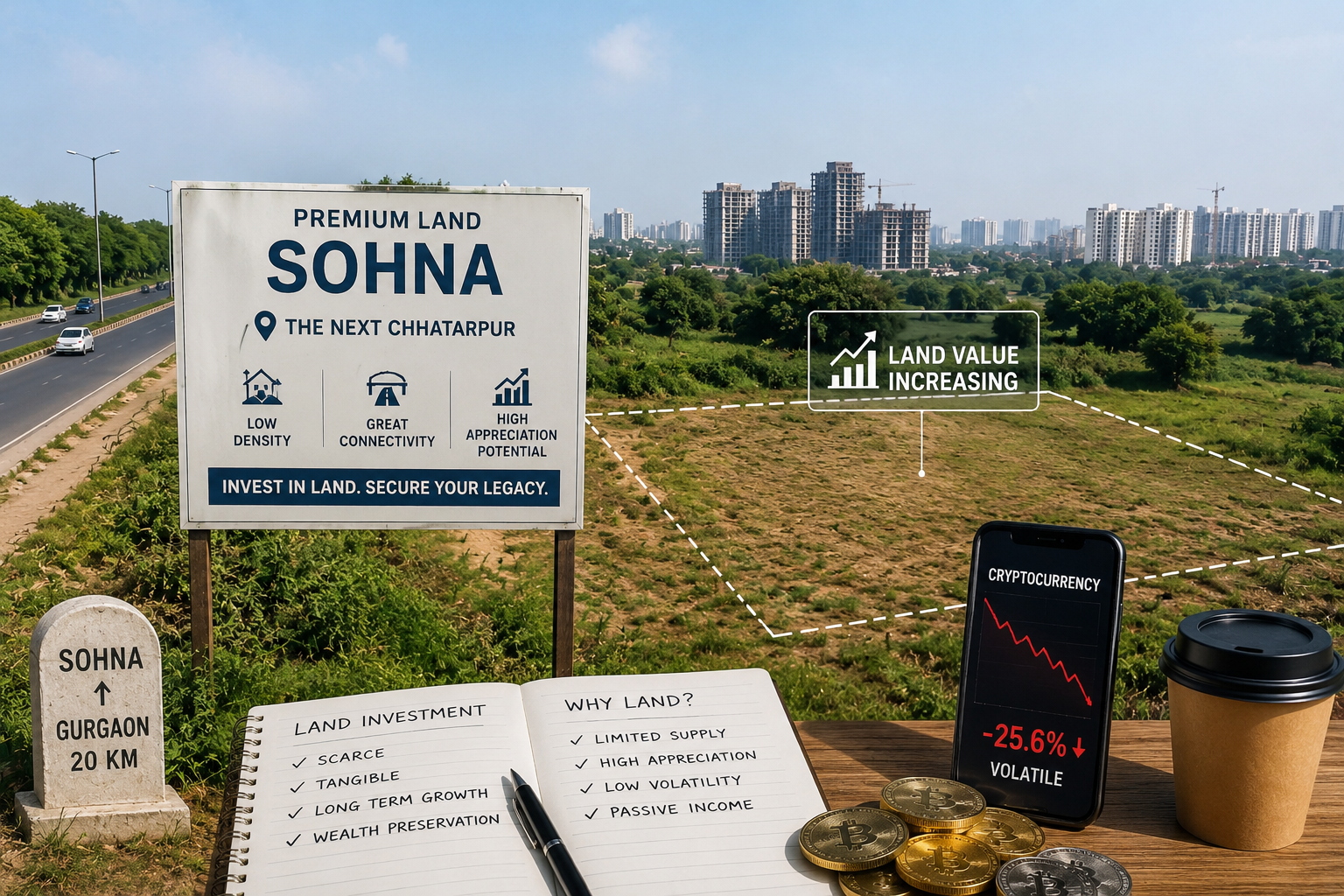
In an age dominated by equities, private equity funds, startups, cryptocurrencies, and sophisticated wealth management products, one asset class continues to attract the attention of India's wealthiest families. Land. Not because it is fashionable. Not because it is liquid. And certainly not because it generates the highest short-term returns. The attraction lies elsewhere: scarcity.
Across generations, some of India's most successful business families have understood a simple principle: businesses can be replicated, products can be copied, and financial assets can be traded. Land, however, is finite. This is one reason why land continues to occupy a unique position in wealth preservation strategies around the world.
According to luxury real estate advisor Aishwaraya Shri Kapoor, India's ultra-wealthy are increasingly building substantial portfolios focused on land and premium real estate assets, driven by exclusivity and scarcity rather than short-term speculation. (India Today)
The Difference Between Wealth Creation and Wealth Preservation
Historically, many entrepreneurs create wealth through businesses. The next challenge is preserving that wealth. Public equities can be volatile. Private businesses carry operational risks. Even luxury residential assets face supply competition as new projects enter the market.
Land operates differently. A prime parcel cannot be manufactured. This is why some of the world's most valuable assets are not buildings themselves, but the land beneath them. The concept is visible across major global cities. Whether it is central London, Manhattan, or Singapore, the long-term value story is often linked more closely to land scarcity than to construction costs.
The Chhatarpur Lesson
Delhi offers a compelling example. In the early and mid-1990s, Chhatarpur was largely viewed as a peripheral location. While South Delhi was already established, many affluent families began acquiring larger land parcels in and around the area. At the time, these purchases appeared unconventional.
Today, Chhatarpur has evolved into one of India's most recognized farmhouse destinations. Large parcels are scarce, prices have risen significantly, and the area has become synonymous with private estate-style living. The transformation did not happen overnight. It unfolded over decades as infrastructure improved, wealth expanded, and demand for privacy increased.
Why Space Is Becoming the New Luxury
For years, luxury in Indian real estate was defined by location and height. Penthouse apartments, premium towers, and branded residences dominated the conversation. Increasingly, however, affluent buyers are seeking something different. Space. Privacy. Control.
A growing discussion among high-net-worth buyers is whether the future of luxury lies in owning larger parcels rather than larger apartments. Online real estate communities frequently debate the long-term advantages of land ownership, particularly its scarcity and flexibility compared to built-up assets. (Reddit)
This does not mean apartments are losing relevance. Far from it. India's luxury housing market remains exceptionally strong. In fact, premium housing demand continues to be supported by the country's growing affluent population. (The Times of India) However, for a segment of buyers, the definition of luxury is evolving from shared amenities to private experiences.
The Rise of New Estate Corridors
Every generation witnesses the emergence of new real estate corridors. A decade ago, few would have predicted the scale of growth along Golf Course Extension Road or the Southern Peripheral Road. Today, attention is increasingly shifting toward emerging low-density markets connected to major urban centers. Sohna is one such example.
According to market data cited by Square Yards, Sohna has emerged as the third-largest residential micro-market in Gurugram. New supply since 2020 has exceeded the cumulative supply of the previous decade, while property values have nearly doubled since 2019. (The Economic Times) Rajat Likhyani, Principal Partner at Square Yards, has noted that strategic infrastructure projects and improved connectivity have significantly increased both buyer and developer interest in the region. (The Economic Times)
Thinking Beyond the Current Cycle
The most successful real estate investments often share one characteristic. They were obvious only in hindsight. The people who acquired land in Chhatarpur during the 1990s were not buying what the area was at that moment. They were investing in what it could become over time. That same principle continues to guide many sophisticated investors today. Because while markets, technologies, and investment trends change constantly, one reality remains unchanged: land is one of the few assets that no one can create more of.
News Legacy maintains editorial independence. Some recommendations may contain affiliate links. We earn from qualifying purchases at no additional cost to you. Read our policy.
Read Next
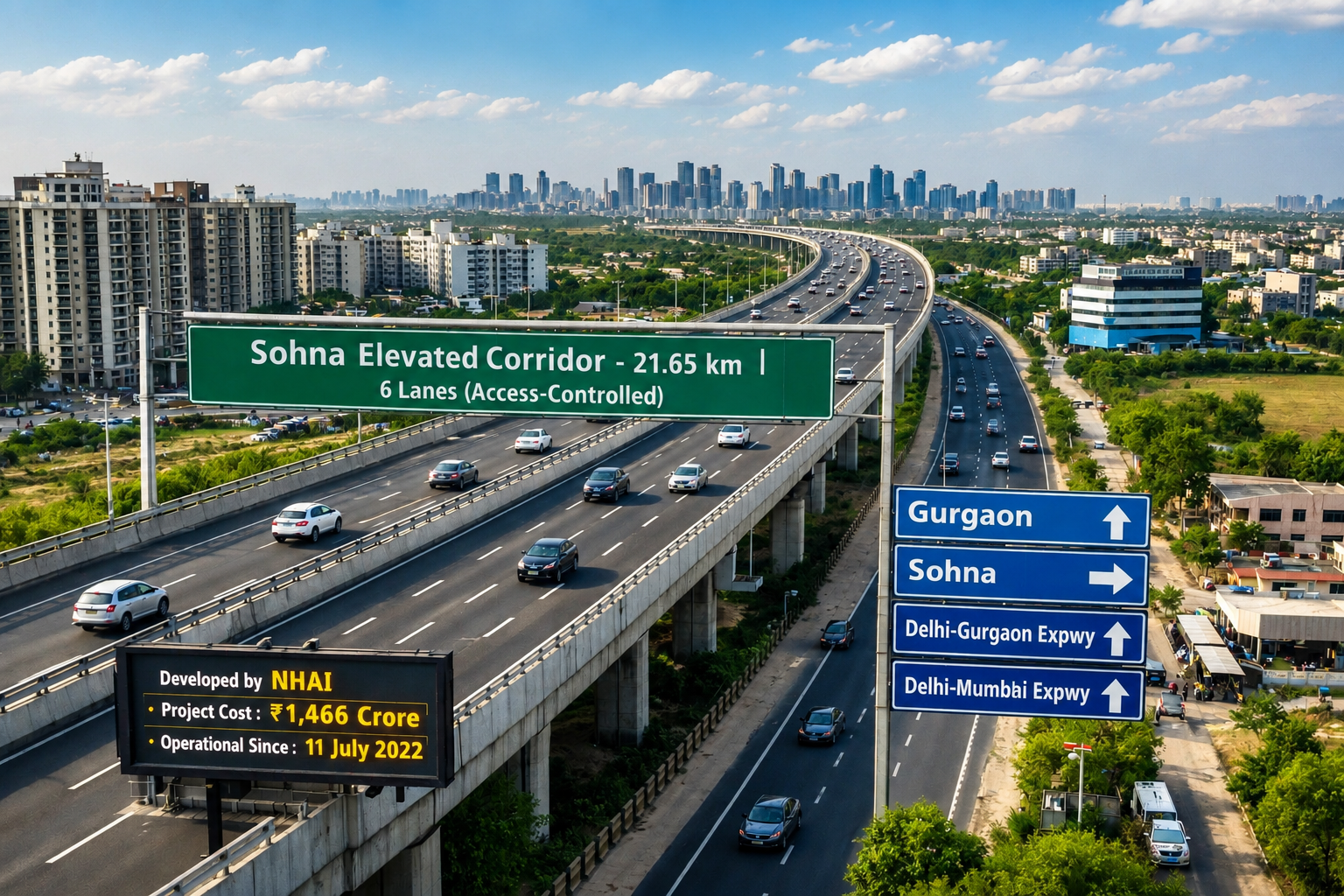
Is Sohna Really the Next Chhatarpur?
Three decades after Chhatarpur redrew South Delhi's map for space, privacy and exclusivity, a familiar pattern is now taking shape further south, and Sohna is where the smart money is beginning to look.
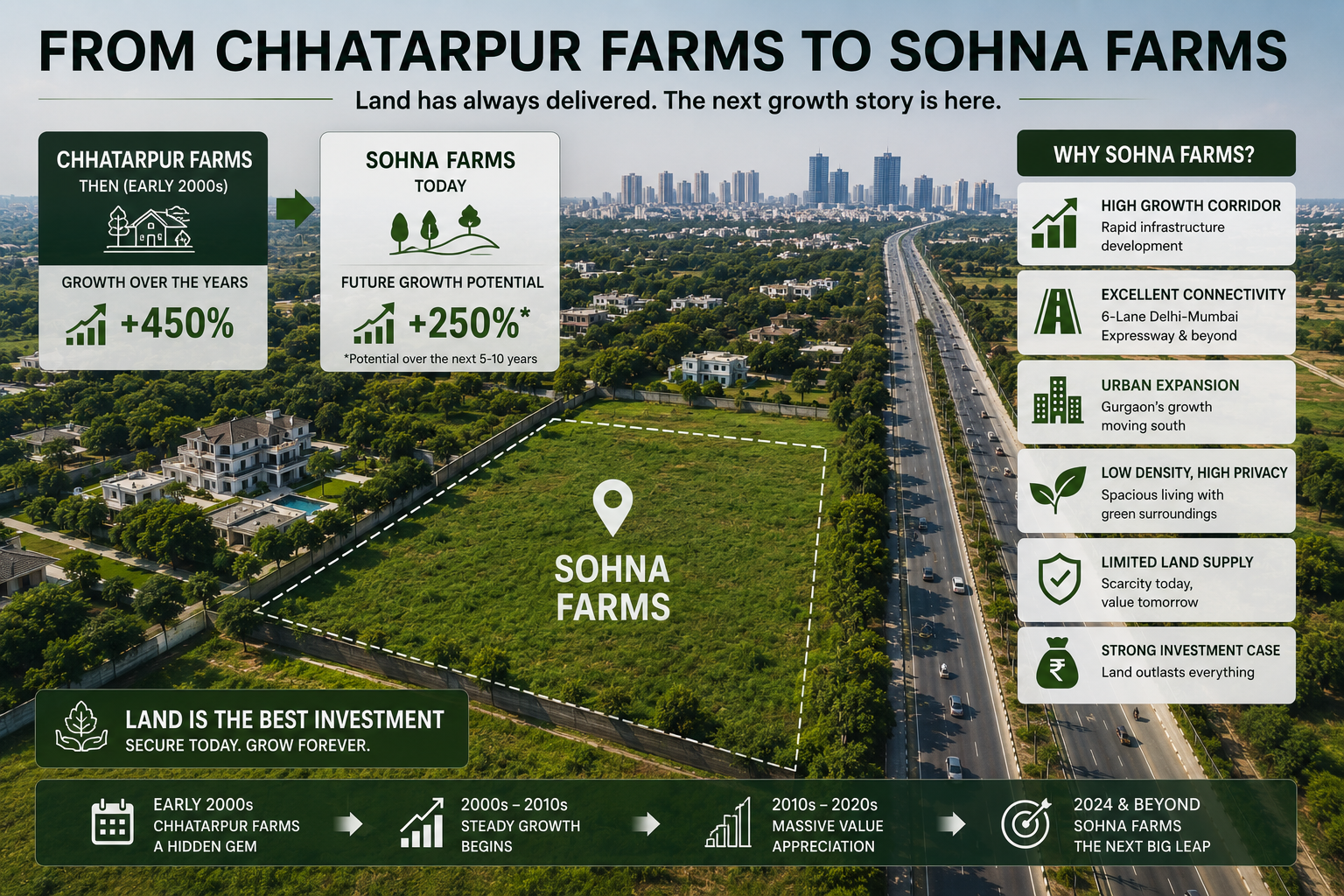
How Chhatarpur Farmhouses Created Multi-Crore Wealth for Early Buyers
What a quiet corner of South Delhi can teach investors about land, scarcity, and long-term wealth creation.
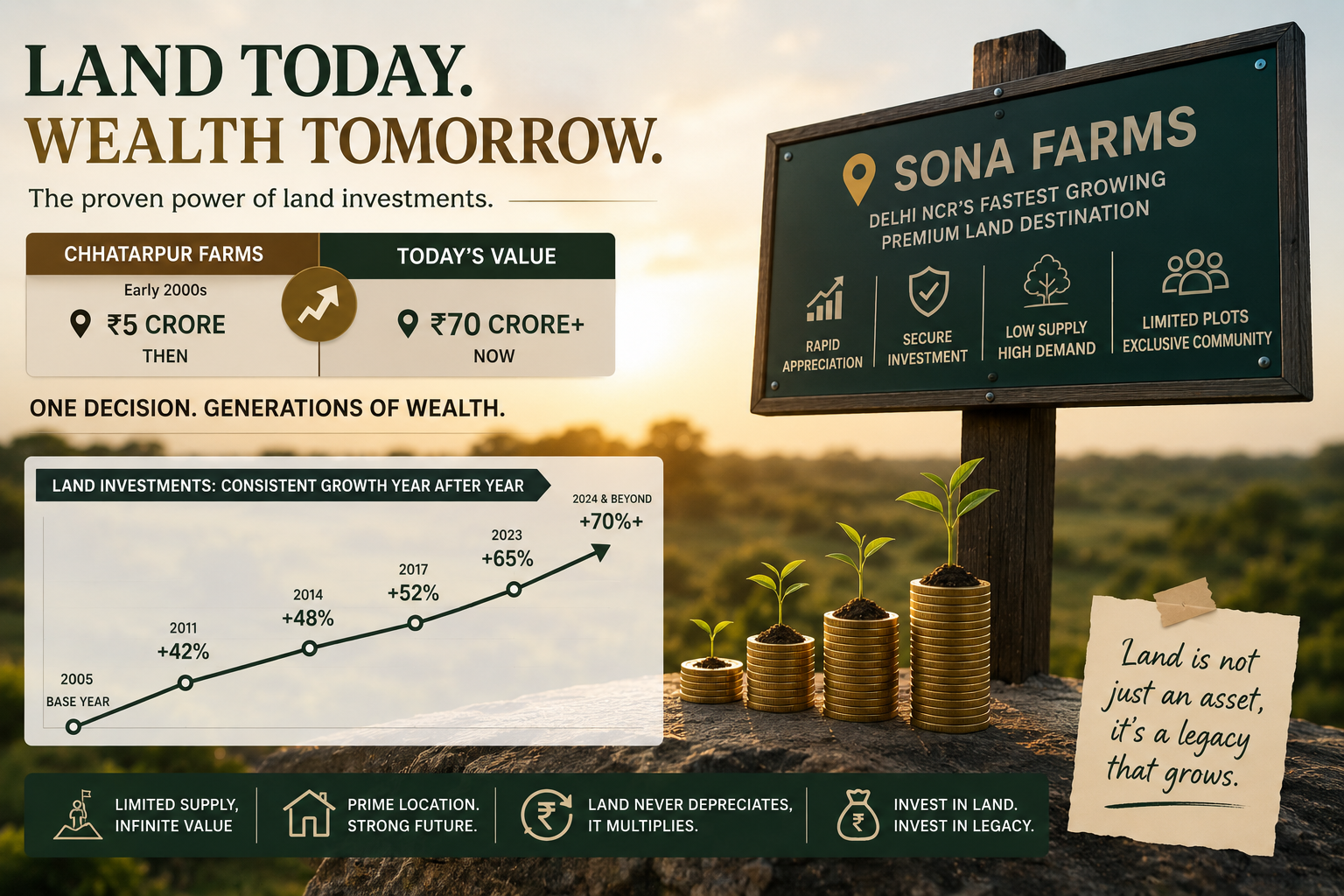
The ₹5 Crore Land Purchase That Became Worth ₹70 Crore
What the Story of DLF Chhatarpur Farms Reveals About Wealth Creation Through Premium Land Ownership
One short email. Stories you can use.
A free, occasional email from our editorial team with our latest features, explainers and reads. Unsubscribe any time — your email stays with us.