Last-Mile Logics: European Retailers Recalibrate as Delivery Costs Bite
The pursuit of swift, seamless e-commerce delivery across the continent faces increasing economic pressures, forcing major European retailers to rethink their logistical architectures and customer propositions.

In a vast warehouse just outside Poznań, Allegro's automated sortation systems process millions of parcels weekly, destined for households across Poland and increasingly, beyond its borders. This operational efficiency underscores a broader continental challenge: how to deliver goods to consumers' doorsteps economically and sustainably. European retailers, from fashion giants like Zalando to grocery stalwarts such as Carrefour and REWE, are navigating a complex landscape where consumer expectations for speed clash with the escalating costs of fuel, labour, and infrastructure, compelling a strategic re-evaluation of last-mile logistics.
For years, the race to offer ever-faster, often free, delivery shaped e-commerce strategy. Companies like the now-defunct Gorillas and its competitor Flink burned through significant capital to establish ultra-fast delivery networks in dense urban areas, promising groceries in minutes. While these ventures demonstrated consumer appetite for speed, their financial models proved unsustainable without substantial scale and pricing power. The market correction has been swift, leaving established players to absorb the lessons and adapt their own, often extensive, delivery infrastructures.
The Cost of Convenience
The economic realities are stark. Fuel prices, volatile since 2022, directly impact transport costs. Labour shortages, particularly for skilled drivers, have pushed up wages across the EU, from Germany to Spain. Moreover, the environmental imperative to reduce carbon footprints adds another layer of complexity, often requiring investment in electric vehicle fleets or more efficient routing software, which entail significant upfront capital expenditure. These combined factors mean that a simple parcel delivery, particularly for smaller, lower-margin items, can quickly become unprofitable.
This pressure is palpable for platforms operating across diverse markets. Bol.com, dominant in the Netherlands and Belgium, and Cdiscount in France, both face distinct geographical and infrastructural challenges. Delivering to a rural farmhouse in Brittany differs significantly in cost and complexity from serving an apartment block in central Amsterdam. Even integrated retailers like Lidl and REWE, leveraging their extensive physical store networks for click-and-collect or local delivery hubs, confront the intricate balance of utilising existing assets versus building dedicated e-commerce fulfilment capabilities.
One industry analyst observes that: "The era of subsidising every last-mile delivery to win market share is definitively over. Retailers are now rigorously segmenting their customers and offerings based on actual delivery economics."
Shifting Strategies and Cross-Border Complexities
Retailers are responding with a multi-pronged approach. Many are now experimenting with tiered delivery pricing, where faster options incur a premium, or minimum order values are strictly enforced for free shipping. Zalando, for instance, has refined its approach to returns and delivery surcharges in various markets. The growth of second-hand platforms like Vinted further complicates parcel delivery networks, as peer-to-peer shipments add volume but often lack the consistent routing efficiencies of B2C operations.
Cross-border logistics within the EU remain a significant hurdle. While the single market theoretically simplifies trade, variations in last-mile carrier networks, customs procedures (post-Brexit, for example, between the EU and the UK), and consumer preferences for delivery points (home, locker, post office) still add friction. A customer in Stockholm ordering from a German retailer or an Italian consumer buying from a Polish marketplace like Allegro expects a seamless experience, yet the underlying network involves multiple handoffs and potential delays. Standardisation and interoperability among logistics providers are improving but remain far from complete.
The strategic response extends to infrastructure investments. Automation within fulfilment centres, like those used by Allegro or Amazon in its European network, aims to reduce labour costs and increase throughput. The expansion of parcel locker networks, particularly prevalent in Poland and the Nordics, offers a cost-effective alternative to home delivery, reducing failed deliveries and optimising driver routes. As retailers navigate the tightening margins of digital commerce, the last mile has become a critical battleground for profitability and customer loyalty, demanding continuous innovation and disciplined cost management.
News Legacy maintains editorial independence. Some recommendations may contain affiliate links. We earn from qualifying purchases at no additional cost to you. Read our policy.
Read Next
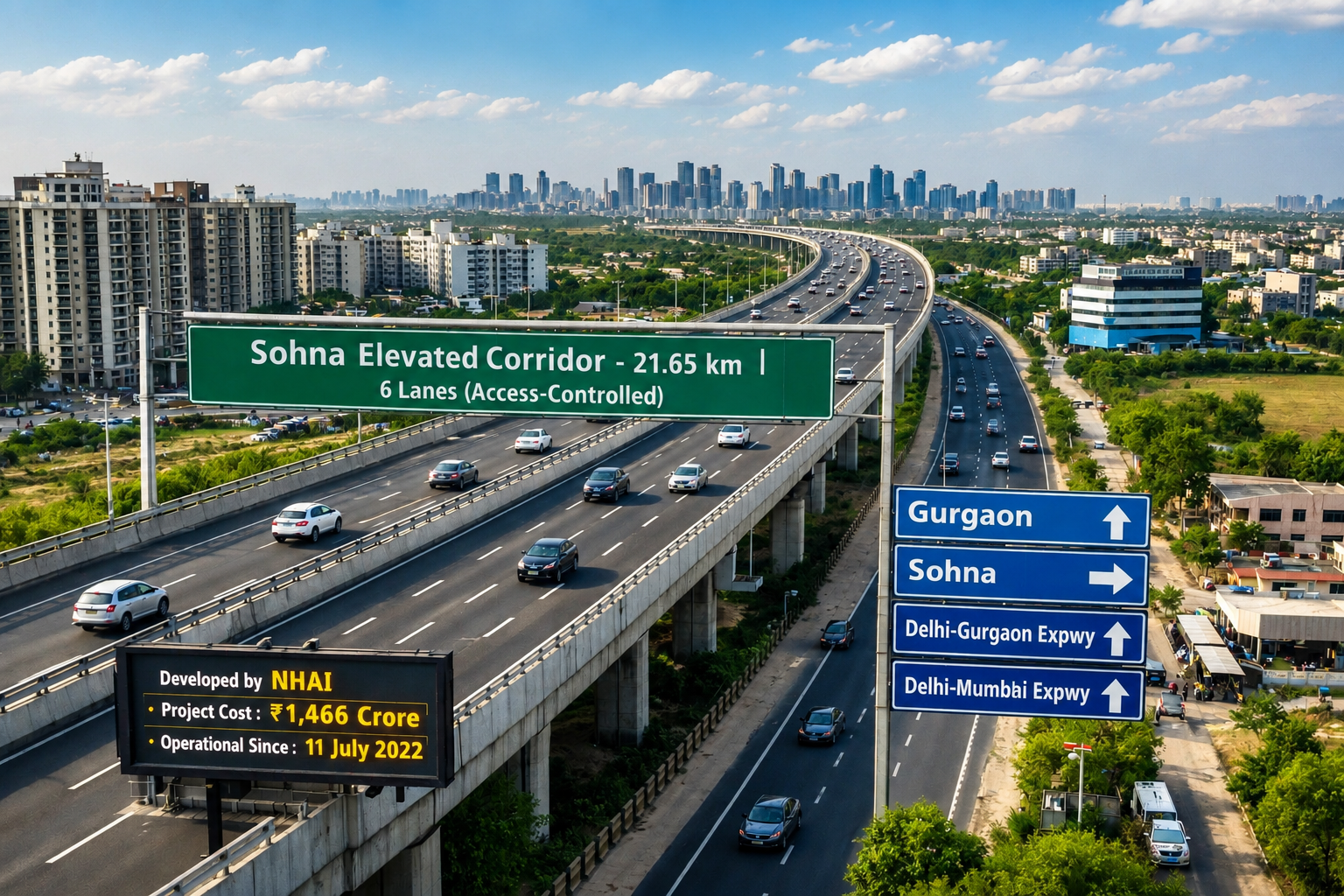
Is Sohna Really the Next Chhatarpur?
Three decades after Chhatarpur redrew South Delhi's map for space, privacy and exclusivity, a familiar pattern is now taking shape further south, and Sohna is where the smart money is beginning to look.
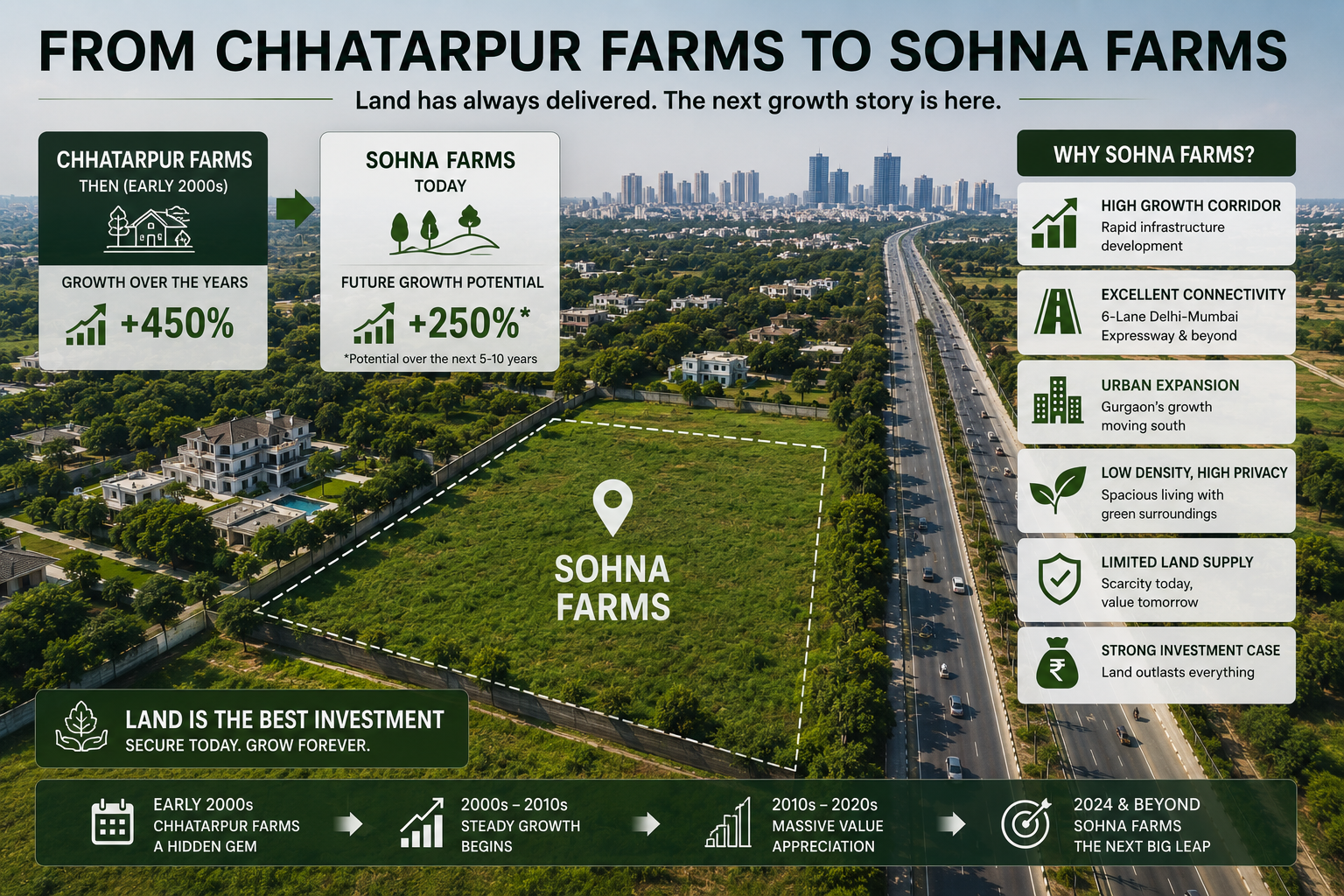
How Chhatarpur Farmhouses Created Multi-Crore Wealth for Early Buyers
What a quiet corner of South Delhi can teach investors about land, scarcity, and long-term wealth creation.

The ₹5 Crore Land Purchase That Became Worth ₹70 Crore
What the Story of DLF Chhatarpur Farms Reveals About Wealth Creation Through Premium Land Ownership
One short email. Stories you can use.
A free, occasional email from our editorial team with our latest features, explainers and reads. Unsubscribe any time — your email stays with us.