Last-Mile Logistical Friction: The UK Retail Sector's Enduring Challenge
Despite considerable investment in automation and delivery networks, British retailers continue to grapple with the intricate and costly demands of fulfilling online orders, highlighting a fundamental tension between consumer expectations and operational realities.

From the bustling aisles of a Tesco Extra to the automated sorting hubs supplying ASOS, the UK's retail sector is in a perpetual state of logistical re-evaluation. The promise of seamless e-commerce has been met with the complex reality of last-mile delivery, a critical and often expensive bottleneck. For a nation that has embraced online shopping with considerable fervour, the mechanisms by which goods travel from warehouse to doorstep represent a significant operational and financial burden, shaping strategic decisions across the industry.
The evolution of consumer behaviour has placed unprecedented pressure on supply chains. Next, for instance, has long offered comprehensive next-day delivery options, setting a benchmark many others struggle to match profitably. This expectation of speed, often free of charge, forces retailers to absorb a substantial portion of the delivery cost, eroding margins in an already competitive environment. The sheer volume of individual parcels dispatched daily underscores the scale of this logistical undertaking.
Consider the grocery sector, where Ocado's highly automated warehouses contrast with Sainsbury's and Tesco's hybrid picking models, leveraging existing store infrastructure. Both approaches aim to provide convenience but face distinct challenges: Ocado with the capital intensity of its centralised fulfilment centres, and traditional supermarkets with the operational complexities of integrating online order fulfilment into physical stores, often competing for space with in-person shoppers.
The Cost of Convenience
The economic implications are substantial. While precise figures are often proprietary, industry estimates suggest that last-mile delivery can account for over half of total shipping costs, largely due to labour, fuel, and vehicle maintenance in urban environments. The proliferation of delivery vans, often travelling half-empty or making multiple stops for single items, highlights inefficiencies that retailers are continuously striving to mitigate through route optimisation and network consolidation.
Marks & Spencer, a stalwart of the high street, has invested in upgrading its e-commerce capabilities, but the final leg of delivery remains an intricate dance between speed, cost, and customer satisfaction. The imperative is not merely to deliver, but to do so reliably and affordably, a balance that shifts with fuel prices, labour availability, and seasonal demand fluctuations, such as the period leading up to Christmas.
The persistent challenge for British retail logistics lies in optimising a delivery network that is simultaneously responsive to individual customer demands and economically sustainable at scale.
The 'gig economy' platforms like Deliveroo and Just Eat have further complicated the landscape, demonstrating how hyper-local, on-demand delivery can reshape expectations. While primarily focused on food, their model influences consumer perceptions of speed across all retail categories. This has spurred traditional retailers to explore partnerships or develop similar capabilities, albeit with different product profiles and average order values.
Navigating Future Pressures
Looking ahead, the industry faces mounting pressure from environmental regulations and consumer demand for sustainable practices. Electric vehicle fleets, although gaining traction, require significant upfront capital expenditure for vehicles and charging infrastructure. Retailers must also consider package waste and the carbon footprint of their operations, adding another layer of complexity to logistical planning.
The UK's dense urban centres and varied rural geographies present unique challenges for logistics networks. Innovations in drone delivery and autonomous vehicles are often cited as future solutions, yet their widespread deployment remains constrained by regulatory hurdles and technological maturity. For the foreseeable future, British retailers will continue to refine their ground-based delivery strategies, seeking marginal gains in efficiency to meet ever-escalating consumer expectations without compromising profitability.
News Legacy maintains editorial independence. Some recommendations may contain affiliate links. We earn from qualifying purchases at no additional cost to you. Read our policy.
Read Next
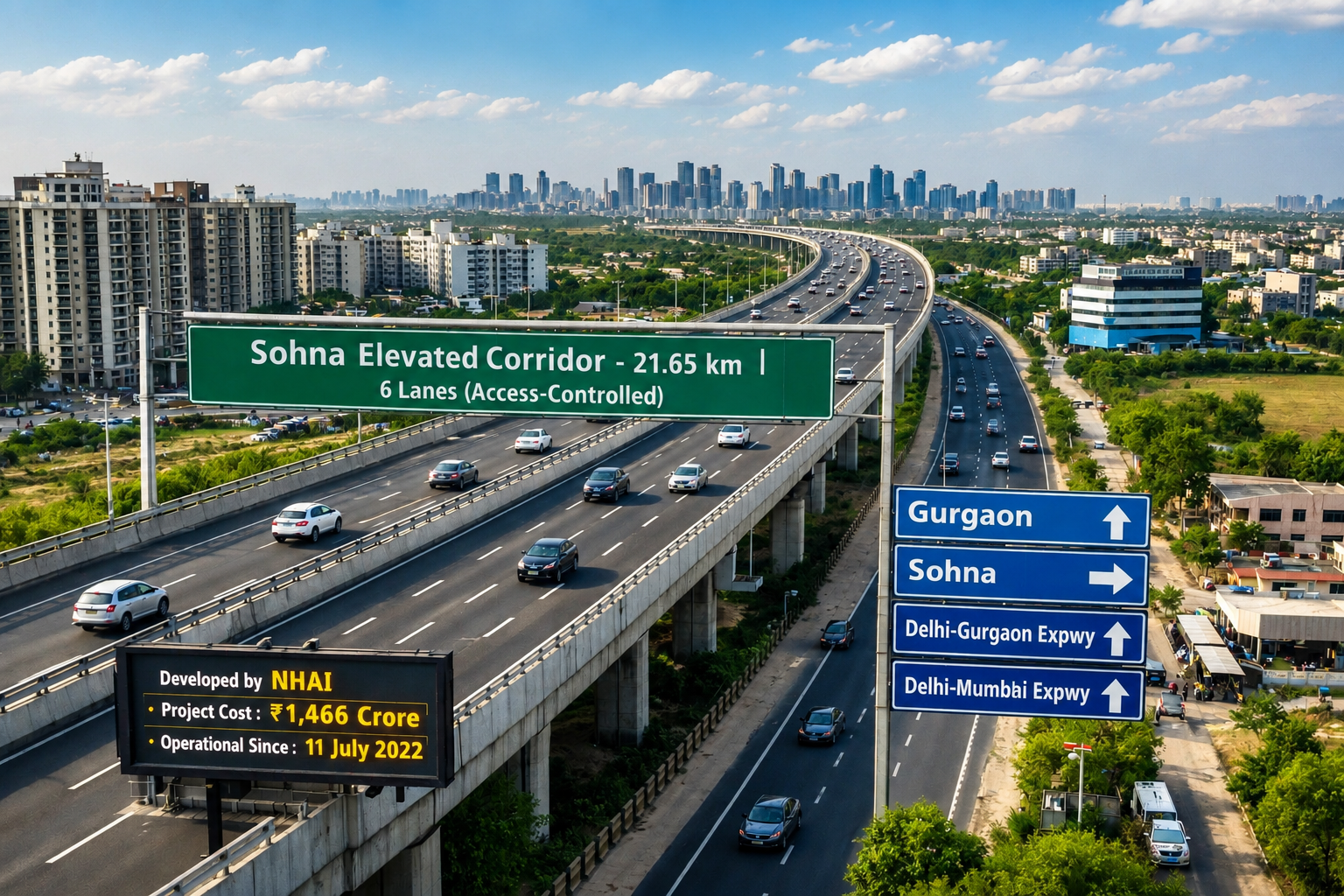
Is Sohna Really the Next Chhatarpur?
Three decades after Chhatarpur redrew South Delhi's map for space, privacy and exclusivity, a familiar pattern is now taking shape further south, and Sohna is where the smart money is beginning to look.
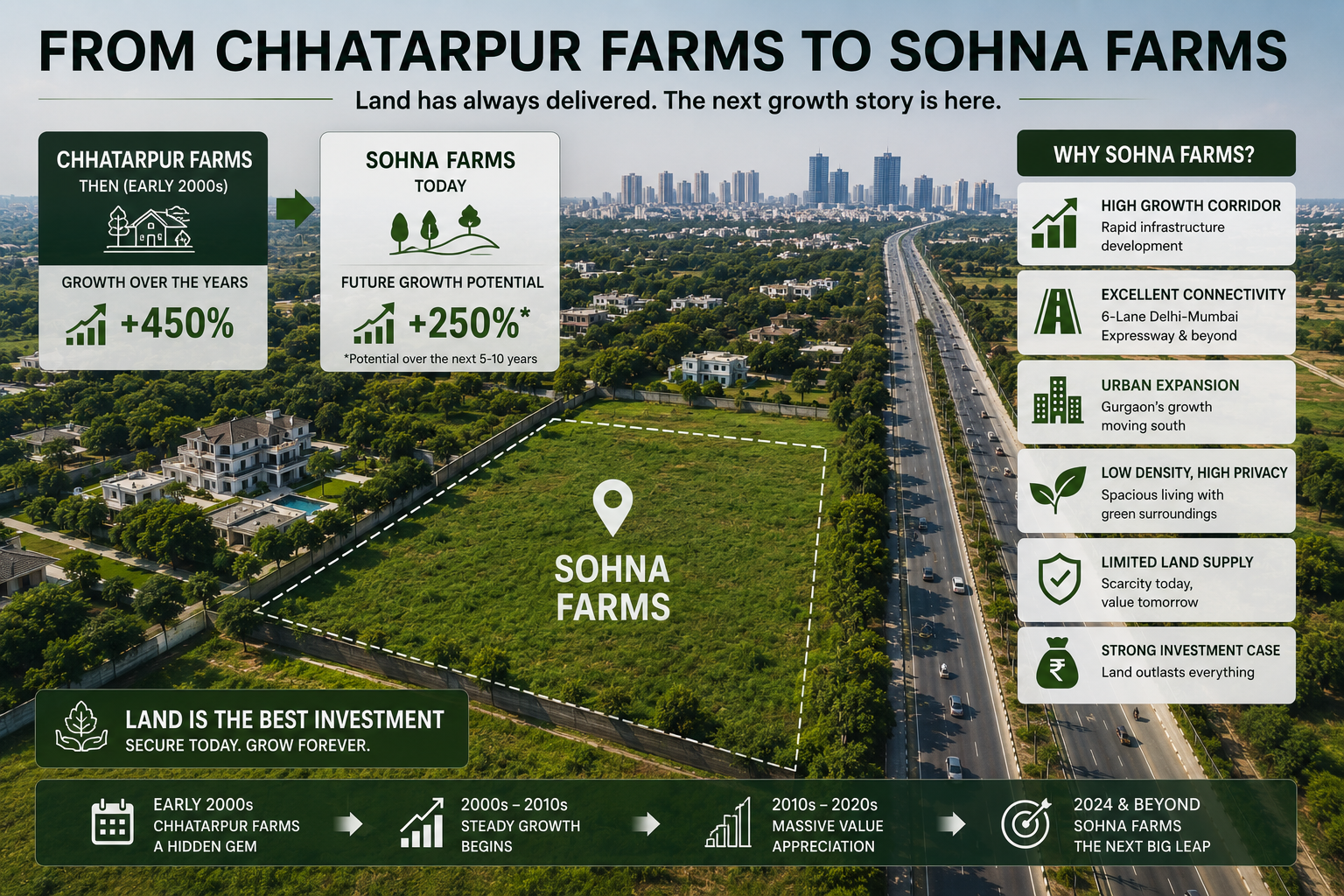
How Chhatarpur Farmhouses Created Multi-Crore Wealth for Early Buyers
What a quiet corner of South Delhi can teach investors about land, scarcity, and long-term wealth creation.

The ₹5 Crore Land Purchase That Became Worth ₹70 Crore
What the Story of DLF Chhatarpur Farms Reveals About Wealth Creation Through Premium Land Ownership
One short email. Stories you can use.
A free, occasional email from our editorial team with our latest features, explainers and reads. Unsubscribe any time — your email stays with us.