Last-Mile Reckoning: European Grocery's Profit Imperative
The high-growth, cash-burning era of rapid grocery delivery in Europe has fundamentally altered consumer expectations. Now, traditional retailers and next-generation platforms alike must navigate the difficult path to sustainable profitability amidst slowing venture capital inflows.

The distinctive green and purple livery of Flink's e-bikes remains a common sight in Berlin and Paris, yet the widespread street presence belies a sector grappling with a profound strategic pivot. What began as a venture capital-fueled land grab for market share across European cities — exemplified by players like Gorillas (now part of Getir) and its rivals — has matured into a more constrained environment. The imperative has shifted from mere expansion to genuine financial viability, influencing everything from pricing models to delivery infrastructure.
Traditional European retailers initially viewed these agile, digital-native competitors as a threat, then as a potential partner, and now increasingly as a template for their own accelerated digital transformation. Carrefour's and REWE's intensified investments in their own online delivery ecosystems, alongside their measured forays into quick commerce partnerships, highlight a recognition that the genie of instant gratification cannot be put back in the bottle. Consumers in Madrid, Milan, and Marseille have grown accustomed to unprecedented speed and convenience.
The Cost of Convenience
The underlying economics of last-mile grocery delivery have always been challenging. High labour costs, particularly across Western Europe, coupled with the capital intensity of micro-fulfilment centres and dedicated delivery fleets, make wafer-thin retail margins even more precarious. Early-stage rapid grocery firms, often subsidising deliveries and offering aggressive discounts, built networks that were, by design, not immediately profitable. Their valuation rested on the premise of future scale and eventual market dominance.
The capital markets, however, have grown more discerning. The era of readily available funding for speculative growth without a clear path to earnings has largely receded. This shift compels not only the direct rapid grocery players but also established e-commerce giants like Zalando and Allegro, which observe adjacent market trends, to scrutinise every operational expense and revenue stream. The Polish market, with Allegro’s dominance, presents a slightly different dynamic due to generally lower labour costs, yet the efficiency challenge remains universal.
One industry analyst observes that: "The real innovation now is in unit economics, not just speed."
This focus on efficiency translates into more sophisticated routing algorithms, better inventory management within urban dark stores, and an emphasis on reducing 'empty miles' for delivery riders. Companies are exploring varied pricing strategies, from tiered delivery fees based on order size or time windows to subscription models designed to lock in customer loyalty and smooth demand peaks.
Diversification and Digital Integration
The quest for profitability also extends to broadening the product assortment beyond immediate grocery needs. Many platforms are integrating pharmacy items, local artisan goods, or even small electronics, leveraging their delivery network for higher-margin categories. Bol.com, a dominant force in the Netherlands and Belgium, demonstrates the power of a comprehensive online marketplace, and its success offers a blueprint for how a wide product range can absorb last-mile costs more effectively. Meanwhile, second-hand clothing platforms such as Vinted, thriving across France, Spain, and Italy, showcase the success of digital-first models that aggregate demand and manage intricate logistics through a distributed network, albeit on a less immediate timeline than grocery.
Ultimately, the European quick commerce sector will likely consolidate further, with a handful of well-capitalised or strategically integrated players emerging. The long-term survivors will be those that master the delicate balance between retaining customer convenience, optimising operational costs, and generating sustainable revenue, rather than merely relying on investor goodwill. The future of online grocery delivery is less about breakneck speed and more about robust, resilient, and profitable operations.
News Legacy maintains editorial independence. Some recommendations may contain affiliate links. We earn from qualifying purchases at no additional cost to you. Read our policy.
Read Next
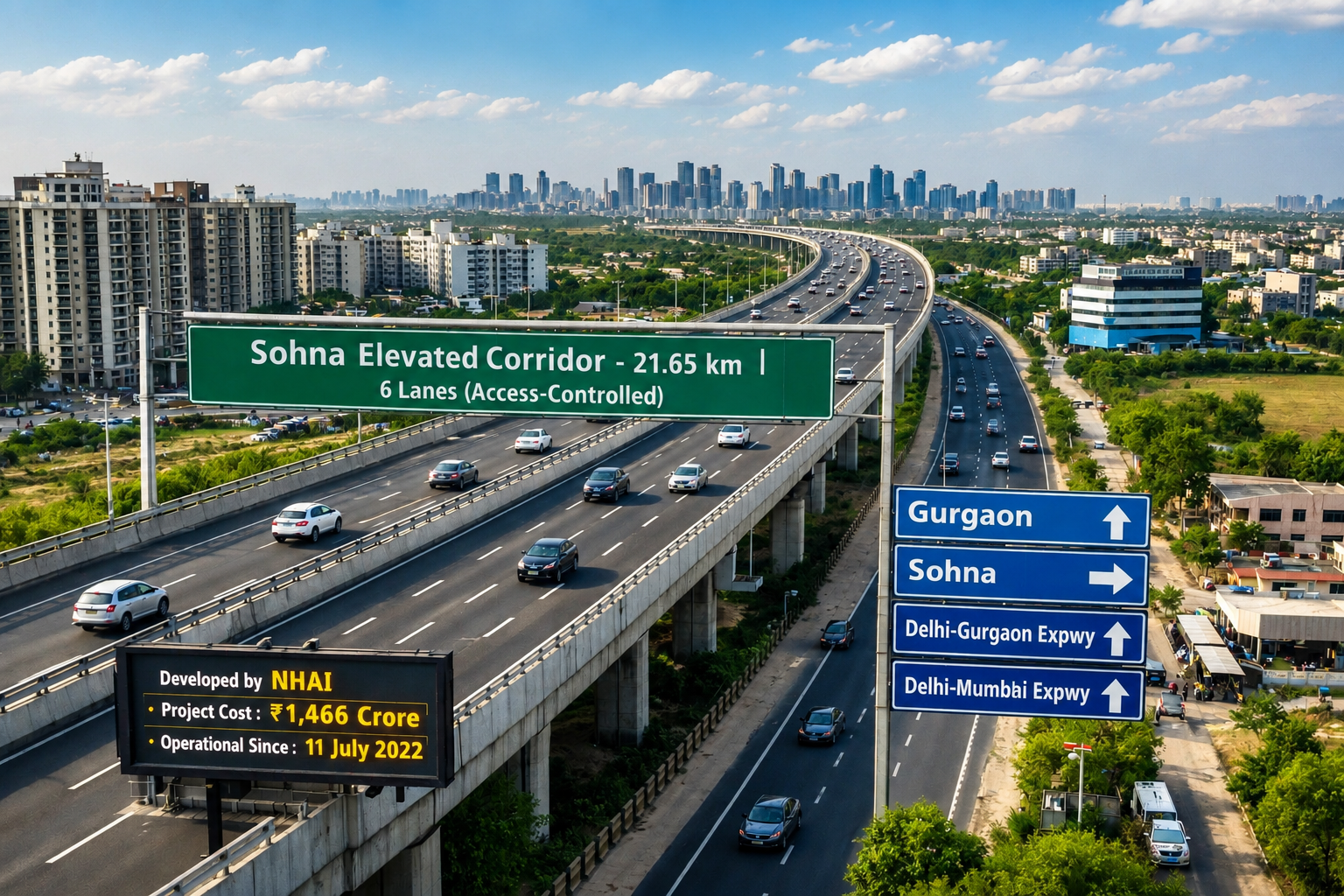
Is Sohna Really the Next Chhatarpur?
Three decades after Chhatarpur redrew South Delhi's map for space, privacy and exclusivity, a familiar pattern is now taking shape further south, and Sohna is where the smart money is beginning to look.
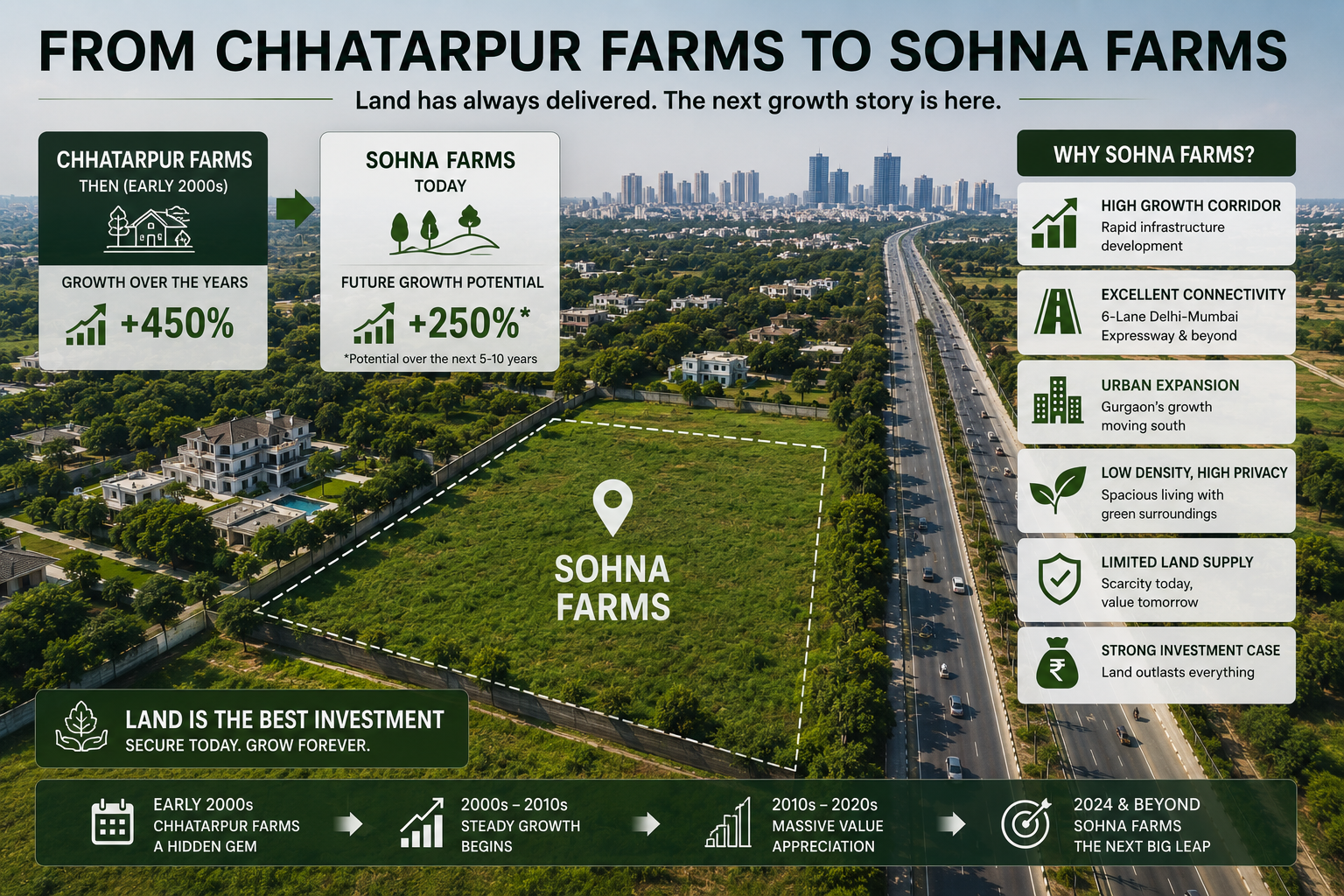
How Chhatarpur Farmhouses Created Multi-Crore Wealth for Early Buyers
What a quiet corner of South Delhi can teach investors about land, scarcity, and long-term wealth creation.
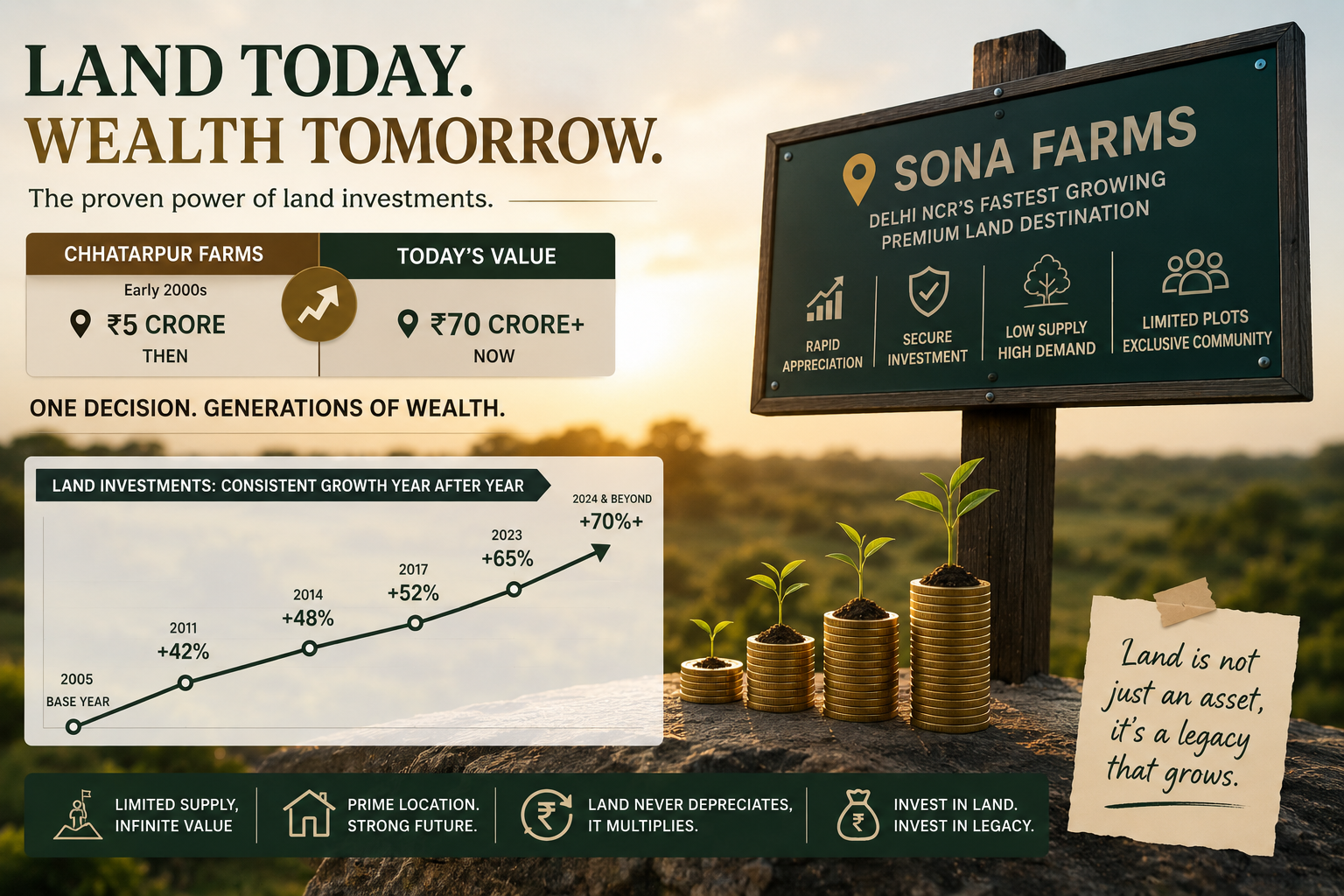
The ₹5 Crore Land Purchase That Became Worth ₹70 Crore
What the Story of DLF Chhatarpur Farms Reveals About Wealth Creation Through Premium Land Ownership
One short email. Stories you can use.
A free, occasional email from our editorial team with our latest features, explainers and reads. Unsubscribe any time — your email stays with us.