Last-Mile Reckoning: Europe's Quick Commerce Sector Navigates Profitability Pressures
The European quick commerce landscape is maturing, moving beyond rapid expansion into a critical phase where operational efficiency and sustainable revenue models are paramount for survival and growth.

From the bustling streets of Paris to the digital marketplaces serving Polish consumers, the quick commerce phenomenon has reshaped expectations for immediate gratification. While early entrants like Gorillas garnered significant venture capital and expanded aggressively, the sector now faces a formidable challenge: transforming customer convenience into consistent profitability across a fragmented and diverse continental market.
The initial phase of aggressive subsidy and breakneck expansion, once commonplace from Berlin to Madrid, has largely subsided. Instead, companies are increasingly scrutinising delivery radii, product margins, and labour costs. This pivot marks a significant shift from a 'growth at all costs' mentality to a more disciplined approach focused on unit economics and operational longevity.
The Scramble for Efficiency
Across Europe, established retailers and digital natives are recalibrating their quick commerce strategies. Supermarket chains such as Carrefour in France and REWE in Germany, already possessing extensive physical networks, are leveraging existing infrastructure to fulfil rapid deliveries, often within a five-kilometre radius of their stores. This model reduces the capital expenditure associated with new dark stores, a significant cost burden for pure-play quick commerce platforms.
The evolution is also evident in broader e-commerce. While platforms like Zalando primarily focus on fashion and Bol.com dominates certain non-food categories in the Benelux, their strategies for faster fulfilment within specific urban centres hint at the pervasive influence of quick commerce expectations. The pressure extends beyond groceries, touching everything from consumer electronics to specialised retail, compelling even general merchandise players to re-evaluate their logistical capabilities.
The quick commerce sector’s enduring test lies not in demonstrating demand for speed, but in establishing a viable financial framework that withstands economic fluctuations and investor scrutiny.
Consolidation has already begun, notably with Getir acquiring Gorillas, reflecting an industry-wide recognition that scale and operational synergies are essential. However, the geographic nuances of Europe present unique hurdles. Regulatory frameworks, labour market conditions, and consumer preferences vary significantly between, for instance, the densely populated urban centres of Italy and the more spread-out Nordic capitals. This heterogeneity complicates the adoption of a single, scalable operational blueprint.
Cross-Border Complexities and Localised Approaches
Beyond pure quick commerce, established European e-commerce giants like Allegro in Poland and Cdiscount in France are keenly observing these developments. Their existing infrastructure and customer bases provide a distinct advantage, allowing for selective integration of rapid delivery options without the existential pressure faced by smaller, dedicated quick commerce entities. The question for these incumbents is not if, but how and when, to deepen their last-mile commitments without cannibalising traditional models.
Furthermore, the challenge extends to securing competitive supplier relationships and managing intricate supply chains across national borders. While major manufacturers operate continent-wide, localised product assortments and pricing strategies, often dictated by national retail champions like Lidl, add layers of complexity. For a quick commerce operator seeking to serve diverse markets, navigating these supplier landscapes efficiently is as crucial as optimising rider routes.
The sector’s future appears to coalesce around hybrid models: either traditional retailers enhancing their digital and delivery capabilities, or digital natives demonstrating a clear, differentiated path to profitability. The days of simply burning capital to gain market share seem to be receding, replaced by a more pragmatic pursuit of sustainable operations within Europe’s varied and demanding consumer landscape.
News Legacy maintains editorial independence. Some recommendations may contain affiliate links. We earn from qualifying purchases at no additional cost to you. Read our policy.
Read Next

Is Sohna Really the Next Chhatarpur?
Three decades after Chhatarpur redrew South Delhi's map for space, privacy and exclusivity, a familiar pattern is now taking shape further south, and Sohna is where the smart money is beginning to look.
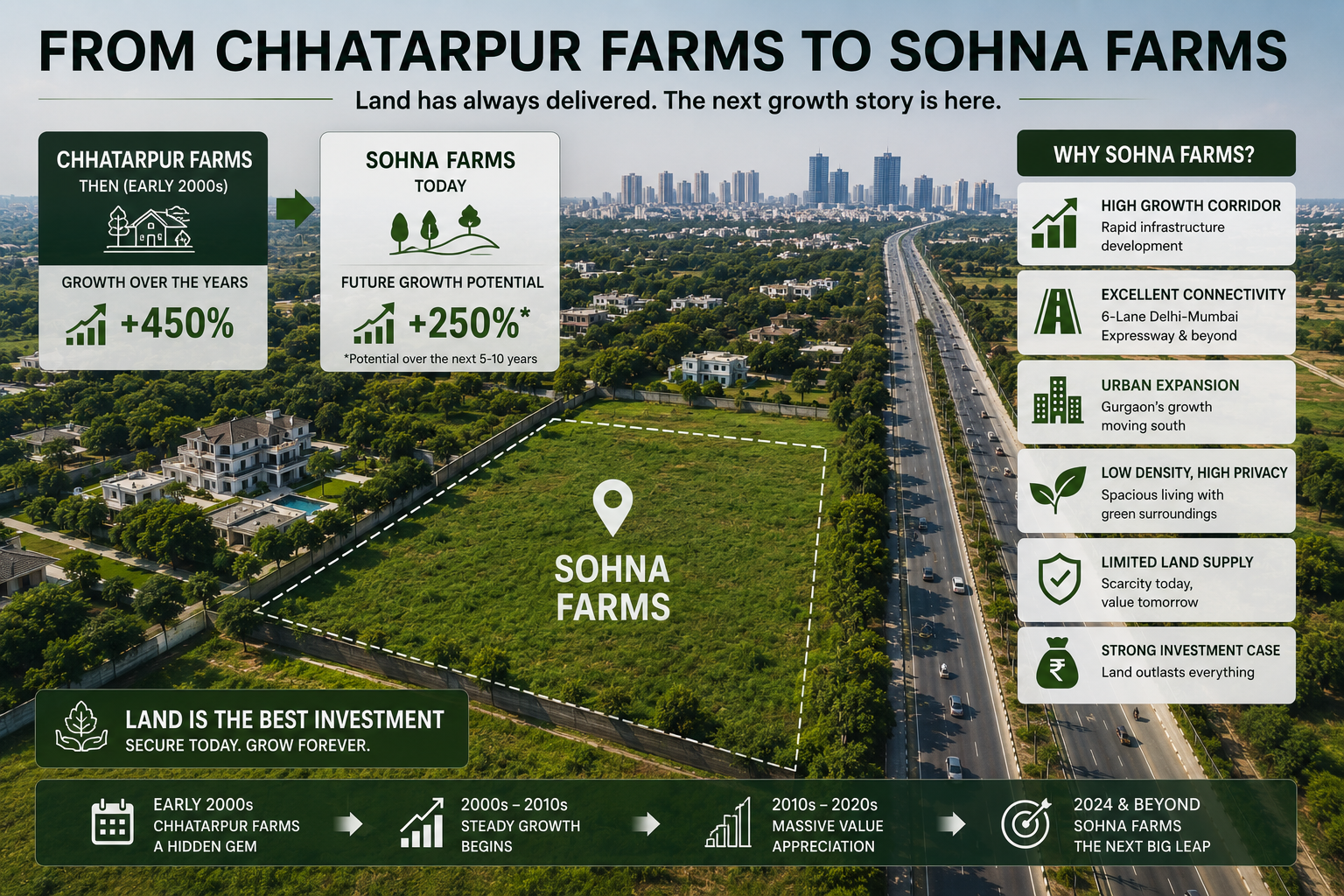
How Chhatarpur Farmhouses Created Multi-Crore Wealth for Early Buyers
What a quiet corner of South Delhi can teach investors about land, scarcity, and long-term wealth creation.
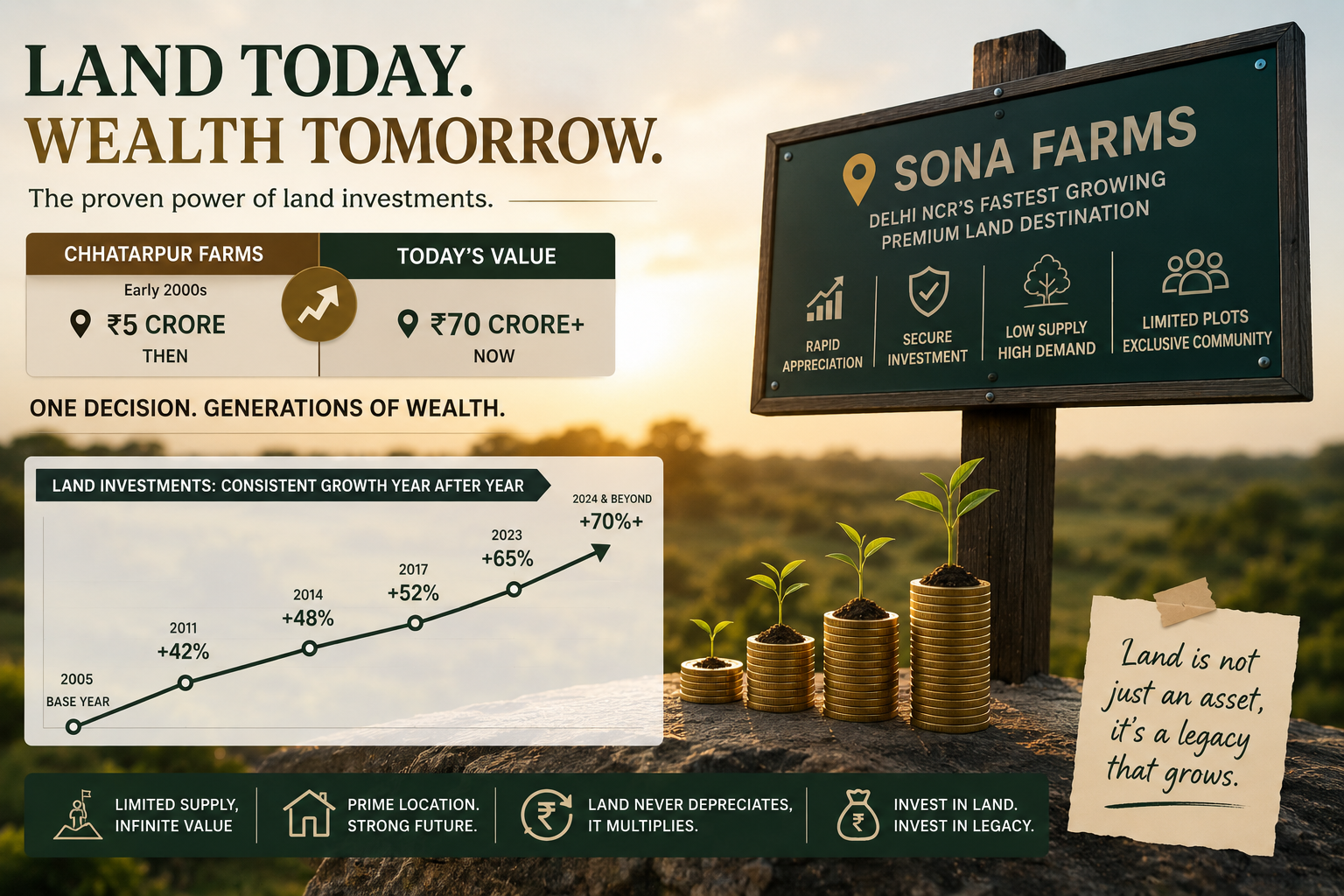
The ₹5 Crore Land Purchase That Became Worth ₹70 Crore
What the Story of DLF Chhatarpur Farms Reveals About Wealth Creation Through Premium Land Ownership
One short email. Stories you can use.
A free, occasional email from our editorial team with our latest features, explainers and reads. Unsubscribe any time — your email stays with us.