Navigating Europe's Retail Fragmentation: How Startups Confront Entrenched Giants
European retail startups face a complex operating environment, characterised by diverse consumer preferences and a fragmented regulatory landscape. Success hinges on a strategic approach to market entry and a clear differentiation against established incumbents and pan-European titans.

The sight of a new Vinted advertisement on a Warsaw tram or a brightly branded Flink delivery scooter zipping through a Berlin street underscores a persistent ambition among European retail startups: to scale across national borders. While the promise of a unified European market is potent, the reality for emerging businesses often involves navigating a mosaic of consumer behaviours, regulatory frameworks, and entrenched competition. This dynamic poses both significant hurdles and distinct opportunities for innovation within the continent's commerce landscape.
For new entrants, the challenge extends beyond simply building a compelling product or service. They must contend with an ecosystem where national champions like Carrefour in France, REWE in Germany, and Allegro in Poland command significant market share. Simultaneously, pan-European digital players such as Zalando and Bol.com (strong in the Benelux region) have already carved out substantial digital footprints, often through sophisticated logistics and customer acquisition strategies that are difficult to replicate.
Early attempts at rapid, widespread expansion by some rapid grocery delivery platforms, notably Gorillas, illustrated the peril of underestimating this complexity. While initial venture capital injections fuelled aggressive growth, the path to profitability proved elusive in multiple markets. This experience served as a cautionary tale regarding the capital intensity required to dislodge established shopping habits and delivery networks, particularly in competitive urban centres.
Localisation as a Strategic Imperative
Many successful startups have learned that a 'one-size-fits-all' approach rarely translates effectively across the Rhine or the Pyrenees. Consumer preferences, particularly in sectors like food and fashion, exhibit strong regional variations. A marketing campaign resonating with a French audience may fall flat in Sweden, necessitating deep cultural understanding and adaptable product assortments. For instance, while digital payments are ubiquitous across the EU, preferred methods can differ, requiring bespoke integration.
Consider the distinct retail environments. Germany, with its strong discount supermarket culture exemplified by Lidl, presents a different competitive scenario than Italy, where local grocers and traditional markets retain significant cultural importance. Startups aiming for broad European penetration must thus balance central efficiency with local responsiveness, investing in distinct teams and partnerships for key markets.
The allure of a vast, single market can mask the underlying national particularities that ultimately determine a venture's success or failure. Strategic patience and granular market insight are more valuable than aggressive, undifferentiated expansion.
Capitalising on Niche and Digital Efficiencies
Despite the challenges, the European market continues to foster innovation. Startups that identify underserved niches or leverage digital efficiencies to create distinct value propositions often find paths to growth. Vinted, for example, successfully tapped into the circular economy trend for fashion, creating a robust peer-to-peer platform that scaled across numerous European countries, including France, Spain, and Germany, by focusing on community and cost-effectiveness rather than direct competition with fast fashion retailers.
Furthermore, the increasing sophistication of cross-border logistics and payment infrastructure can lower the barrier to entry for digitally native brands. While establishing physical presence remains costly, e-commerce platforms can increasingly reach customers across borders with greater ease, providing an avenue for testing market demand before committing to larger-scale investments. This flexibility allows for iterative growth, focusing on specific regional clusters before attempting pan-continental dominance.
Ultimately, the European retail landscape for startups is not a level playing field but a series of distinct pitches. Success requires not merely capital and ambition, but a nuanced understanding of local dynamics, a commitment to strategic localisation, and the agility to adapt business models to varied consumer expectations and competitive pressures. The ambition to scale across Europe persists, but the blueprint for achieving it has evolved, favouring considered expansion over unbridled velocity.
News Legacy maintains editorial independence. Some recommendations may contain affiliate links. We earn from qualifying purchases at no additional cost to you. Read our policy.
Read Next

Is Sohna Really the Next Chhatarpur?
Three decades after Chhatarpur redrew South Delhi's map for space, privacy and exclusivity, a familiar pattern is now taking shape further south, and Sohna is where the smart money is beginning to look.
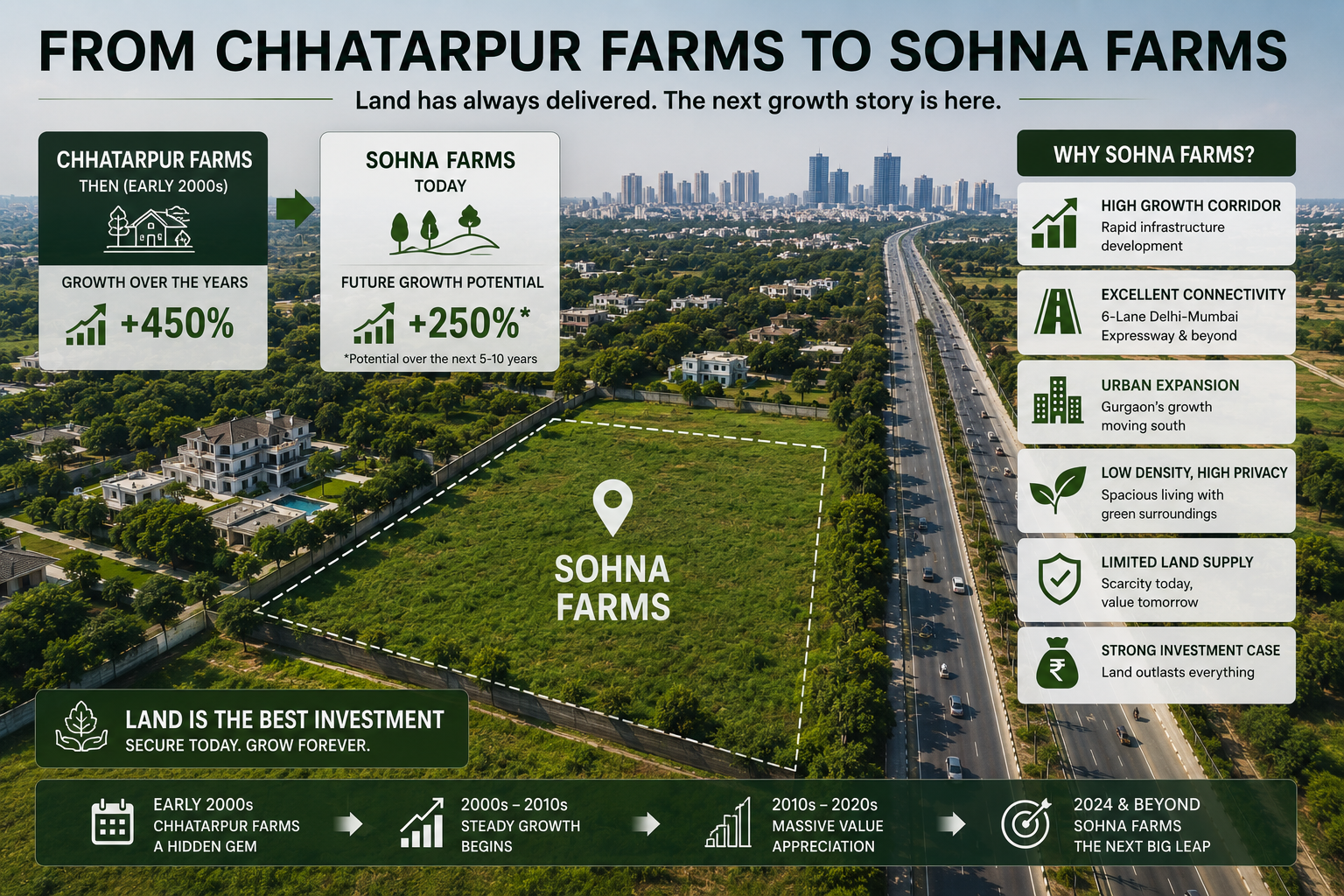
How Chhatarpur Farmhouses Created Multi-Crore Wealth for Early Buyers
What a quiet corner of South Delhi can teach investors about land, scarcity, and long-term wealth creation.
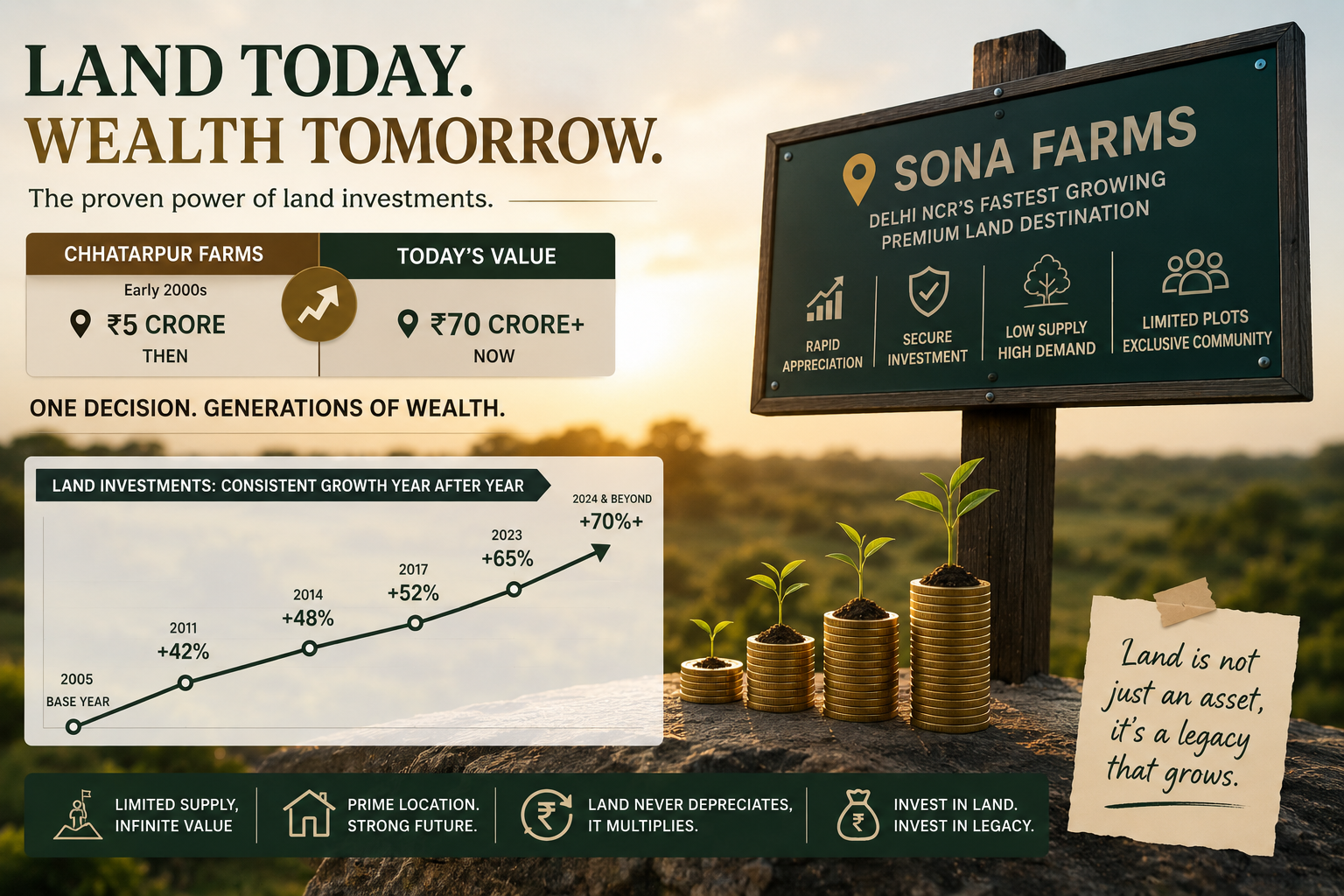
The ₹5 Crore Land Purchase That Became Worth ₹70 Crore
What the Story of DLF Chhatarpur Farms Reveals About Wealth Creation Through Premium Land Ownership
One short email. Stories you can use.
A free, occasional email from our editorial team with our latest features, explainers and reads. Unsubscribe any time — your email stays with us.