Navigating the Patchwork: European Marketplaces Confront Cross-Border Friction
The ambition for a unified digital market across Europe frequently encounters national preferences and logistical complexities, hindering seamless growth for both established platforms and ambitious newcomers. Local nuances continue to dictate the pace of integration.

When a German consumer orders apparel from Zalando, the transaction often proceeds with the frictionless ease of a domestic purchase, despite the item potentially originating from a warehouse in Poland or fulfilling an order from a different EU member state. This apparent fluidity belies a more fragmented reality for many other European marketplace operators striving to expand beyond their home territories, where national preferences and diverse regulatory frameworks pose persistent challenges to continental harmonisation.
The European marketplace landscape, while dominated in some sectors by global behemoths, features a robust array of indigenous players each commanding significant regional strength. Allegro, for instance, holds a near-monopoly in Poland, while Cdiscount maintains a strong foothold in France. Bol.com is synonymous with online retail in the Netherlands and Belgium. Yet, extending these successes across borders often proves more complex than replicating a successful business model.
Initial forays by certain players have illustrated this difficulty. Gorillas' rapid expansion and subsequent strategic retreat from several European markets, culminating in its acquisition by Getir, underscored the capital-intensive nature of building last-mile delivery infrastructure and the varying consumer appetites for ultra-fast grocery delivery across the continent. Similarly, Flink has faced the formidable task of scaling profitably in a highly competitive sector.
The Endurance of Local Preferences
Despite the EU's single market initiatives, cultural distinctions and entrenched consumer habits remain powerful determinants of success. Shoppers in Spain might prioritise cash-on-delivery options or local pick-up points, whereas German consumers often expect detailed product information and robust return policies. This necessitates significant localisation efforts, from payment gateways and language support to marketing strategies and logistical partnerships, making truly scalable cross-border operations an intricate endeavour.
The notion of a singular European consumer is a fallacy; success hinges on understanding and adapting to a myriad of distinct national purchasing behaviours and expectations.
Even categories that appear universally appealing, such as second-hand fashion, exhibit these differences. Vinted, headquartered in Lithuania, has demonstrated impressive growth across numerous European countries, yet its approach required careful adaptation to local trends and community dynamics, rather than a one-size-fits-all deployment. The platform's success suggests that while the underlying value proposition is pan-European, its execution must be granular.
Traditional retailers are also attempting to carve out their digital marketplace niches. Carrefour in France and REWE in Germany are developing their own online platforms, leveraging existing supply chains and brand recognition. Their challenge is to move beyond a simple online store model to an open marketplace capable of hosting third-party sellers, a strategic shift that requires substantial technological investment and a different operational mindset.
The Cost of Cross-Border Logistics and Compliance
The operational complexities of selling across borders within the EU, despite the absence of tariffs, are substantial. Varying VAT rates, consumer protection laws, environmental regulations, and packaging waste directives create a labyrinth for sellers. For marketplaces, this translates into the need for sophisticated compliance tools and robust support systems for their merchants. Small and medium-sized enterprises, in particular, often cite these regulatory hurdles as significant barriers to international expansion.
The pursuit of deeper integration continues, with initiatives aimed at simplifying VAT for cross-border e-commerce and harmonising digital service regulations. However, the commercial reality for marketplaces operating across France, Germany, Italy, Spain, and the Nordic countries suggests that true continental consolidation remains a long-term aspiration, continually mediated by the enduring strength of national identities and market specificities.
News Legacy maintains editorial independence. Some recommendations may contain affiliate links. We earn from qualifying purchases at no additional cost to you. Read our policy.
Read Next

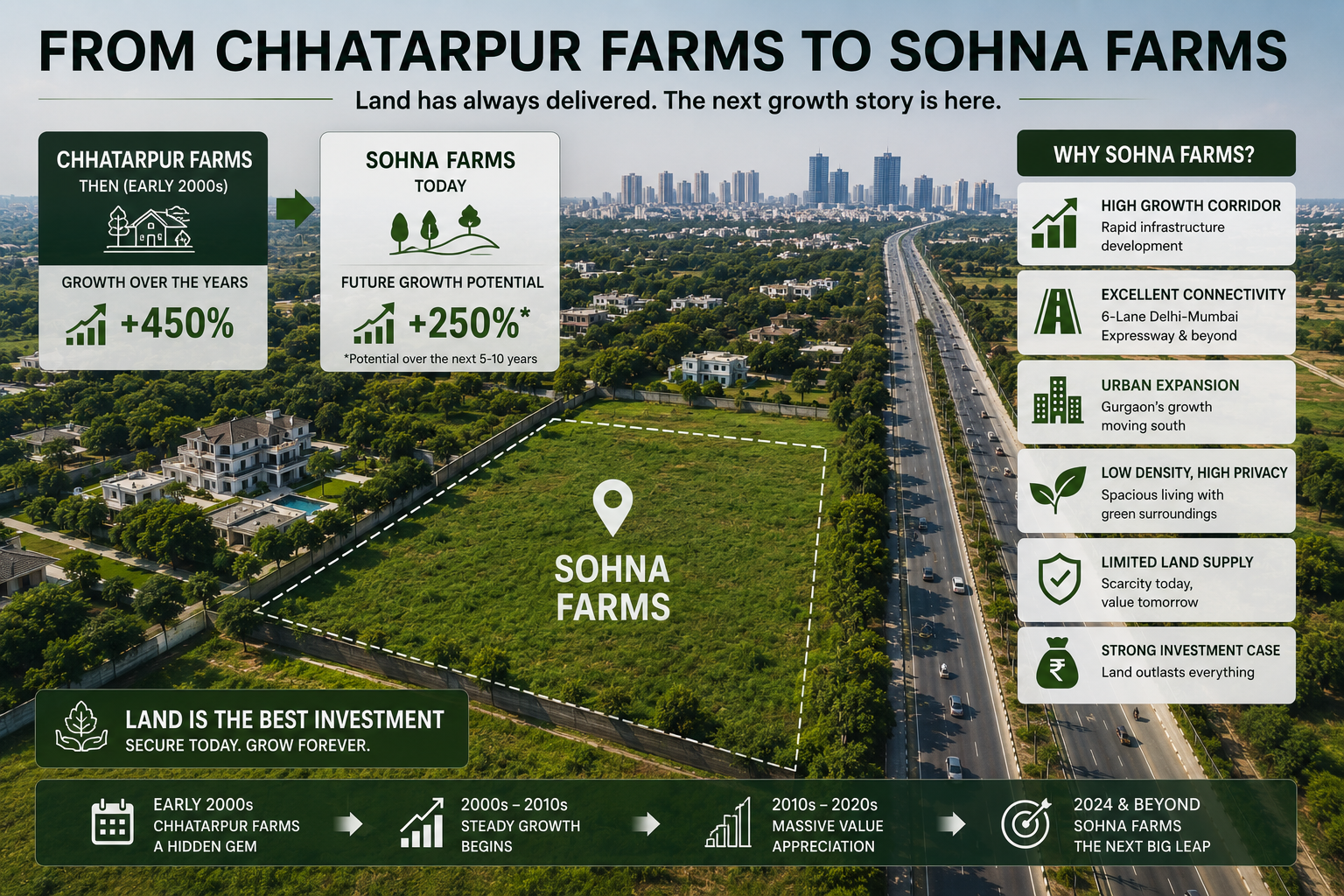
Is Sohna Really the Next Chhatarpur?
Three decades after Chhatarpur redrew South Delhi's map for space, privacy and exclusivity, a familiar pattern is now taking shape further south, and Sohna is where the smart money is beginning to look.
How Chhatarpur Farmhouses Created Multi-Crore Wealth for Early Buyers
What a quiet corner of South Delhi can teach investors about land, scarcity, and long-term wealth creation.

The ₹5 Crore Land Purchase That Became Worth ₹70 Crore
What the Story of DLF Chhatarpur Farms Reveals About Wealth Creation Through Premium Land Ownership
One short email. Stories you can use.
A free, occasional email from our editorial team with our latest features, explainers and reads. Unsubscribe any time — your email stays with us.