Navigating the Patchwork: Europe's Retail Tech Sector Consolidates Amidst Local Digital Divides
European retail technology faces a complex landscape of fragmented consumer preferences and varied regulatory frameworks. The sector is witnessing a strategic consolidation as players seek efficiencies and scale across diverse national markets.

The former Berlin headquarters of Gorillas, once a symbol of rapid grocery delivery's audacious ascent, now stands as a stark reminder of the sector's volatile trajectory. While the venture's German operations were ultimately acquired by competitor Flink, its rapid expansion and subsequent retrenchment underscore a persistent challenge in European retail tech: achieving profitable scale across a continent marked by distinct national shopping habits, regulatory nuances, and logistical complexities. This dynamic is currently shaping a wave of consolidation and re-evaluation across the entire European retail technology ecosystem.
Unlike the relatively uniform digital commerce landscape in the United States, Europe presents a patchwork. Consumers in France might favour Cdiscount for general merchandise, while Polish shoppers gravitate towards Allegro, and the Netherlands sees Bol.com dominating. Even within grocery, giants like Carrefour in France and Spain or REWE and Lidl in Germany operate with significant localised strategies, making a pan-European digital playbook difficult to implement without substantial adaptation.
This fragmentation has historically fostered numerous national champions, yet the increasing cost of technology development and the fierce competition from global players are forcing a rethink. Companies are increasingly exploring cross-border synergies, not necessarily through direct competition in every market, but via strategic partnerships, acquisitions, or by leveraging unique platform advantages. The fashion e-tailer Zalando, for instance, has demonstrated success in scaling across multiple European territories, leveraging a strong logistical backbone and adaptable local marketing.
The Pressure for Pan-European Platforms
The aspiration for broader reach is palpable. Companies like Vinted, the Lithuanian-founded second-hand fashion platform, have successfully cultivated a robust user base across more than 20 markets, including Germany, France, and Spain. Their model demonstrates that a unified technological infrastructure, combined with community-driven engagement, can surmount some of the inherent national barriers. However, their success also highlights the importance of a compelling, globally relevant value proposition that transcends specific local product preferences.
For traditional retailers, the integration of advanced technologies, from artificial intelligence for inventory management to hyper-personalised customer experiences, is no longer optional. Investment in these areas demands significant capital, often making it more viable for larger entities or through collaborative ventures. The average European grocery chain, for example, might struggle to independently fund the sophisticated dark stores and last-mile delivery networks that players like Flink have developed, even if imperfectly.
Navigating Regulatory Complexity and Consumer Data
One of the most significant considerations for any retail technology expanding across the EU is the labyrinth of national regulations, particularly concerning data privacy and consumer protection. While GDPR provides a foundational framework, specific national implementations can vary, requiring bespoke legal and operational adjustments. This regulatory overhead adds a layer of cost and complexity that can deter smaller tech innovators from expanding beyond their home markets, inadvertently favouring larger, better-resourced players.
The ongoing evolution of digital infrastructure and consumer expectations across Europe necessitates strategic investments that prioritise adaptability and local relevance alongside technological prowess.
The result is a landscape where mergers and acquisitions are becoming more common. Smaller, innovative tech firms often find themselves targets for larger retailers seeking to rapidly acquire capabilities or market share. Conversely, some legacy retailers are divesting non-core digital assets to focus on their primary operations. This consolidation is likely to create a smaller number of powerful pan-European retail tech ecosystems, each vying for dominance by offering integrated solutions that can navigate the continent’s intricate commercial geography.
The long-term trajectory points towards a European retail sector increasingly defined by hybrid models. These will combine the digital efficiency and scale of pan-European platforms with the essential local understanding and physical presence of traditional players. The capacity to harmonise these elements, rather than simply replicating models from other continents, will ultimately determine success in this diverse and demanding market.
News Legacy maintains editorial independence. Some recommendations may contain affiliate links. We earn from qualifying purchases at no additional cost to you. Read our policy.
Read Next

Is Sohna Really the Next Chhatarpur?
Three decades after Chhatarpur redrew South Delhi's map for space, privacy and exclusivity, a familiar pattern is now taking shape further south, and Sohna is where the smart money is beginning to look.
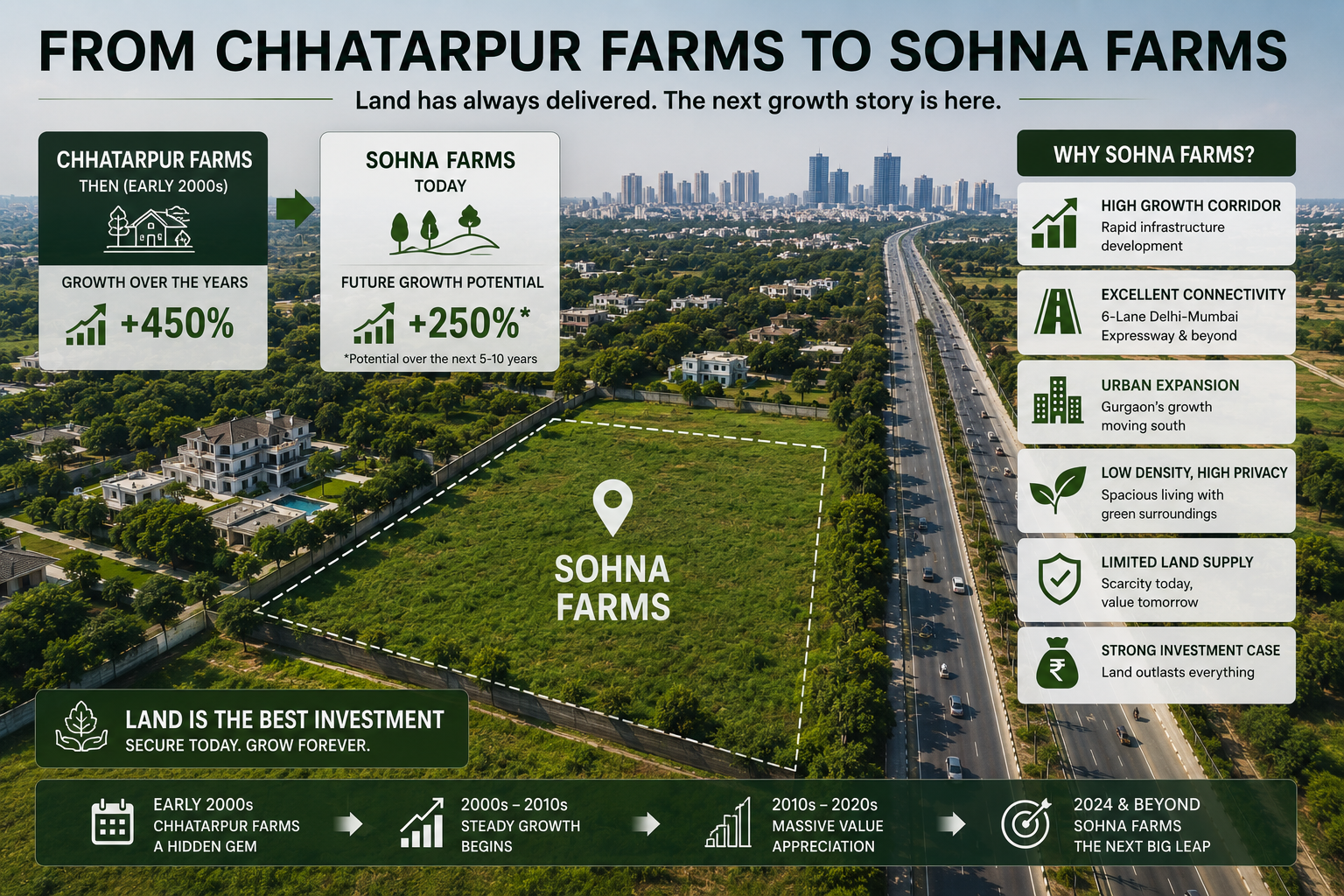
How Chhatarpur Farmhouses Created Multi-Crore Wealth for Early Buyers
What a quiet corner of South Delhi can teach investors about land, scarcity, and long-term wealth creation.
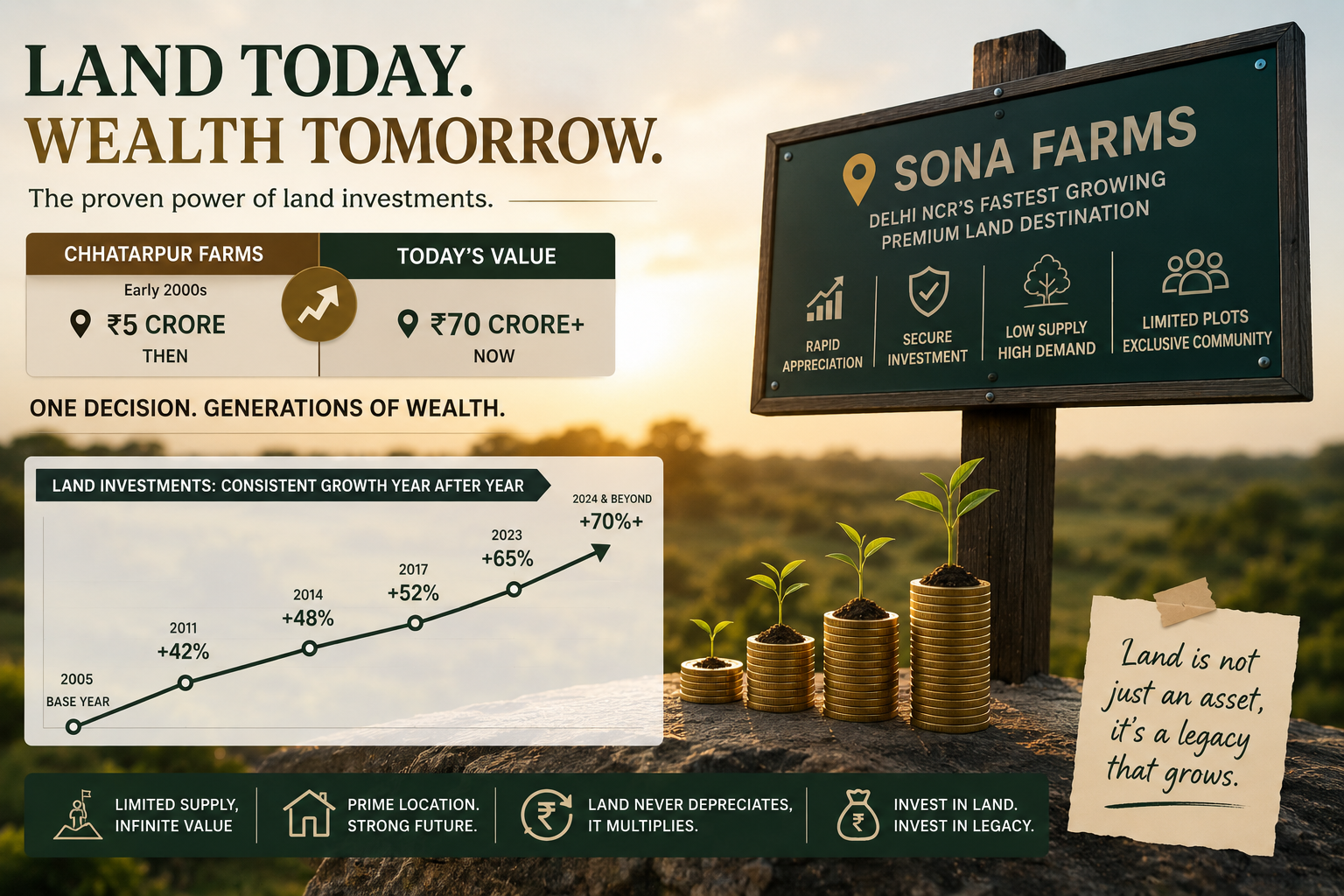
The ₹5 Crore Land Purchase That Became Worth ₹70 Crore
What the Story of DLF Chhatarpur Farms Reveals About Wealth Creation Through Premium Land Ownership
One short email. Stories you can use.
A free, occasional email from our editorial team with our latest features, explainers and reads. Unsubscribe any time — your email stays with us.