Niche Appeal: UK Retail Startups Find Traction Amidst Sector Turmoil
Despite a challenging economic landscape and fierce competition from established giants, a new wave of British retail startups is carving out distinct market segments, prioritising agility and a granular understanding of consumer needs over scale.

While high street stalwarts like Marks & Spencer and Tesco continue to recalibrate their extensive operations for a new economic reality, a more nimble contingent of retail newcomers is demonstrating resilience. These nascent enterprises, often operating with leaner capital structures and a direct-to-consumer approach, are bypassing traditional retail friction points to connect with specific consumer demographics, frequently leveraging digital channels as their primary storefront.
This phenomenon reflects a broader shift in consumer appetite. British shoppers, increasingly discerning and often facing tighter household budgets, are exhibiting a growing willingness to explore brands that offer perceived value, ethical sourcing, or a highly personalised experience. This contrasts with the broad-brush offerings that characterised much of the 2010s, pushing larger incumbents like ASOS and Next to continually refine their own market propositions.
Consider the emergent popularity of subscription boxes for niche products, or online marketplaces specialising in artisan goods. These models directly address consumer fatigue with mass-market uniformity, providing curated selections that traditional supermarkets, even those with extensive online operations like Ocado, struggle to replicate with the same level of specificity. Smaller, independent brands can pivot faster, introducing new product lines or adjusting pricing strategies with greater alacrity than larger, more bureaucratic organisations.
Navigating the Cost-of-Living Squeeze
The current inflationary environment, with persistent high costs of living, presents a dual challenge and opportunity. On one hand, discretionary spending has contracted, pressuring all retailers. On the other, it has amplified demand for perceived value, not necessarily just the cheapest option, but products that offer durability, unique provenance, or a superior experience for the price. Startups are frequently capitalising on this by focusing on product quality and transparent pricing rather than constant discounting, which has long been a strategy for volume-driven players.
For instance, food delivery services, pioneered by disruptors like Deliveroo and Just Eat, have recently faced scrutiny regarding rider welfare and unit economics. Newer food-based startups, however, are exploring models centered on local sourcing, direct farmer-to-consumer links, or meal-kit delivery with a strong ethical or dietary focus, differentiating themselves beyond mere convenience.
The agility of smaller operations allows for rapid experimentation with pricing, product mixes, and even supply chain adaptations, a critical advantage when consumer sentiment can shift quarterly.
Investment in these smaller ventures, while not matching the peak valuations seen a few years ago, remains robust for those demonstrating clear differentiation and a viable path to profitability. Venture capital firms are increasingly scrutinising business fundamentals, favouring models with strong unit economics and a demonstrable market fit over mere growth at all costs. This more disciplined approach is shaping a healthier, albeit slower-growing, ecosystem for UK retail innovation.
The sustained pressure on household incomes means that while convenience remains a factor, particularly in urban areas, the value proposition is paramount. Startups that can deliver a compelling product or service at a competitive price, while maintaining authentic connections with their customer base, are proving to be the most resilient. Their success is less about outcompeting giants on scale, and more about redefining what modern retail can offer in specific, underserved niches.
Ultimately, the evolution of the UK retail landscape is no longer solely dictated by the movements of its largest players. A dynamic undercurrent of innovative startups is continually testing new models, responding to granular consumer demands, and ultimately contributing to a more diverse and adaptable retail economy.
News Legacy maintains editorial independence. Some recommendations may contain affiliate links. We earn from qualifying purchases at no additional cost to you. Read our policy.
Read Next

Is Sohna Really the Next Chhatarpur?
Three decades after Chhatarpur redrew South Delhi's map for space, privacy and exclusivity, a familiar pattern is now taking shape further south, and Sohna is where the smart money is beginning to look.
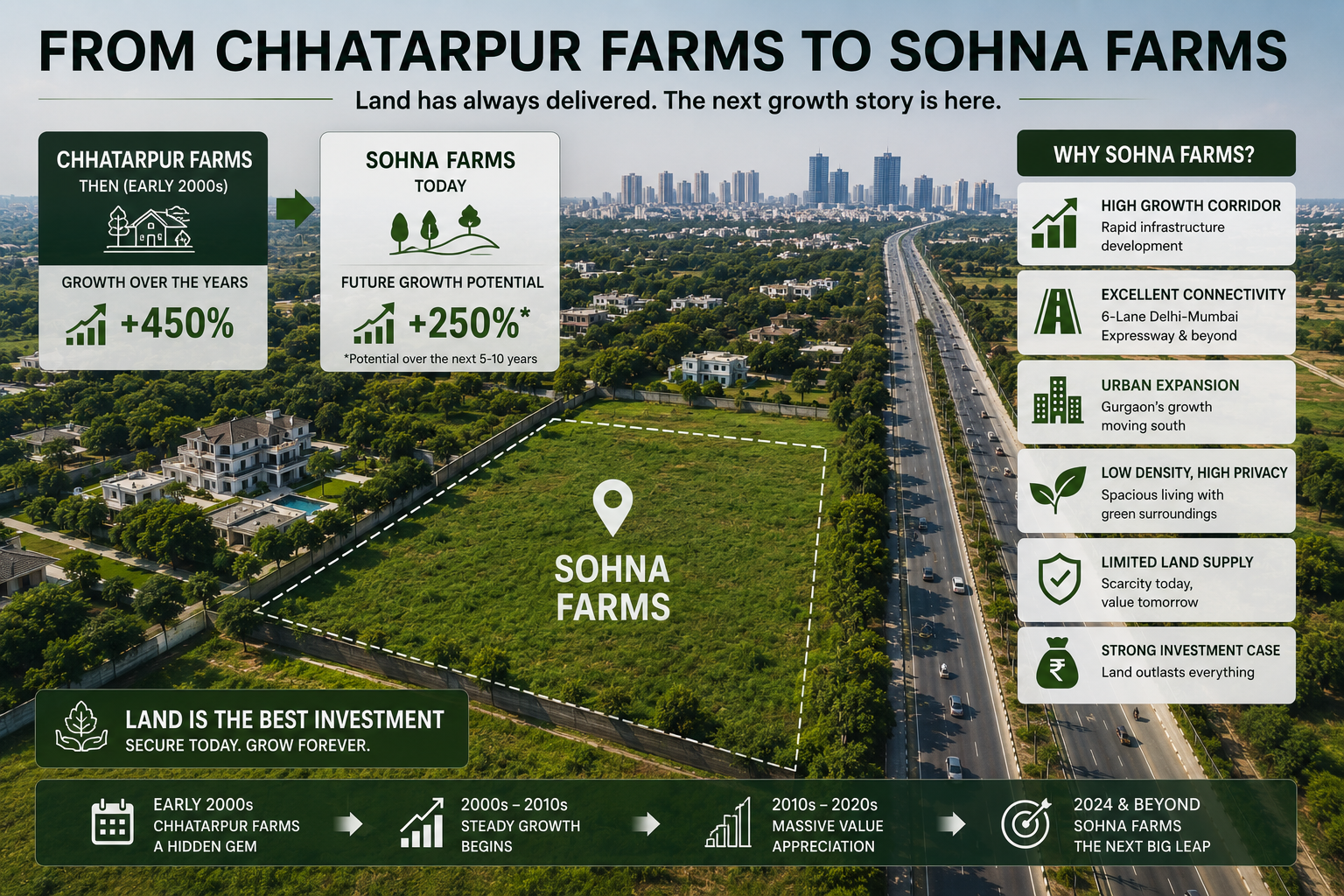
How Chhatarpur Farmhouses Created Multi-Crore Wealth for Early Buyers
What a quiet corner of South Delhi can teach investors about land, scarcity, and long-term wealth creation.
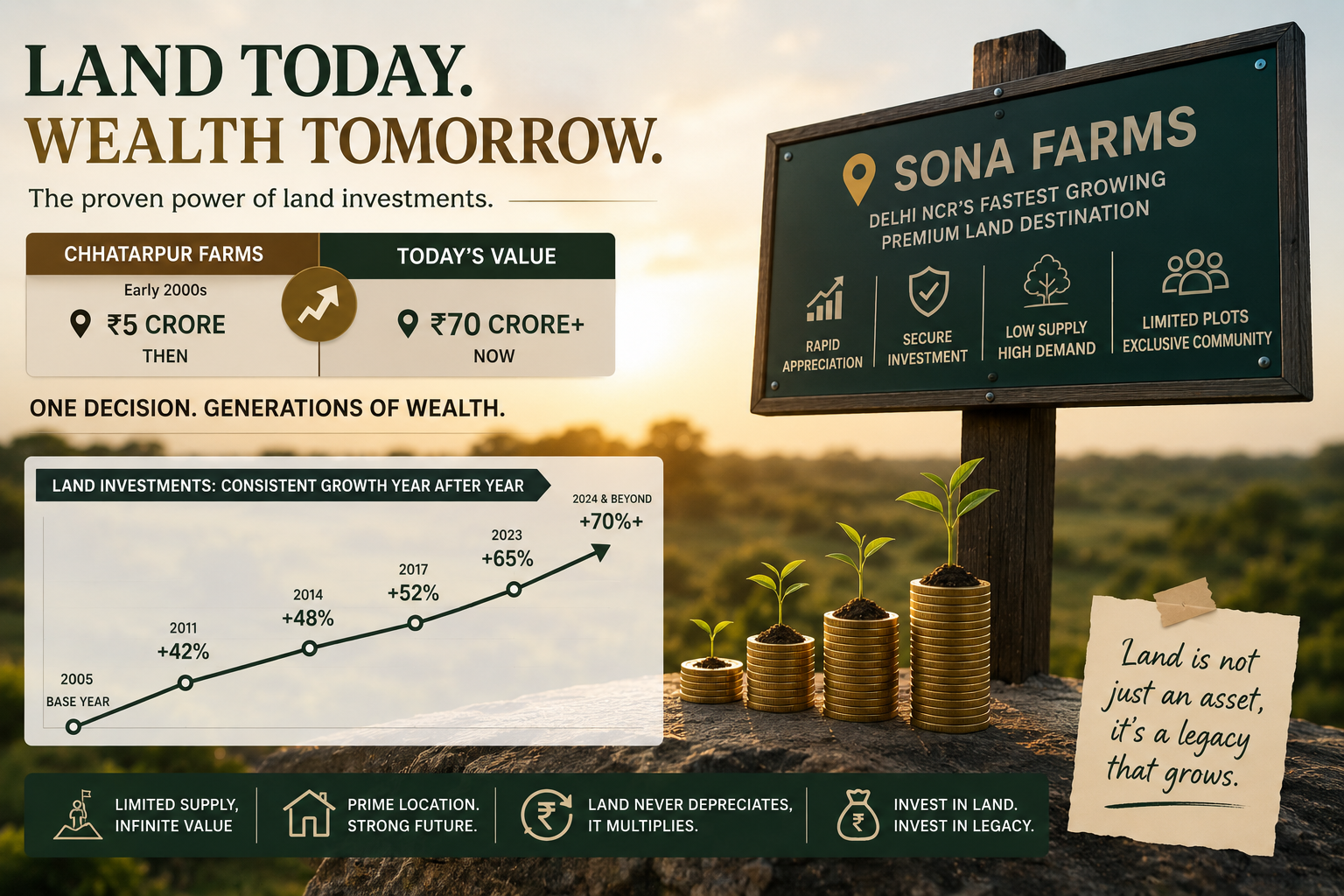
The ₹5 Crore Land Purchase That Became Worth ₹70 Crore
What the Story of DLF Chhatarpur Farms Reveals About Wealth Creation Through Premium Land Ownership
One short email. Stories you can use.
A free, occasional email from our editorial team with our latest features, explainers and reads. Unsubscribe any time — your email stays with us.