Ocado and the Last Mile: The Unfolding Economics of UK Online Grocery Delivery
While online grocery penetration has surged in the UK, the intricate logistics and soaring operational costs are now prompting a reassessment of its long-term viability for retailers beyond the pandemic-induced boost.

At a purpose-built customer fulfilment centre in Erith, south-east London, Ocado's automated systems sort hundreds of thousands of items daily. This sophisticated infrastructure, a hallmark of the UK's most advanced online grocer, underpins a significant portion of its sales. Yet, despite technological prowess and a customer base accustomed to digital ordering, reaching the customer's doorstep remains a complex and expensive endeavour, presenting a strategic challenge for the entire sector.
The pandemic irrevocably shifted consumer habits, accelerating a trend towards online grocery shopping that had previously seen gradual uptake. UK households, confined to their homes, embraced the convenience of home delivery. Data from Kantar Worldpanel indicated that online's share of the grocery market peaked at around 15% during lockdowns, a notable jump from pre-2020 levels of approximately 7%. Even with the return to normal footfall, this share has stabilised at a higher plateau, suggesting a lasting behavioural change.
The Cost Conundrum
However, the economics of this convenience are far from straightforward. Traditional supermarket models, optimised for in-store footfall and impulse purchases, struggle to adapt profitably to individual home deliveries. Picking orders from store shelves, a common practice for many retailers like Tesco and Sainsbury's who lack dedicated fulfilment centres like Ocado's, introduces inefficiencies. Staff navigating busy aisles for online orders compete with in-store shoppers, leading to slower pick times and potential mistakes.
The 'last mile' – the journey from the distribution hub to the customer's home – represents the most significant cost component. Fuel prices, vehicle maintenance, and driver wages collectively exert substantial pressure on margins. Deliveroo and Just Eat, while primarily restaurant delivery platforms, offer a glimpse into the thin margins and intense competition within the urban logistics sector. For grocery, the average basket size is larger, but the delivery window expectations are longer, compressing the potential for route optimisation.
Ocado's partnership with Marks & Spencer, while expanding reach, also highlights the capital intensity of its model. Billions have been invested in automated warehouses and proprietary software. While these offer superior efficiency compared to manual picking, the upfront expenditure and ongoing maintenance are substantial, requiring significant scale to amortise effectively. The recent profit warnings from Ocado Group underscore the market's scrutiny of this path to profitability.
The transition from a store-centric to a delivery-centric model demands not merely technological upgrades, but a fundamental re-evaluation of supply chain architecture and pricing strategies.
Strategic Divergence
Faced with these challenges, UK retailers are adopting divergent strategies. Some, like Tesco and Sainsbury's, continue to invest in hybrid models, expanding click-and-collect options which offload some last-mile costs to the consumer. Others are exploring partnerships with rapid delivery services for smaller, immediate needs, blurring the lines between traditional grocery and convenience retail. The pursuit of profitability in online grocery is no longer solely about market share, but about achieving operational leverage.
The UK’s high population density and established logistics networks offer potential advantages for online grocery, but urban congestion and increasing environmental regulations present their own set of hurdles. As consumers become more discerning about delivery fees and minimum order values, retailers face the delicate balancing act of maintaining convenience without eroding profitability. The long-term success of online grocery in the UK will hinge on continued innovation in logistics and a willingness to redefine consumer expectations for the cost of convenience.
News Legacy maintains editorial independence. Some recommendations may contain affiliate links. We earn from qualifying purchases at no additional cost to you. Read our policy.
Read Next
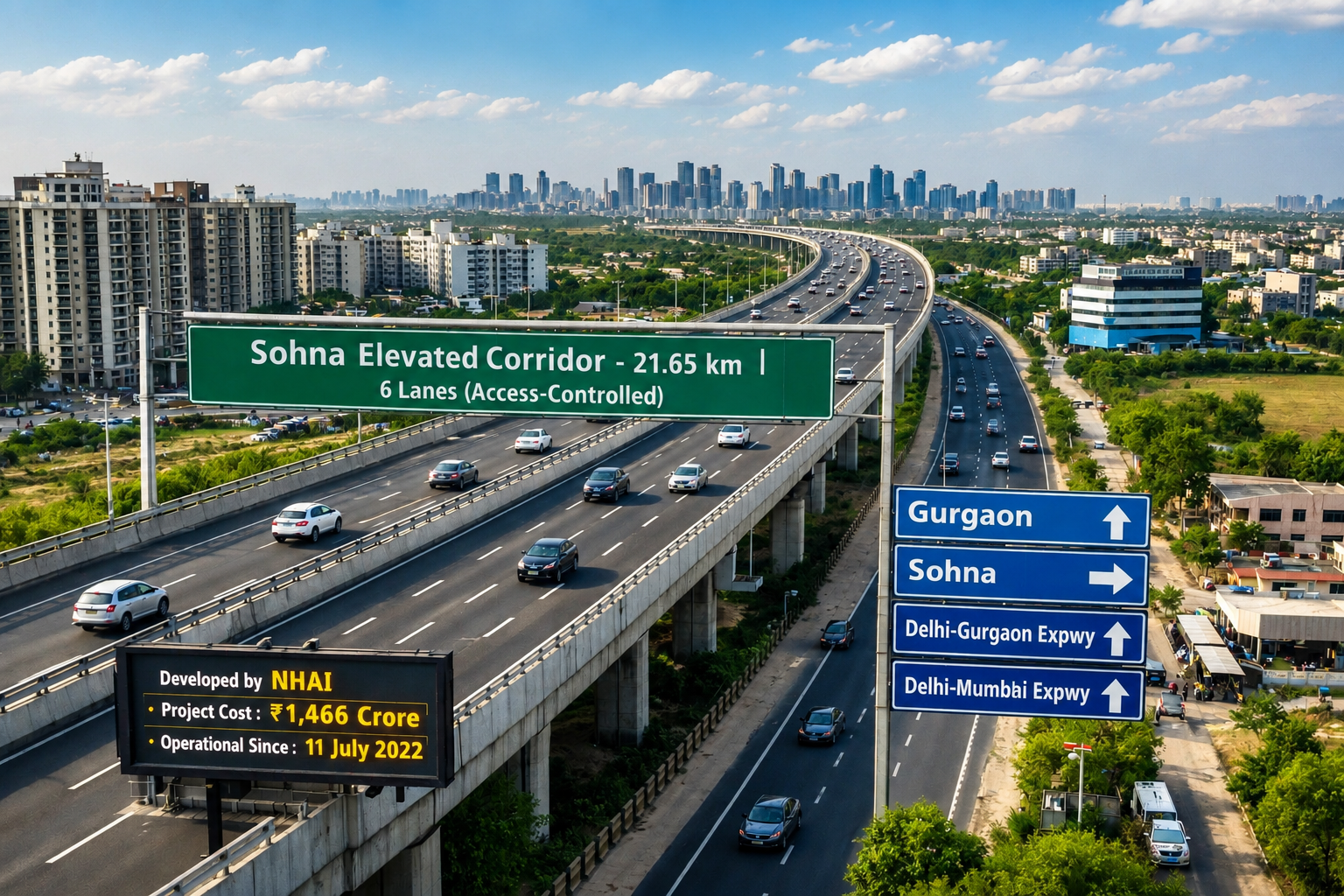
Is Sohna Really the Next Chhatarpur?
Three decades after Chhatarpur redrew South Delhi's map for space, privacy and exclusivity, a familiar pattern is now taking shape further south, and Sohna is where the smart money is beginning to look.
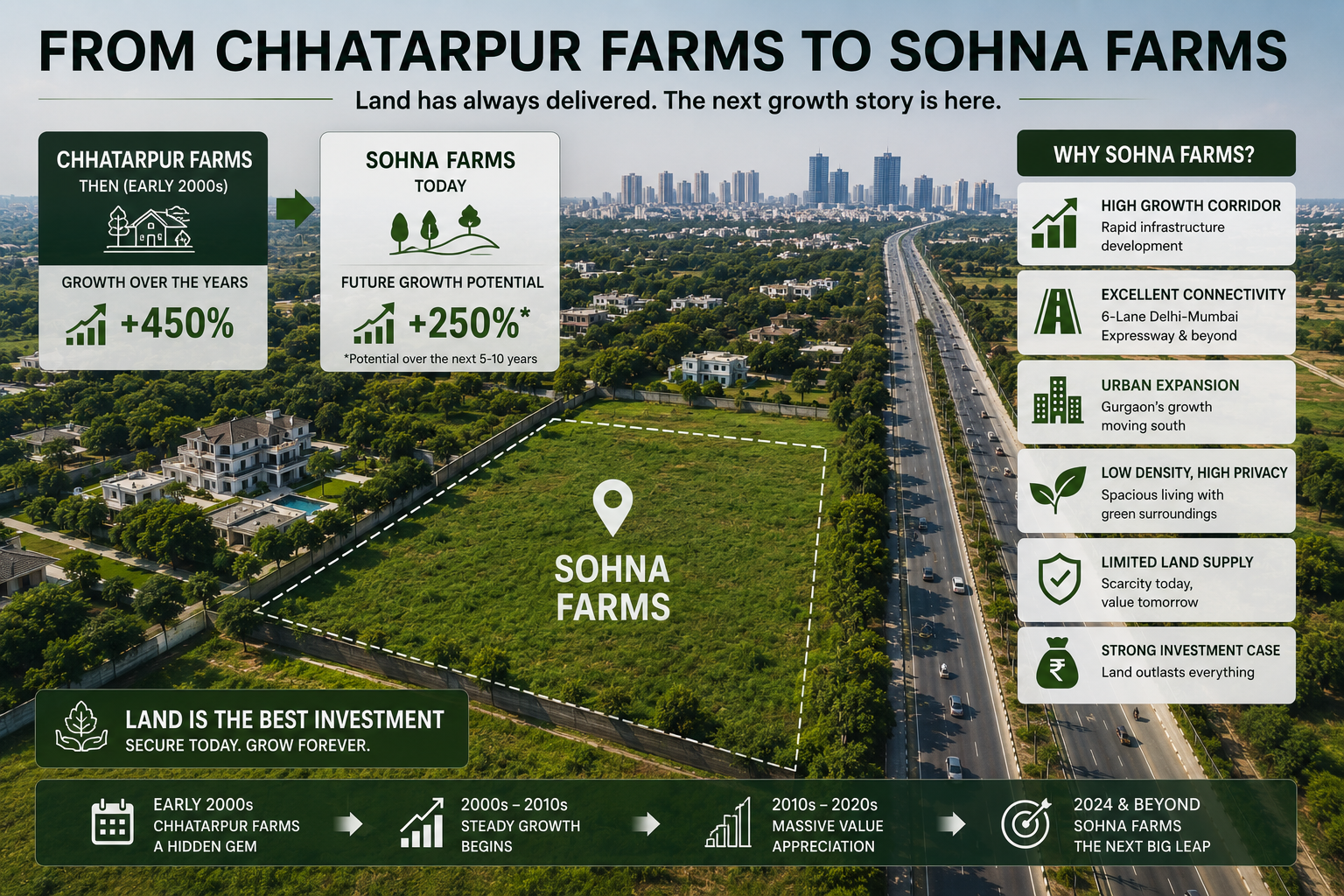
How Chhatarpur Farmhouses Created Multi-Crore Wealth for Early Buyers
What a quiet corner of South Delhi can teach investors about land, scarcity, and long-term wealth creation.
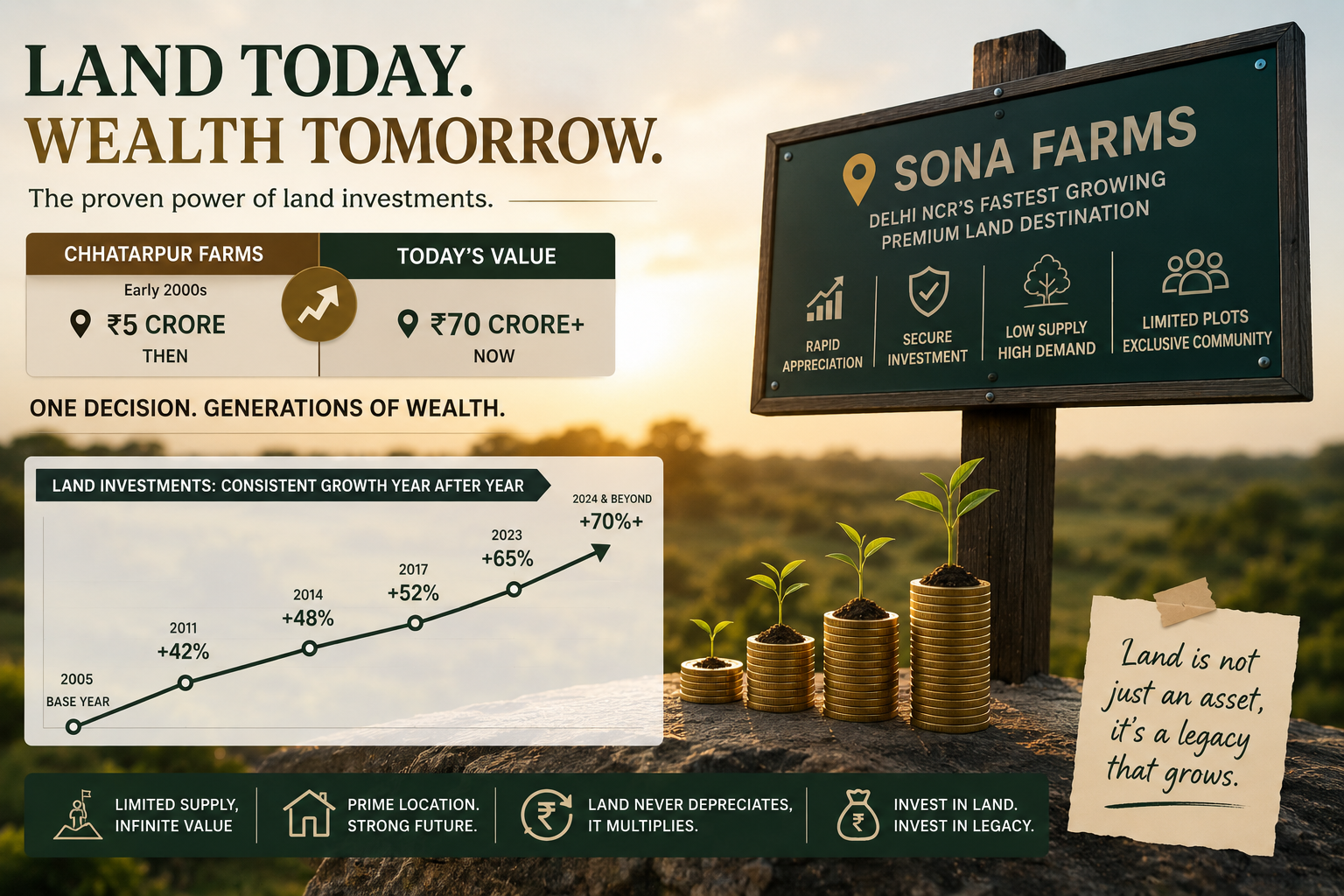
The ₹5 Crore Land Purchase That Became Worth ₹70 Crore
What the Story of DLF Chhatarpur Farms Reveals About Wealth Creation Through Premium Land Ownership
One short email. Stories you can use.
A free, occasional email from our editorial team with our latest features, explainers and reads. Unsubscribe any time — your email stays with us.