Platform Power and the Shifting Retail Calculus for American Brands
As digital storefronts evolve into comprehensive ecosystems, American retailers confront a complex strategic imperative: leveraging platform reach without ceding critical brand autonomy or data insights.

Amazon's recent announcement concerning its burgeoning advertising revenue, now exceeding $40 billion annually, underscores a fundamental shift in the retail landscape. What began as a marketplace has matured into a powerful media owner and an essential, if costly, gatekeeper for countless brands seeking American consumers. This evolution forces a re-evaluation of digital strategy for companies ranging from established CPG giants to emerging direct-to-consumer labels, as they navigate an increasingly intricate web of platform dependencies.
For years, the direct-to-consumer (DTC) model, often underpinned by Shopify's robust infrastructure, offered an appealing alternative to traditional retail channels and marketplace reliance. Brands could cultivate direct relationships, control their narrative, and retain valuable customer data. This approach fostered a sense of independence and allowed for agile product iteration based on first-party insights. However, the escalating costs of customer acquisition via external advertising platforms, coupled with intensifying competition, have made pure DTC a more challenging proposition for sustained growth.
The undeniable gravity of platforms like TikTok Shop further complicates the equation. Its rapid ascent in the US market, driven by powerful algorithmic discovery and integrated shoppable content, represents a formidable new channel. While offering access to a massive, engaged audience, particularly among younger demographics, brands must weigh the potential for significant sales volume against the relinquishment of substantial control over the customer journey and branding experience within a third-party environment.
The Data Imperative vs. Distribution Reach
A central tension arises from the interplay between data ownership and market penetration. Selling through platforms like Amazon or Walmart.com often means sacrificing granular customer data that could inform product development, marketing spend, or loyalty programs. Yet, these platforms offer unparalleled logistical capabilities and reach, essential for competing effectively in a high-volume market. For many mid-sized American brands, optimizing this trade-off has become an existential concern, often dictating their investment in warehousing, fulfillment, and internal data analytics infrastructure.
The strategic dilemma extends to even more niche segments. Instacart, for instance, has become an indispensable conduit for grocery brands and retailers to reach home-bound consumers, particularly since 2020. While offering rapid delivery and convenience, it also positions Instacart as a critical intermediary, collecting data on purchasing patterns and consumer preferences that brands might otherwise aggregate themselves. The value proposition of immediate delivery must be weighed against the long-term strategic implications of such reliance.
The modern brand must view every platform not merely as a sales channel, but as a distinct operating environment with its own rules, costs, and data implications.
Diversification as a Hedge
Consequently, a diversified channel strategy is no longer merely advantageous but essential for many American retailers. This typically involves maintaining a robust owned e-commerce presence (often via Shopify), leveraging major marketplaces for reach and fulfillment, and experimenting with emerging social commerce platforms. Brick-and-mortar strongholds like Costco and Target continue to serve as vital discovery points and trust anchors, even as their digital integration deepens. The objective is to mitigate the risk of over-reliance on any single platform, ensuring business continuity and fostering a balanced approach to consumer engagement.
Ultimately, the trajectory points towards an increasingly fragmented yet interconnected retail ecosystem. Brands that succeed in this environment will be those adept at managing a portfolio of digital relationships, understanding the specific value and cost inherent in each platform, and strategically allocating resources to maintain direct customer connections where it matters most. The power balance remains dynamic, but the imperative for brands to protect their identity and insight, even as they embrace platform reach, has never been clearer.
News Legacy maintains editorial independence. Some recommendations may contain affiliate links. We earn from qualifying purchases at no additional cost to you. Read our policy.
Read Next

Is Sohna Really the Next Chhatarpur?
Three decades after Chhatarpur redrew South Delhi's map for space, privacy and exclusivity, a familiar pattern is now taking shape further south, and Sohna is where the smart money is beginning to look.
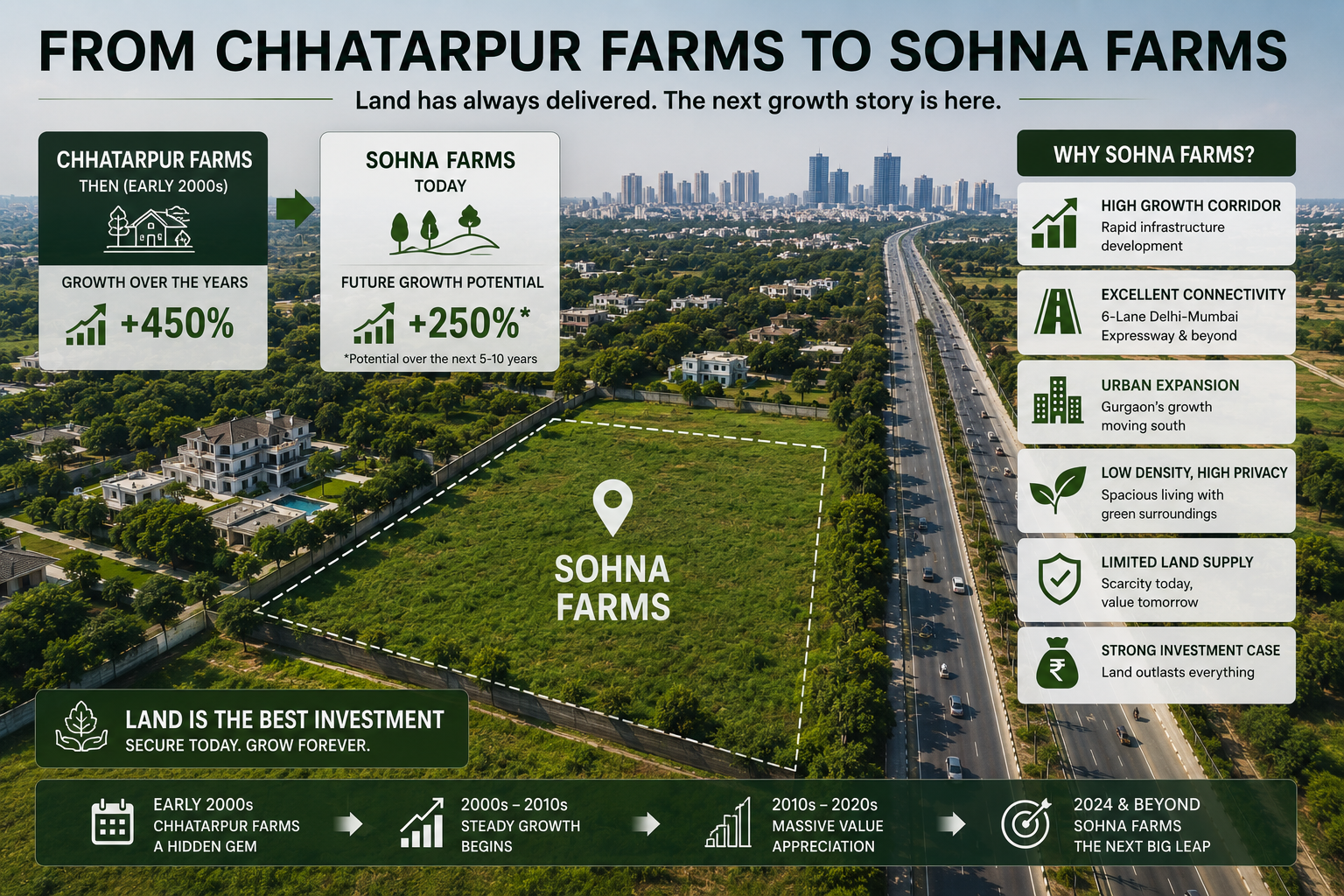
How Chhatarpur Farmhouses Created Multi-Crore Wealth for Early Buyers
What a quiet corner of South Delhi can teach investors about land, scarcity, and long-term wealth creation.
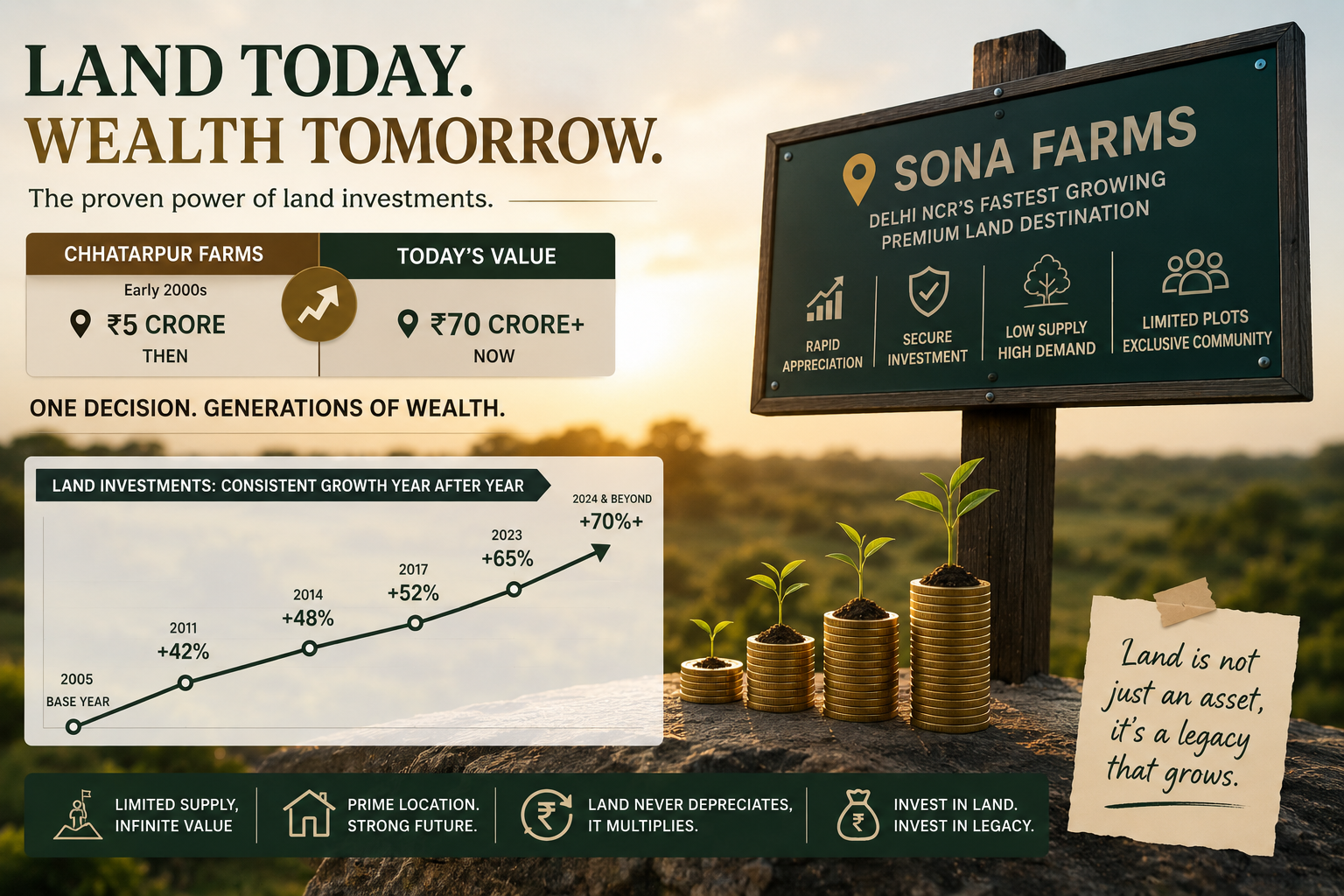
The ₹5 Crore Land Purchase That Became Worth ₹70 Crore
What the Story of DLF Chhatarpur Farms Reveals About Wealth Creation Through Premium Land Ownership
One short email. Stories you can use.
A free, occasional email from our editorial team with our latest features, explainers and reads. Unsubscribe any time — your email stays with us.