Predictive Cartfilling and the Perils of Algorithmic Entrenchment for US Retailers
As artificial intelligence permeates every facet of online commerce, American retailers confront a nuanced challenge: optimizing for convenience without inadvertently narrowing consumer choice and stifling market dynamism.

Amazon's continued dominance in online retail, particularly through its Prime ecosystem, underscores a broader trend reshaping American consumer habits. Increasingly, purchasing decisions are less about active search and more about passive acceptance of algorithmic suggestions. This evolution, fueled by sophisticated AI and machine learning, moves beyond personalized recommendations to a future where retail platforms proactively anticipate and even populate shopping carts, presenting a unique set of strategic considerations for players like Walmart, Target, and Costco.
The transition toward 'predictive cartfilling' signifies a profound shift from a search-and-browse paradigm to a discovery-and-acceptance model. Instacart, for instance, already leverages past purchasing data to suggest entire grocery lists, minimizing the cognitive load on its users. While this ostensibly enhances convenience, it also concentrates the power of product visibility in the hands and algorithms of a few dominant platforms. For a brand not favored by these algorithms, the battle for consumer attention becomes significantly more arduous.
The Data Moat Deepens
Retailers with vast transactional histories possess an undeniable advantage. Walmart, with its sprawling physical footprint and burgeoning e-commerce operations, has access to an immense repository of purchasing patterns, both online and in-store. This data, when analyzed by advanced AI, enables the identification of subtle cross-category correlations and temporal buying habits. The sophistication of these models is accelerating, moving beyond simple 'customers who bought this also bought...' to granular predictions about future needs.
The implications extend to pricing strategies, inventory management, and even product development. Rather than reacting to demand, these AI systems aim to proactively shape it. For direct-to-consumer brands that rely heavily on platforms like Shopify for their storefronts, visibility within these large algorithmic ecosystems becomes a critical, often capital-intensive, challenge.
The subtle nudges of predictive AI, while offering convenience, can inadvertently shape consumer preferences in ways that entrench market leaders and obscure emerging alternatives.
TikTok Shop, a relatively new entrant in the US market, approaches this from a different angle, integrating commerce directly into a social discovery feed. Its algorithm prioritizes engagement and virality, presenting products not necessarily based on explicit search but on observed user behavior and content trends. This offers a potential avenue for novel products to gain rapid traction, but it also means brands must continuously adapt their content strategy to remain relevant within a fast-moving, algorithmically curated environment.
Navigating Algorithmic Biases and Market Concentration
The pervasive influence of AI-driven commerce raises questions about algorithmic bias and market concentration. If predictive models consistently favor established brands or products with high existing sales velocity, new entrants or niche offerings may struggle to achieve visibility, irrespective of their quality or innovation. This reinforces the need for transparency in how these algorithms operate, a challenge given their proprietary nature and competitive value.
For consumers, the trade-off between hyper-convenience and genuine choice becomes increasingly apparent. While the appeal of a pre-populated shopping cart is strong, particularly for routine purchases, an over-reliance on these systems risks narrowing horizons, potentially leading to less exposure to diverse product options or independent brands.
Ultimately, the evolution of AI in American commerce presents a delicate balancing act. Retailers must leverage these powerful tools to enhance efficiency and customer satisfaction, but they also bear a responsibility to foster a healthy, competitive market where innovation can still thrive beyond the algorithmic recommendations of a few dominant players. The strategic choices made today will profoundly shape the landscape of American retail for decades to come.
News Legacy maintains editorial independence. Some recommendations may contain affiliate links. We earn from qualifying purchases at no additional cost to you. Read our policy.
Read Next

Is Sohna Really the Next Chhatarpur?
Three decades after Chhatarpur redrew South Delhi's map for space, privacy and exclusivity, a familiar pattern is now taking shape further south, and Sohna is where the smart money is beginning to look.
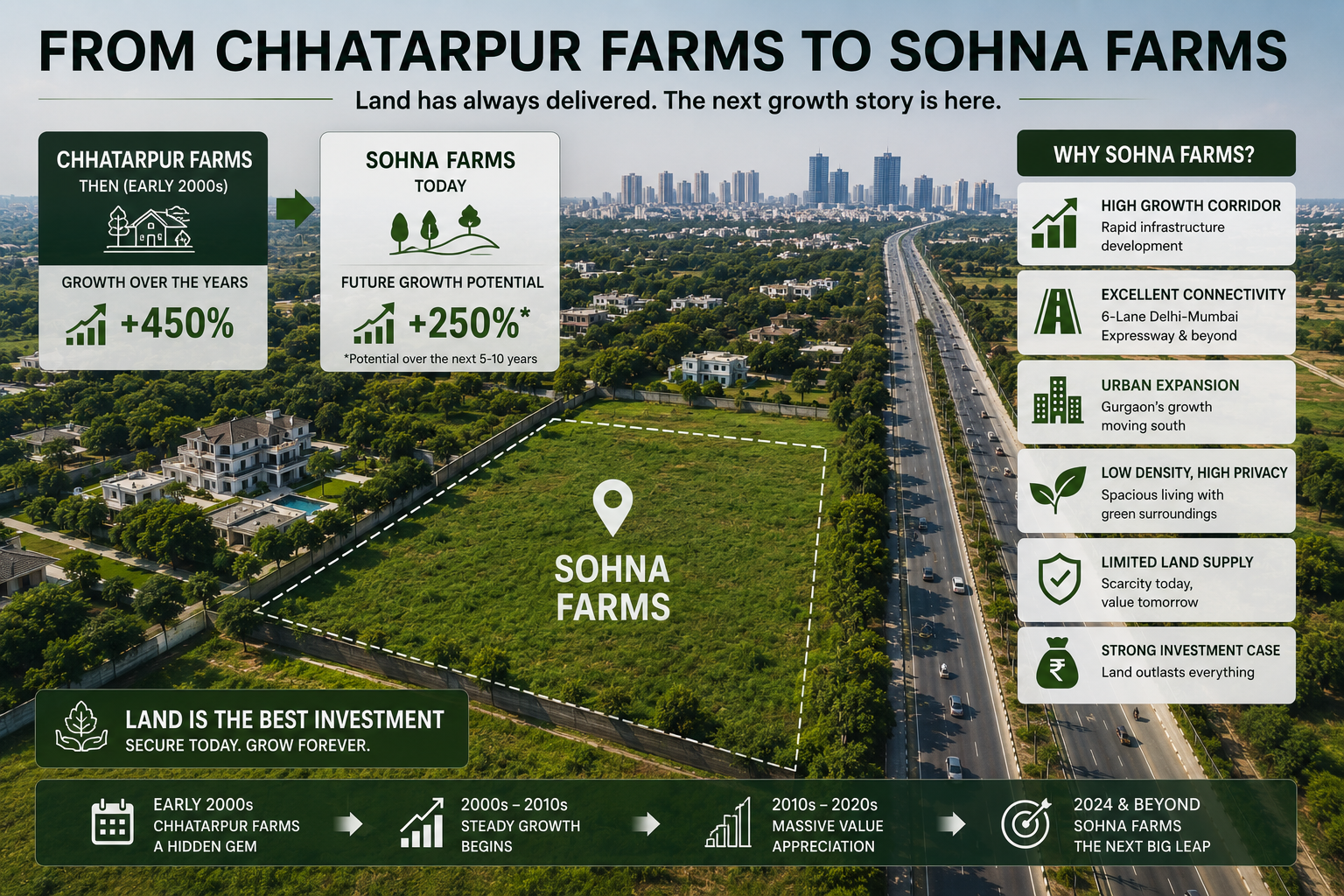
How Chhatarpur Farmhouses Created Multi-Crore Wealth for Early Buyers
What a quiet corner of South Delhi can teach investors about land, scarcity, and long-term wealth creation.
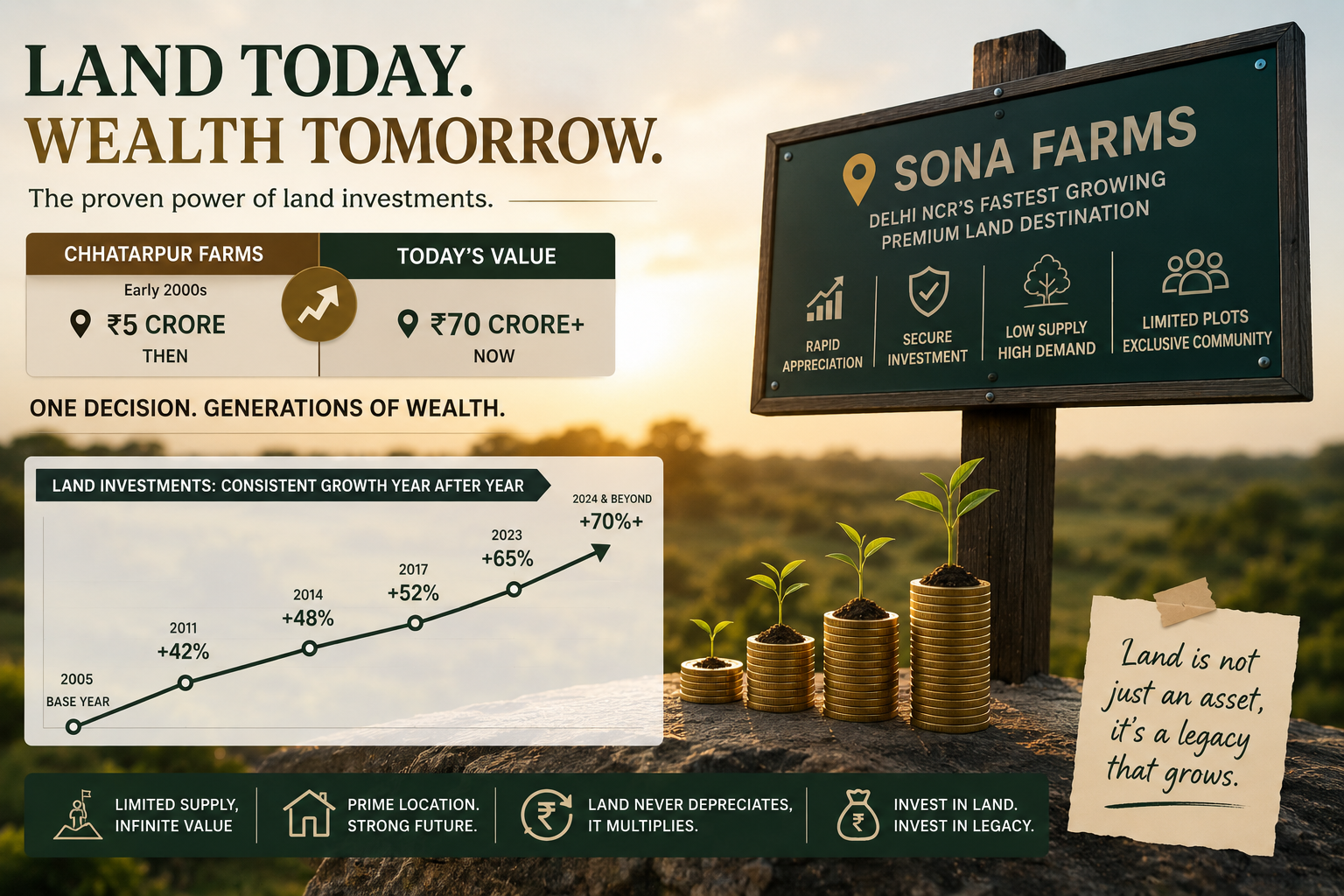
The ₹5 Crore Land Purchase That Became Worth ₹70 Crore
What the Story of DLF Chhatarpur Farms Reveals About Wealth Creation Through Premium Land Ownership
One short email. Stories you can use.
A free, occasional email from our editorial team with our latest features, explainers and reads. Unsubscribe any time — your email stays with us.