Quick Commerce Shifts Focus to Profitability Amid European Consolidation
The rapid expansion of quick commerce across the continent has given way to a more disciplined pursuit of financial viability, as operators recalibrate their strategies in a maturing market.

At a quiet fulfilment centre near Hamburg, a fleet of electric scooters remains largely static, a subtle but significant shift from the frenetic activity that characterised the rapid grocery delivery sector just two years ago. This scene, replicated in varying degrees across European cities from Paris to Warsaw, underscores a pivotal moment for quick commerce. After a period defined by aggressive growth and substantial venture capital inflows, the industry is now confronting the imperative of sustainable operations and a clearer path to profitability.
The initial rush saw players like the now-defunct Gorillas and its enduring competitor Flink, along with supermarket giants such as Carrefour and REWE, pour significant resources into establishing intricate, hyper-local delivery networks. The promise was instantaneous gratification, a ten-minute grocery run delivered to one’s door. While consumer adoption was swift in urban centres, particularly during the pandemic, the underlying economics of such speed proved challenging, especially as inflationary pressures escalated fuel and labour costs.
The Cost of Speed
The core dilemma in quick commerce has always been the high operational leverage required to meet delivery speed expectations. Maintaining 'dark stores' – small, strategically located warehouses – in high-rent urban areas, coupled with a large fleet of riders, incurs substantial fixed and variable costs. Achieving economies of scale demands a density of orders that many markets, outside of a few exceptionally dense urban corridors, have struggled to provide consistently. This dynamic led to considerable cash burn, prompting investors to demand a clearer trajectory towards positive unit economics.
Companies are now experimenting with hybrid models. Some have diversified into larger basket sizes, effectively blurring the line between quick commerce and traditional online grocery. Others are leveraging existing brick-and-mortar retail footprints, turning supermarkets into micro-fulfilment centres rather than building new dark stores from the ground up. Lidl, for instance, has been cautiously expanding its online presence, often integrating it with its established store network to mitigate logistics costs.
The quick commerce proposition, though enticing, must ultimately stand on its own economic merits rather than merely on investor enthusiasm.
Cross-border expansion, once a primary growth vector, has also decelerated. While platforms like fashion retailer Zalando and marketplace Allegro have demonstrated robust cross-border e-commerce capabilities within Europe, the ultra-local nature of quick commerce makes such expansion inherently more complex and capital-intensive. Regulatory frameworks, differing labour laws, and consumer preferences across nations like France, Spain, and the Nordics further complicate a unified operational model.
Consolidation and Specialisation
The current environment suggests a likely period of consolidation. Smaller, less capitalised players will find it increasingly difficult to compete on price, speed, and selection. Larger, more diversified retail groups are better positioned to absorb these operations or leverage their existing infrastructure. This may manifest in strategic acquisitions or partnerships, allowing established grocers to enhance their digital offerings without incurring the full burden of developing a quick commerce arm from scratch.
Moreover, a trend towards specialisation is emerging. Companies are refining their target demographics and product assortments. Rather than attempting to be everything to everyone, some are focusing on premium convenience items, others on niche organic groceries, or even leveraging second-hand marketplaces like Vinted's model of curated, rapid-turnover inventory to demonstrate how diverse segments of quick distribution can carve out viable niches.
The next phase for quick commerce in Europe will likely be characterised by a relentless pursuit of operational efficiency, a more measured approach to expansion, and an intensified focus on generating sustainable revenue streams. The era of 'growth at all costs' appears to be receding, replaced by a more pragmatic assessment of market opportunities and the fundamental economics of rapid delivery.
News Legacy maintains editorial independence. Some recommendations may contain affiliate links. We earn from qualifying purchases at no additional cost to you. Read our policy.
Read Next

Is Sohna Really the Next Chhatarpur?
Three decades after Chhatarpur redrew South Delhi's map for space, privacy and exclusivity, a familiar pattern is now taking shape further south, and Sohna is where the smart money is beginning to look.
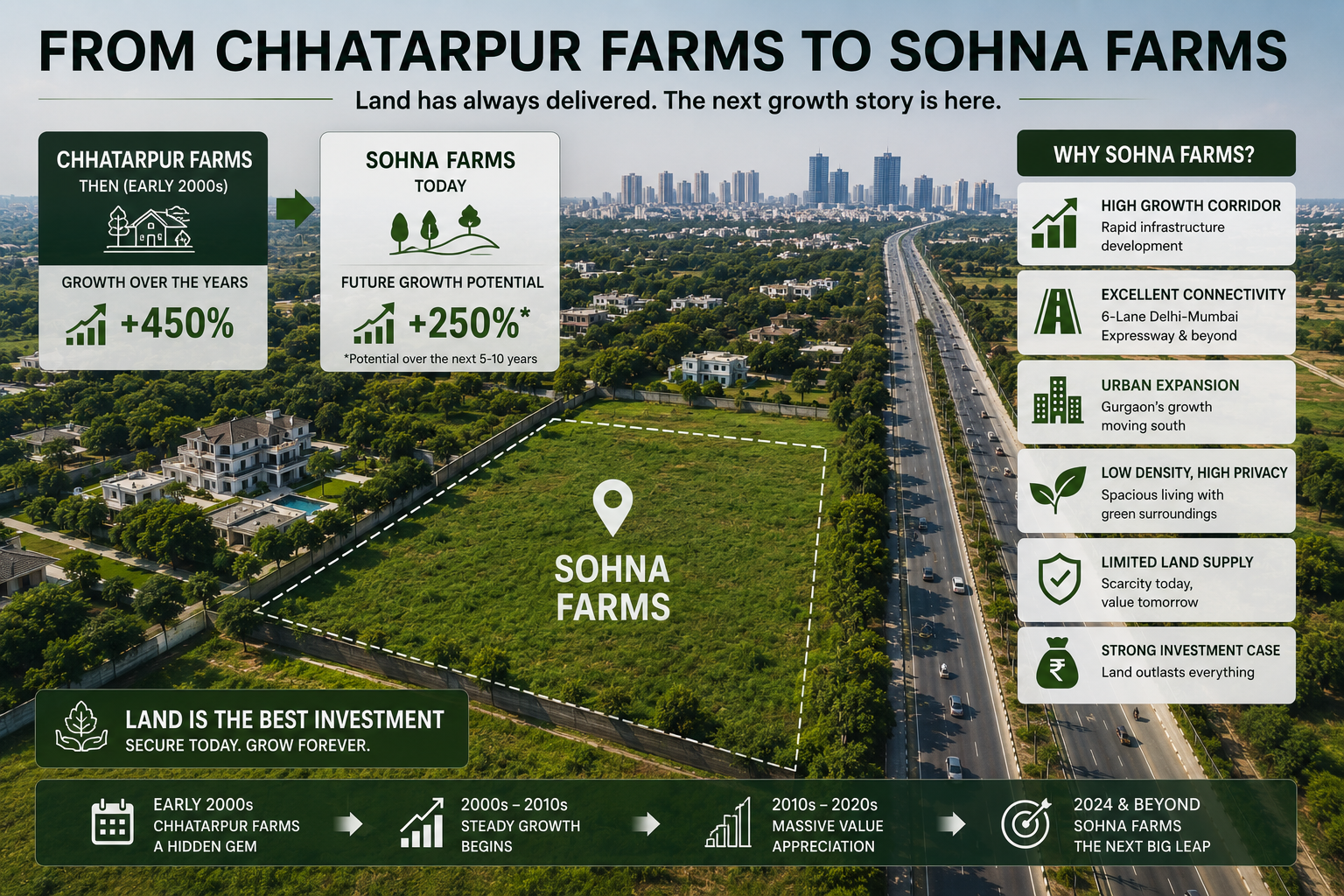
How Chhatarpur Farmhouses Created Multi-Crore Wealth for Early Buyers
What a quiet corner of South Delhi can teach investors about land, scarcity, and long-term wealth creation.
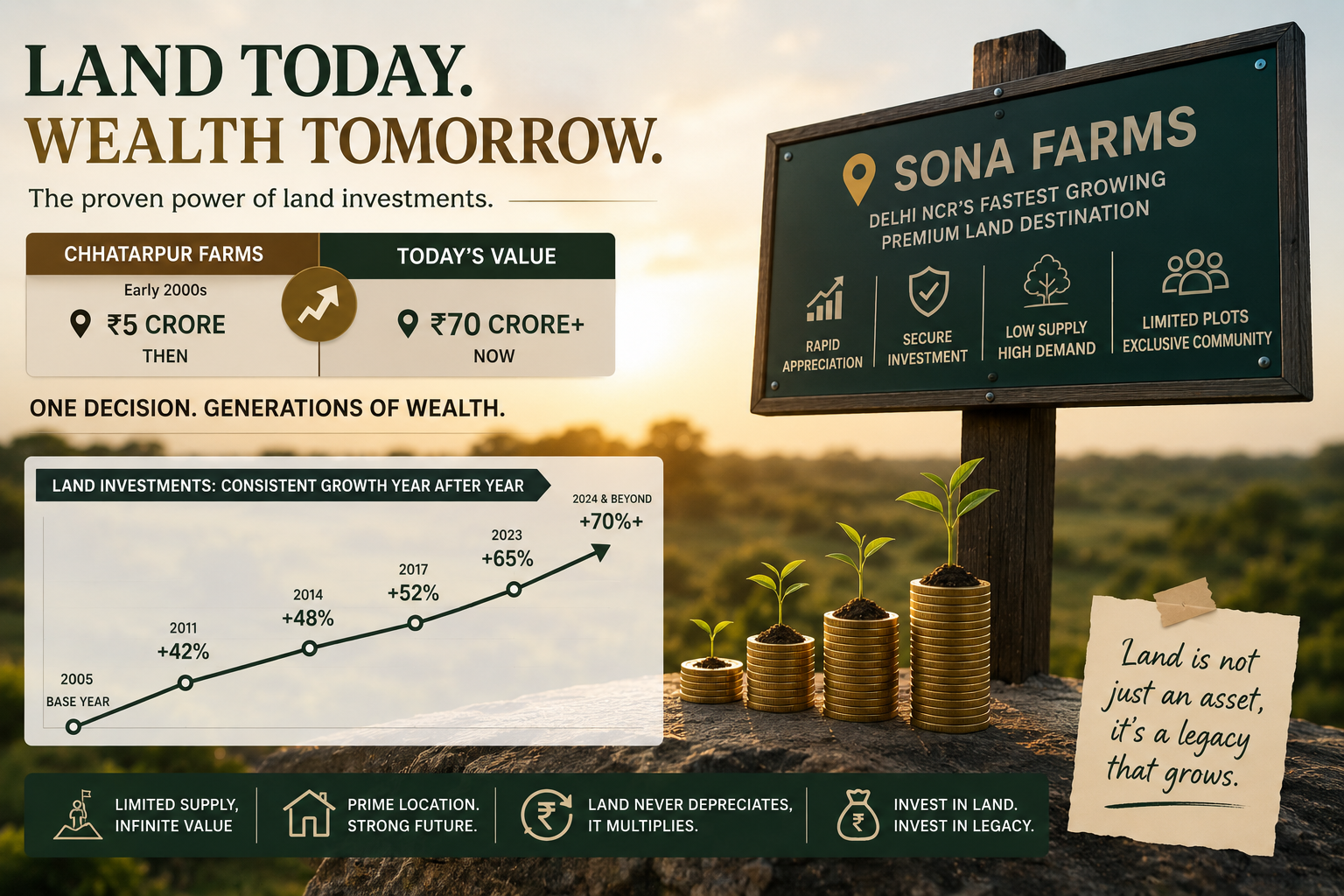
The ₹5 Crore Land Purchase That Became Worth ₹70 Crore
What the Story of DLF Chhatarpur Farms Reveals About Wealth Creation Through Premium Land Ownership
One short email. Stories you can use.
A free, occasional email from our editorial team with our latest features, explainers and reads. Unsubscribe any time — your email stays with us.