Quick Commerce's European Reckoning: Scalability and Profitability in a Fragmented Market
The rapid ascent of quick commerce platforms across Europe faces new scrutiny. Operators are now confronting the intricate challenges of achieving sustainable profitability within diverse regulatory and consumer landscapes.

From the bustling streets of Paris, where Carrefour continues to expand its rapid delivery network, to the digital marketplaces of Central Europe, exemplified by Allegro's significant reach in Poland, the European quick commerce sector is undergoing a profound transformation. What began as a venture capital-fueled land grab is evolving into a more measured pursuit of operational efficiency and viable business models. The initial promise of immediate gratification, once seemingly limitless, is now encountering the hard realities of logistics, labour costs, and consumer retention across a continent defined by its market fragmentation.
The early narrative around quick commerce was dominated by hyper-growth and aggressive expansion. Companies like the now-defunct Gorillas, and its competitor Flink, raised substantial capital, flooding major European cities with riders and dark stores. This phase demonstrated a clear consumer appetite for speed, particularly in groceries and everyday essentials. However, the economic model underpinning this speed often proved tenuous, heavily reliant on discounts and high marketing spend to acquire and retain users. As investor sentiment cooled and capital became more expensive, the sector began consolidating and recalibrating.
Major incumbents and well-established e-commerce players are increasingly integrating quick commerce capabilities rather than solely competing with pure-play startups. Retail giants such as REWE in Germany and Lidl across multiple European markets are leveraging their extensive physical footprints to offer expedited delivery services. This strategy often bypasses the need for dedicated dark store networks, presenting a more capital-efficient path to meeting consumer demand for speed. The ability to fulfil orders from existing supermarkets significantly alters the cost structure.
The Cross-Border Conundrum
Operating a quick commerce model effectively across the diverse regulatory and cultural landscapes of Europe presents a unique set of challenges. Labour laws, particularly concerning gig economy workers, vary significantly from Spain to the Nordics, impacting rider remuneration and flexibility. Consumer preferences also differ; while instantaneous grocery delivery thrives in urban centers across Germany, platforms like Zalando and Bol.com cater to a different immediacy for fashion and general merchandise, often relying on next-day or same-day rather than 15-minute windows. This fragmentation complicates the development of a unified, scalable operational playbook.
One industry analyst observes that sustained profitability in quick commerce will necessitate a clear differentiation beyond mere speed. The market is maturing to a point where unit economics, customer lifetime value, and efficient inventory management will dictate survival more than initial market share gains. Consumers are increasingly valuing reliability and product availability over marginal differences in delivery time.
The battle for market share is not solely about groceries. Platforms like Vinted in the second-hand apparel sector, while not 'quick commerce' in the typical sense, demonstrate a growing consumer comfort with digital transactions for everyday goods, albeit with different delivery expectations. Meanwhile, larger general merchandise players such as Cdiscount in France are continuously optimising their fulfilment networks to offer faster delivery options, blurring the lines between traditional e-commerce and its expedited variants.
Paths to Profitability
Achieving profitability in this demanding environment requires multifaceted strategies. Some operators are exploring higher-margin categories beyond basic groceries, such as prepared meals or specialty goods. Others are focusing on increasing order values through subscription models or premium delivery tiers. Technological advancements in route optimisation, warehouse automation, and predictive analytics are also playing a critical role in squeezing inefficiencies out of the supply chain. The initial 'grow at all costs' mentality has largely given way to a disciplined focus on unit economics. The goal now is not merely to deliver quickly, but to do so at a price point that yields a sustainable margin while remaining attractive to the consumer.
The quick commerce sector in Europe is unlikely to revert to its nascent, venture-fueled phase. Instead, it appears poised for a period of pragmatic innovation and strategic consolidation. The victors in this evolving landscape will likely be those who can adeptly balance consumer expectations for speed with a robust, financially sound operational framework, proving that rapid delivery can be more than a fleeting novelty.
News Legacy maintains editorial independence. Some recommendations may contain affiliate links. We earn from qualifying purchases at no additional cost to you. Read our policy.
Read Next

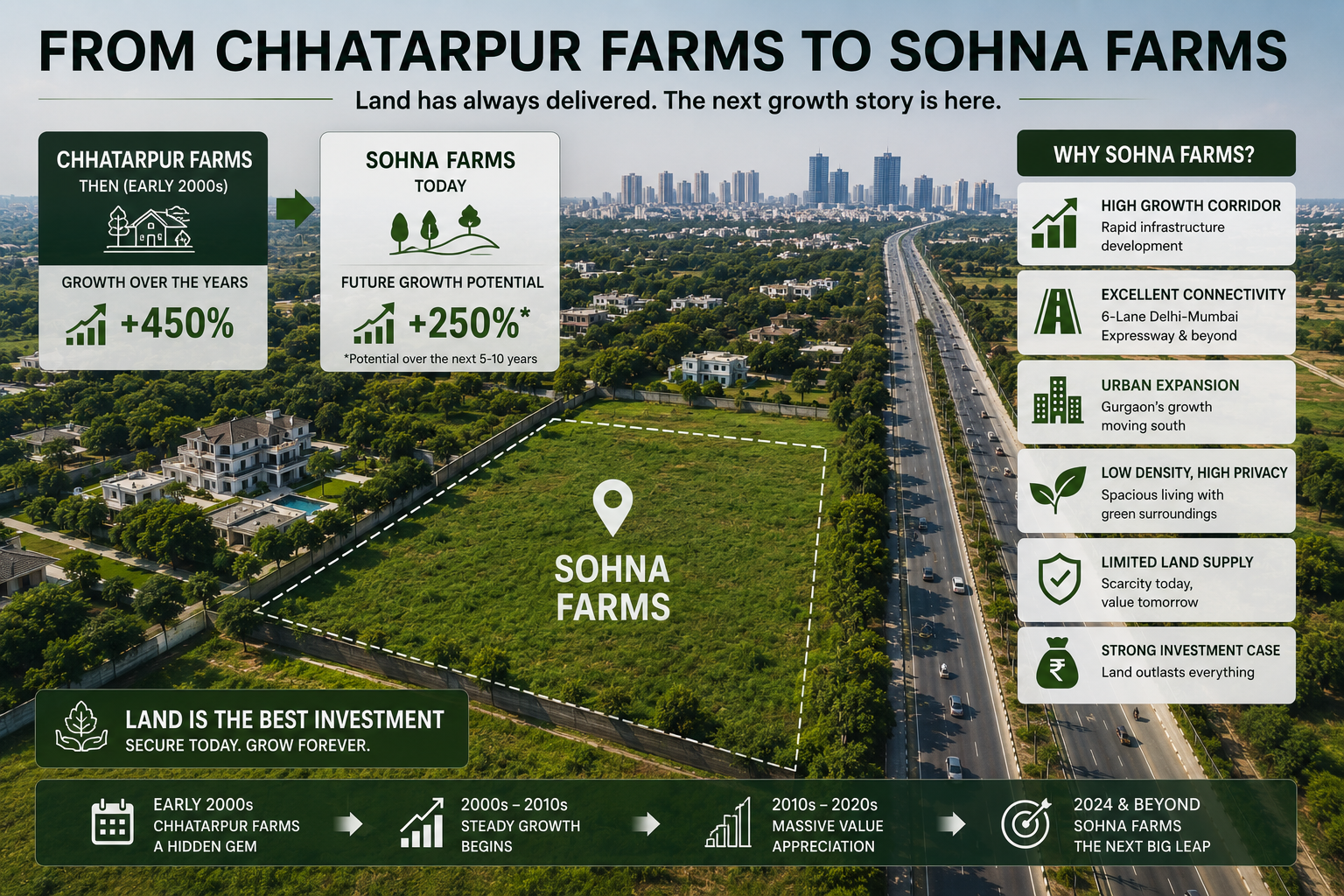
Is Sohna Really the Next Chhatarpur?
Three decades after Chhatarpur redrew South Delhi's map for space, privacy and exclusivity, a familiar pattern is now taking shape further south, and Sohna is where the smart money is beginning to look.
How Chhatarpur Farmhouses Created Multi-Crore Wealth for Early Buyers
What a quiet corner of South Delhi can teach investors about land, scarcity, and long-term wealth creation.

The ₹5 Crore Land Purchase That Became Worth ₹70 Crore
What the Story of DLF Chhatarpur Farms Reveals About Wealth Creation Through Premium Land Ownership
One short email. Stories you can use.
A free, occasional email from our editorial team with our latest features, explainers and reads. Unsubscribe any time — your email stays with us.