Quick Commerce's Uneasy Alliance: Sustaining Speed in a Maturing UK Market
The rapid delivery sector, once buoyed by pandemic-era urgency, faces a critical inflection point as UK consumers moderate spending and established retailers recalibrate their digital strategies, questioning the long-term viability of immediate gratification at any cost.

A recent expansion of Tesco's Whoosh service, now available from over 1,000 stores across the UK, signals a significant shift in the competitive landscape for rapid grocery delivery. What began as a niche offering during periods of stringent lockdown has evolved into a fundamental expectation for a segment of the retail public, pushing even the largest incumbents to adapt their fulfilment models or risk ceding market share to nimble, if unprofitable, quick commerce specialists.
The initial boom experienced by platforms like Deliveroo and Just Eat, alongside newer entrants such as Getir and Gorillas, was propelled by a confluence of pandemic-driven demand and substantial venture capital investment. These firms promised groceries and essentials within minutes, often at a premium, attracting customers seeking convenience above all else. However, the economic climate has since altered markedly, with inflationary pressures compelling UK households to scrutinise expenditure more closely.
This shift in consumer behaviour poses a fundamental challenge to the quick commerce model. Many of these operators have historically subsidised delivery costs and absorbed operational inefficiencies to gain market share, a strategy proving unsustainable without continued capital injections. The recent retrenchment of some players, such as the reported withdrawal of Getir from several European markets, underscores the difficulty of achieving profitability at scale.
The Legacy Retailers' Strategic Response
Established UK retailers, initially cautious, have increasingly embraced and integrated rapid delivery. Sainsbury's, for instance, has expanded its Chop Chop service, while Marks & Spencer's partnership with Ocado provides a sophisticated online grocery infrastructure that now includes faster delivery options. This organic growth leverages existing store networks and supply chains, potentially offering a more cost-effective pathway to speed than building dedicated dark stores from scratch.
The advantage for traditional supermarkets lies in their ability to cross-subsidise rapid delivery with broader in-store sales and loyalty programmes. Their extensive stockholding and established brand trust allow them to offer a wider product assortment and more competitive pricing than many quick commerce pure-plays. For the consumer, this often translates into a more reliable and holistic shopping experience, even if the delivery window might be marginally longer than the quickest offerings.
The economics of delivering a basket of goods within 30 minutes remain challenging, but the evolving market suggests that consumers are increasingly valuing convenience and choice over the absolute fastest possible delivery.
Beyond Groceries: A Broader Shift in Expectation
While groceries remain a significant battleground, the expectation of rapid fulfilment is permeating other retail sectors. Fashion retailers such as ASOS and Next have long offered next-day delivery, with some experimenting with same-day options in metropolitan areas. This broadens the competitive landscape, as consumers become accustomed to expedited receipt across a wider array of product categories, placing pressure on logistics and inventory management for all online merchants.
The operational complexities are substantial. Maintaining multiple fulfilment speeds requires sophisticated inventory management systems, efficient last-mile logistics, and robust technology platforms. For retailers, the decision rests on balancing the cost of speed against the potential for increased customer loyalty and market differentiation. As the UK market matures, a clear segmentation is emerging: highly time-sensitive purchases versus those where convenience within a day is sufficient.
The long-term trajectory suggests a consolidation within the quick commerce sector, with only those able to demonstrate a viable path to profitability likely to endure. Strategic partnerships, technological innovation, and a nuanced understanding of consumer willingness to pay for speed will ultimately determine the survivors in this intensely competitive segment of UK retail.
News Legacy maintains editorial independence. Some recommendations may contain affiliate links. We earn from qualifying purchases at no additional cost to you. Read our policy.
Read Next

Is Sohna Really the Next Chhatarpur?
Three decades after Chhatarpur redrew South Delhi's map for space, privacy and exclusivity, a familiar pattern is now taking shape further south, and Sohna is where the smart money is beginning to look.
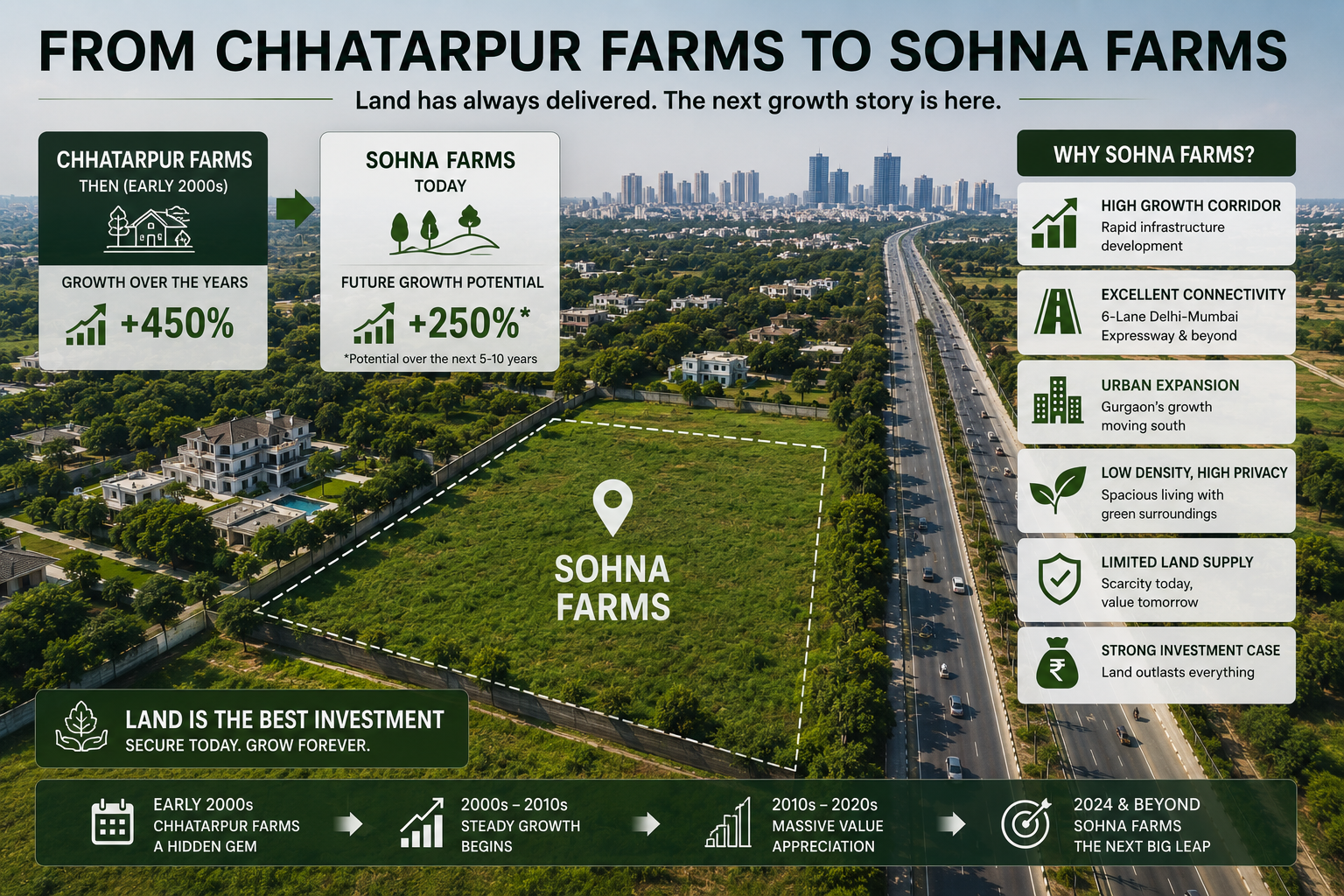
How Chhatarpur Farmhouses Created Multi-Crore Wealth for Early Buyers
What a quiet corner of South Delhi can teach investors about land, scarcity, and long-term wealth creation.

The ₹5 Crore Land Purchase That Became Worth ₹70 Crore
What the Story of DLF Chhatarpur Farms Reveals About Wealth Creation Through Premium Land Ownership
One short email. Stories you can use.
A free, occasional email from our editorial team with our latest features, explainers and reads. Unsubscribe any time — your email stays with us.