Quick Commerce's Uneven European Advance: A Path to Profitability Remains Elusive
Despite considerable initial investment and a surge in consumer demand, the quick commerce sector in Europe faces a critical juncture. Sustaining rapid delivery at scale while achieving financial viability presents a complex challenge.

The brightly coloured delivery bags of Flink, once ubiquitous across German cities, now contend with a more scrutinised financial reality. Once valued in the billions, these rapid delivery services, alongside competitors like Getir and the now-defunct Gorillas, exemplify a pan-European quick commerce model built on speed and venture capital that is undergoing a painful recalibration. The core question for investors and consumers alike centres on whether the promise of groceries delivered in minutes can translate into a sustainable business, particularly as the cost of capital rises and the market consolidates.
Initial capital infusions into these platforms were substantial, driven by pandemic-era consumer shifts and a belief in the long-term potential of instantaneous retail. Companies like Berlin-based Flink raised hundreds of millions, mirroring investments into its Turkish-origin rival Getir, which also expanded aggressively into several European markets. This period saw a rapid expansion of 'dark stores' – localised micro-fulfilment centres – and a race to capture market share through aggressive discounting and swift geographic penetration, often with little immediate regard for profitability metrics.
The Cross-Border Contradiction
While the concept of quick commerce resonates across the continent, its implementation and reception vary considerably. In Poland, for instance, established e-commerce players like Allegro command significant loyalty, often through broader product assortments rather than hyper-speed grocery delivery. Similarly, in France, major retailers such as Carrefour and Auchan have leveraged their existing physical footprints, transforming stores into pick-up points or utilising their own logistics networks for rapid fulfillment, thereby avoiding the heavy infrastructure costs of new quick commerce entrants.
This contrasts with countries like Germany and Spain, where dedicated quick commerce platforms initially gained more traction, largely due to less developed existing rapid grocery delivery infrastructure from traditional supermarkets. However, even here, the high operational costs associated with maintaining a vast rider network and numerous dark stores, combined with often lower average order values, have made profitability a distant horizon. Many have found themselves burdened by expensive real estate leases and high labour costs in competitive urban environments.
Consolidation has become an inevitable outcome. Getir's acquisition of Gorillas in late 2022 was a prominent example, aimed at reducing competitive pressures and improving operational efficiencies across overlapping markets. However, even this merger has not fully alleviated the sector's financial strain, with reports of significant retrenchment and workforce reductions continuing throughout 2023 and into 2024. The operational expenditure required to guarantee a 10-minute delivery window proves challenging to amortise across typical basket sizes.
The market has shifted from a land grab mentality to a focus on unit economics. Businesses must demonstrate a credible path to generating cash flow, not just expanding delivery zones.
Traditional European retailers are also adapting, often more pragmatically. Lidl and REWE, for instance, are exploring various models, from click-and-collect to partnerships with established logistics providers, rather than building out their own quick-commerce-specific infrastructure from scratch. This approach suggests a more cautious, incremental investment strategy, focusing on integrating rapid delivery as an extension of their existing supply chains, rather than as a standalone, capital-intensive venture.
The trajectory for quick commerce in Europe suggests a future characterised by narrower geographic focus, higher minimum order values, and potentially a more limited range of products, perhaps concentrating on convenience items rather than full grocery shops. For consumers, this might mean a more realistic understanding of what 15-minute delivery genuinely entails and what price premium it commands. For the surviving platforms, the emphasis must shift decisively from gross merchandise volume to sustainable profit margins, a transformation that has proved remarkably elusive thus far.
News Legacy maintains editorial independence. Some recommendations may contain affiliate links. We earn from qualifying purchases at no additional cost to you. Read our policy.
Read Next
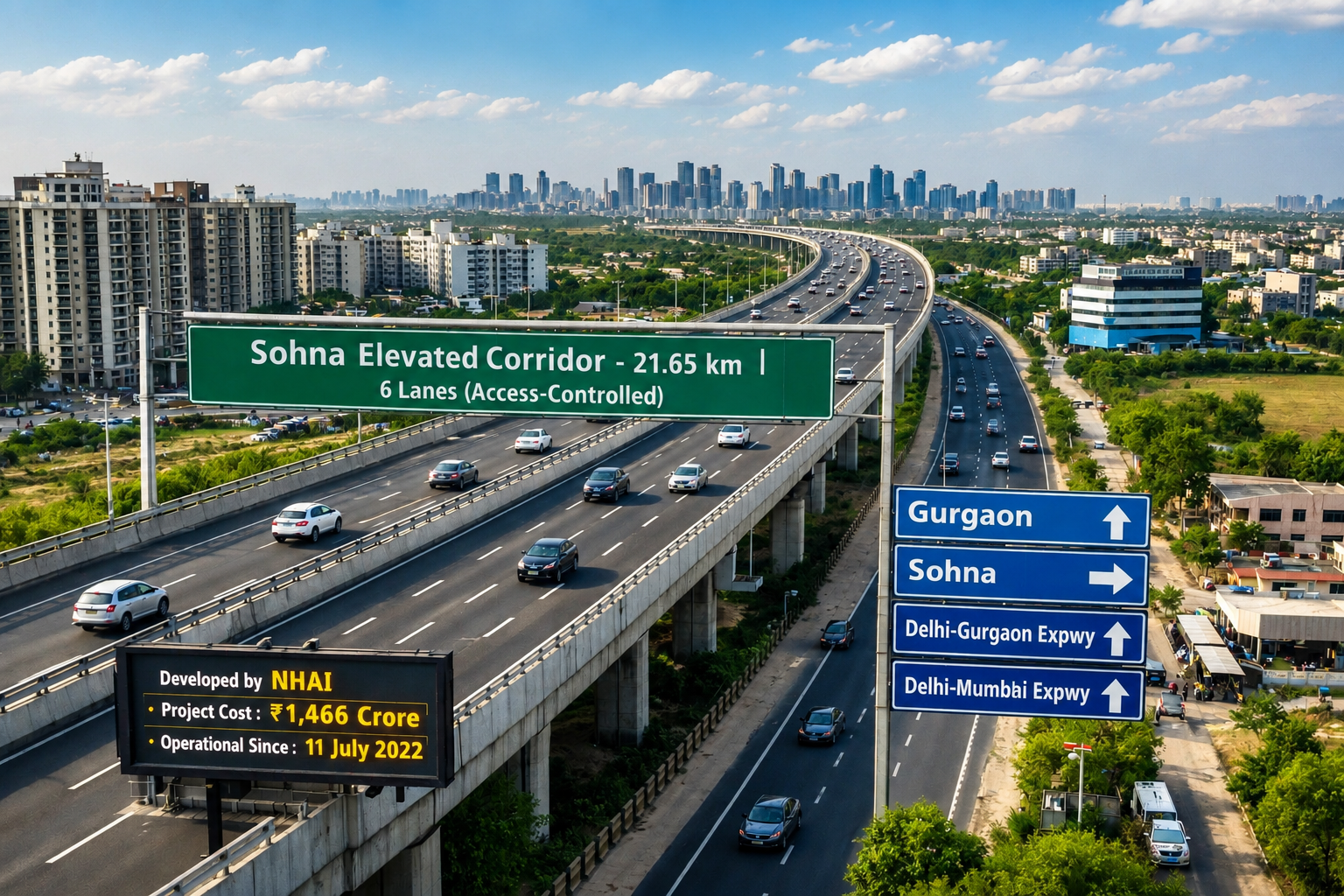
Is Sohna Really the Next Chhatarpur?
Three decades after Chhatarpur redrew South Delhi's map for space, privacy and exclusivity, a familiar pattern is now taking shape further south, and Sohna is where the smart money is beginning to look.
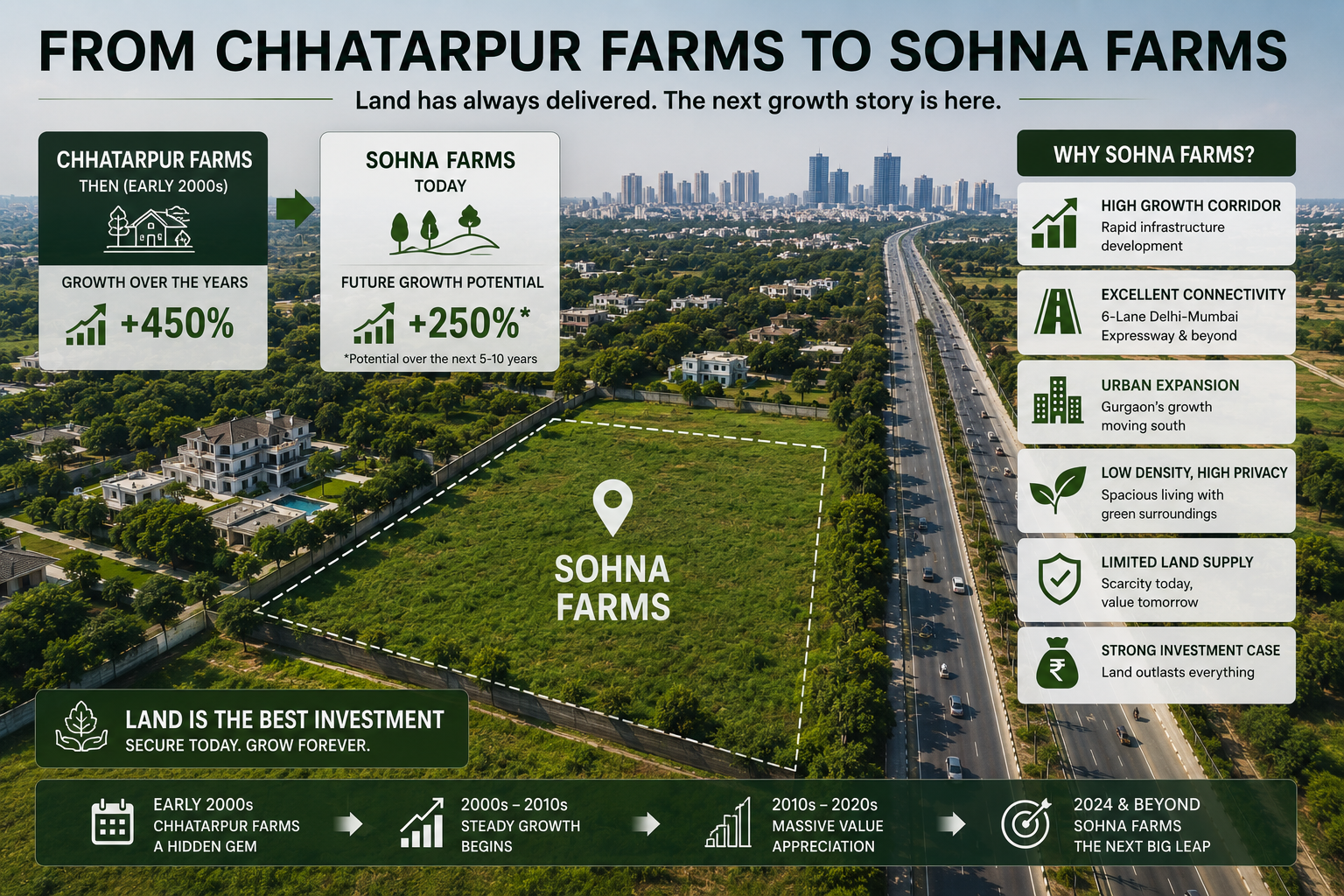
How Chhatarpur Farmhouses Created Multi-Crore Wealth for Early Buyers
What a quiet corner of South Delhi can teach investors about land, scarcity, and long-term wealth creation.
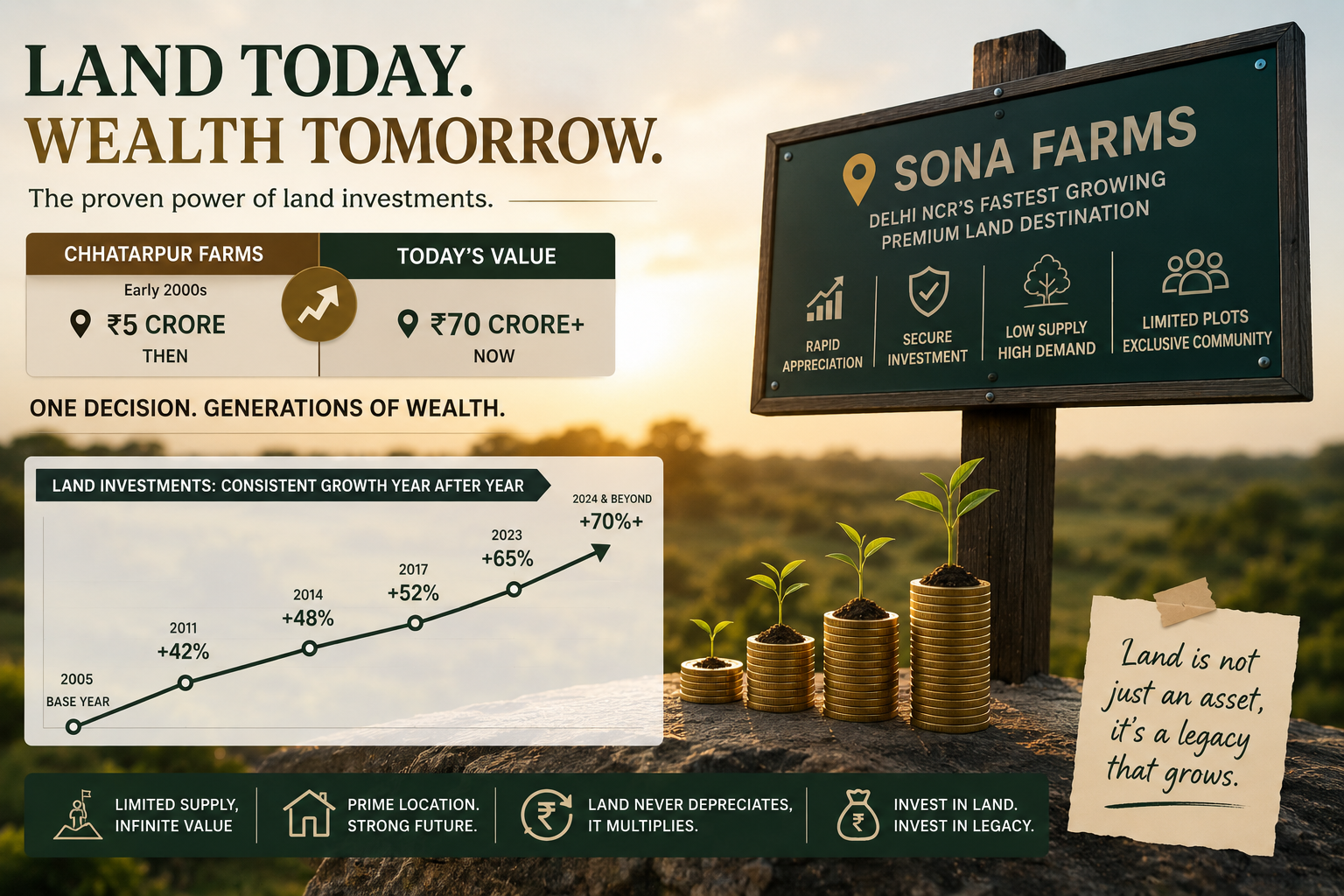
The ₹5 Crore Land Purchase That Became Worth ₹70 Crore
What the Story of DLF Chhatarpur Farms Reveals About Wealth Creation Through Premium Land Ownership
One short email. Stories you can use.
A free, occasional email from our editorial team with our latest features, explainers and reads. Unsubscribe any time — your email stays with us.