Quick Commerce's Uneven Footprint Across Europe
The swift delivery model, once heralded as the future of urban retail, now faces a reckoning in the varied landscapes of continental Europe, exposing the fault lines between venture capital ambition and consumer reality.

At a Carrefour hypermarket on the outskirts of Lyon, a dedicated 'drive' collection point bustles with activity, a testament to the enduring appeal of planned grocery trips in France. This contrasts sharply with the earlier vision of quick commerce, where riders on electric bikes navigated dense city centres to deliver convenience store items in minutes. While the initial venture capital influx propelled players like Gorillas (now largely integrated into Getir) and Flink into a brief, high-profile existence across German and Dutch cities, their expansion into markets like Spain or Italy proved more challenging, revealing a heterogeneous consumer response and regulatory environment that continues to shape the sector.
The initial investment frenzy, peaking around 2021, allowed these quick commerce firms to offer aggressive discounts and rapid delivery, aiming to capture market share at almost any cost. Billions of euros flowed into these start-ups, predicated on the idea that urban consumers universally desired near-instant gratification for everyday purchases. However, this assumption began to unravel as operational costs mounted and the true scale of profitability proved elusive.
The Legacy Players' Shifting Strategy
Traditional retail giants have not been static observers. Companies like REWE in Germany and Carrefour have progressively enhanced their online delivery infrastructure, often leveraging existing store networks as dark stores or pick-up points. This hybrid model, combining the reach of brick-and-mortar with digital convenience, offers a more sustainable path than the capital-intensive hub-and-spoke model favoured by pure-play quick commerce platforms. Even e-commerce specialists like Zalando and Bol.com, while not direct quick commerce rivals, have invested heavily in logistics and last-mile delivery to compress delivery times for their core fashion and general merchandise offerings, influencing customer expectations across the board.
The quick commerce proposition, though compelling in its speed, has struggled to justify its cost structure against deeply ingrained European shopping habits and the efficiency of established retail logistics.
Cross-border dynamics further complicate the picture. While platforms like Poland's Allegro dominate their domestic market for broader e-commerce, the hyperlocal, rapid delivery model has found varying degrees of success when attempting to scale internationally. Regulatory frameworks concerning rider employment, urban traffic, and store opening hours differ significantly from Berlin to Barcelona, and from Milan to Malmö, posing formidable hurdles to a unified quick commerce strategy. This fragmentation often necessitates bespoke operational approaches for each national market.
Niche Expansion and Sustainable Models
The current trend indicates a pivot towards more specialised or integrated services. Rather than attempting to be a universal instant grocer, some players are focusing on specific product categories or partnerships. Lidl, for instance, has been experimenting with online delivery services in certain regions, leveraging its established supply chain and competitive pricing. Similarly, the secondhand fashion platform Vinted, while not quick commerce, demonstrates the power of a strong niche community and efficient peer-to-peer logistics across European borders, hinting at models that prioritise sustainability and specific value propositions over sheer speed for all items.
The quick commerce sector in Europe is thus maturing into a more nuanced landscape. The initial gold rush has subsided, replaced by a strategic consolidation and a re-evaluation of sustainable growth. The emphasis is shifting from unbridled expansion to operational efficiency, careful market selection, and integration with broader retail ecosystems, acknowledging the persistent diversity of European consumer behaviour and economic realities. The €5 delivery fee, once absorbed by venture capital, is now increasingly scrutinised by the end consumer.
News Legacy maintains editorial independence. Some recommendations may contain affiliate links. We earn from qualifying purchases at no additional cost to you. Read our policy.
Read Next

Is Sohna Really the Next Chhatarpur?
Three decades after Chhatarpur redrew South Delhi's map for space, privacy and exclusivity, a familiar pattern is now taking shape further south, and Sohna is where the smart money is beginning to look.
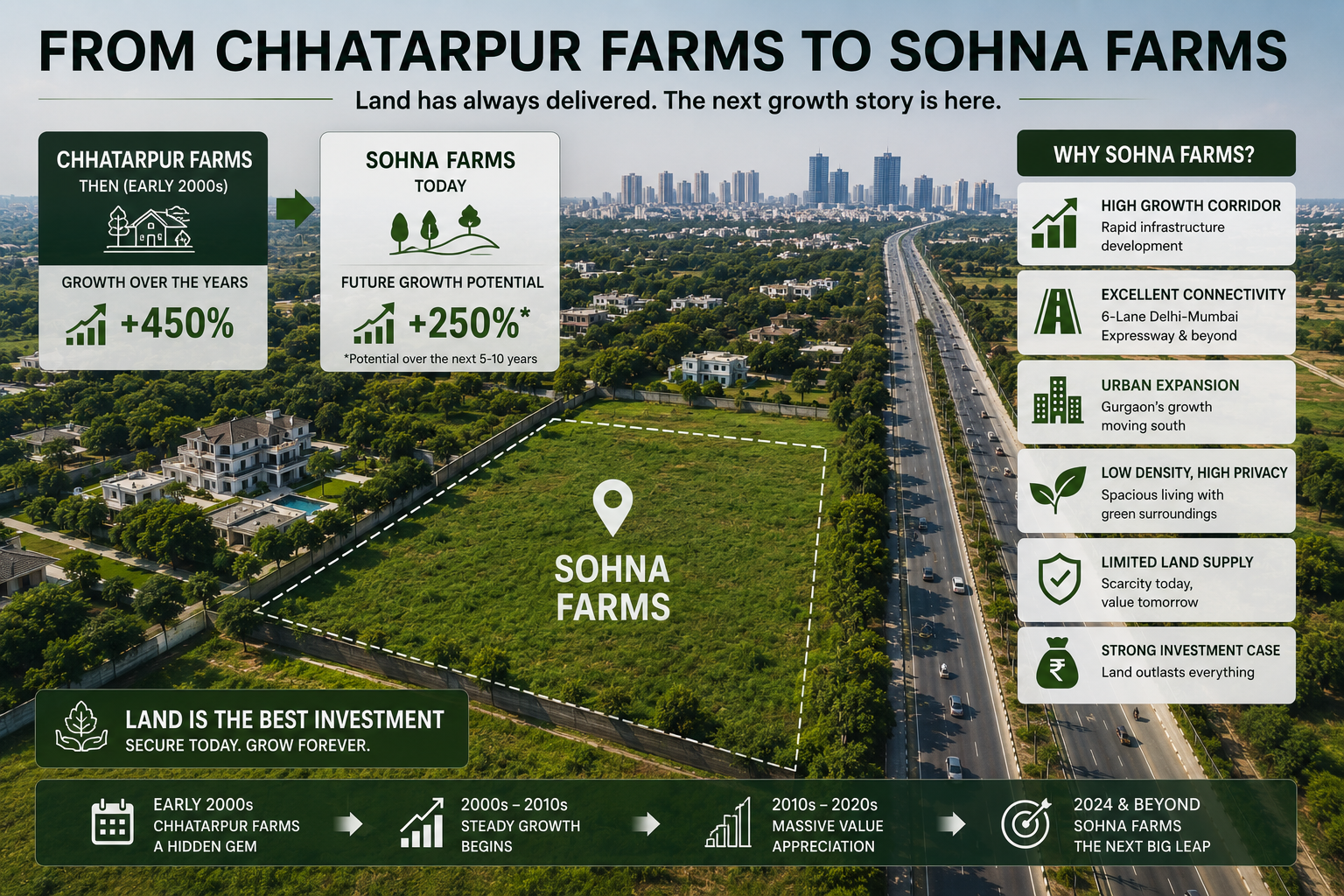
How Chhatarpur Farmhouses Created Multi-Crore Wealth for Early Buyers
What a quiet corner of South Delhi can teach investors about land, scarcity, and long-term wealth creation.
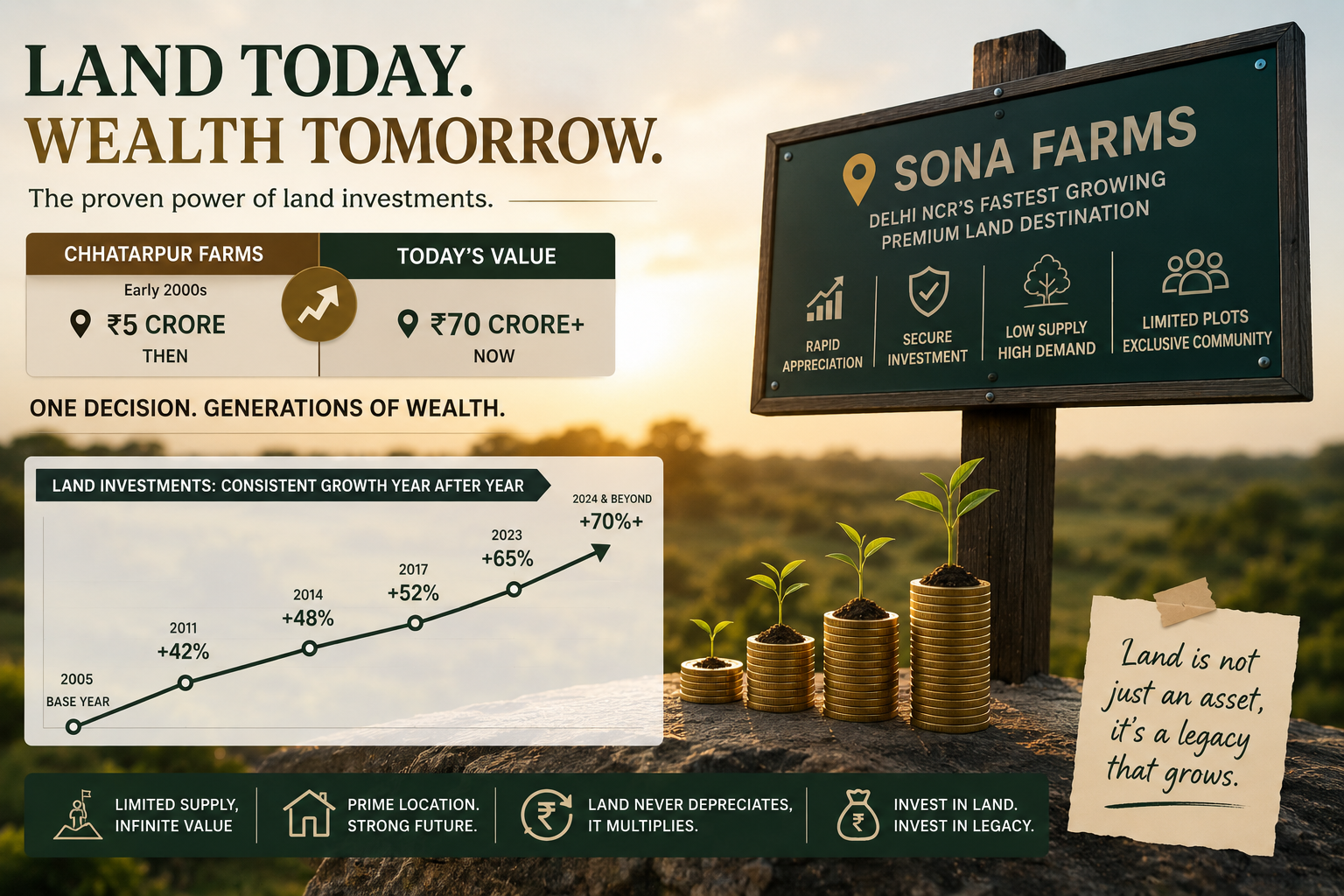
The ₹5 Crore Land Purchase That Became Worth ₹70 Crore
What the Story of DLF Chhatarpur Farms Reveals About Wealth Creation Through Premium Land Ownership
One short email. Stories you can use.
A free, occasional email from our editorial team with our latest features, explainers and reads. Unsubscribe any time — your email stays with us.