Scaling Beyond the Boutique: UK Retail Startups Grapple with Mainstream Momentum
New British retail ventures are demonstrating ingenuity in niche markets, but the path from digital darling to enduring national player remains fraught with capital demands and intense competition from entrenched giants.

Even as venerable high street names such as Marks & Spencer and Next adapt their omnichannel strategies, a new generation of British retail startups attempts to carve out distinct market positions. Many emerge from digital-native foundations, offering specialised products or novel service models that appeal to increasingly discerning consumers. Yet, the critical challenge for these nascent firms lies in transcending their initial traction to achieve meaningful scale within the demanding UK retail environment.
The journey from a promising online concept to a viable contender against the likes of Tesco or ASOS requires substantial capital, robust logistics, and a profound understanding of consumer behaviour at scale. For every success story, such as Cult Beauty prior to its acquisition by The Hut Group, numerous ventures falter, unable to sustain growth beyond an initial enthusiastic customer base. This dynamic underscores the high-stakes nature of the British retail market, where innovation alone is often insufficient for long-term survival.
The Capital Chasm and Operational Hurdles
Securing funding has become a particularly acute issue. While early-stage seed capital for consumer-facing technology remains available, larger Series A and B rounds for retail operations, which often require significant investment in inventory, supply chain infrastructure, and marketing, have tightened. Investors are scrutinising unit economics more rigorously, demanding clear paths to profitability rather than simply top-line growth. This shift impacts startups disproportionately, as their operational inefficiencies can be more pronounced in the early stages.
Building a resilient supply chain presents another formidable barrier. Unlike a software-as-a-service provider, a retail startup must manage physical goods, from sourcing and manufacturing to warehousing and last-mile delivery. Established players like Ocado or Deliveroo have invested billions into these capabilities over decades. Replicating even a fraction of this infrastructure, or securing favourable terms from third-party logistics providers, represents a considerable drain on resources and management attention for a small enterprise.
The transition from a lean, agile disruptor to a scalable, profitable entity frequently exposes vulnerabilities in a startup's operational blueprint.
Furthermore, the competitive landscape is not static. Major grocers like Sainsbury's and Tesco are investing heavily in their own rapid delivery services and digital platforms, eroding some of the convenience advantage once held by pure-play startups. Similarly, fashion retailers like ASOS and Boohoo continue to refine their speed-to-market and pricing strategies, challenging smaller, ethically-focused brands to compete on value or differentiation.
Niche Dominance vs. Mass Appeal
Some startups have found success by embracing hyper-specialisation, cultivating deep loyalty within specific demographics. Consider brands focusing on sustainable products or specific dietary needs, which can command premium pricing and benefit from strong community engagement. However, the total addressable market for such niches can inherently limit their ultimate valuation and growth trajectory. The ambition to move beyond these segments into broader appeal often necessitates product diversification and marketing budgets that exceed their means.
The inherent tension between maintaining a distinct brand identity and achieving widespread market penetration characterises many of these ventures. Diluting a unique value proposition for mass appeal risks alienating early adopters without securing a sufficiently large new customer base. Navigating this strategic pivot requires exceptional leadership and a profound understanding of evolving consumer preferences, particularly in an economic climate where discretionary spending faces pressure. The next few years will prove critical in determining which of today's promising retail startups can cement their place within the UK's dynamic commercial fabric.
News Legacy maintains editorial independence. Some recommendations may contain affiliate links. We earn from qualifying purchases at no additional cost to you. Read our policy.
Read Next

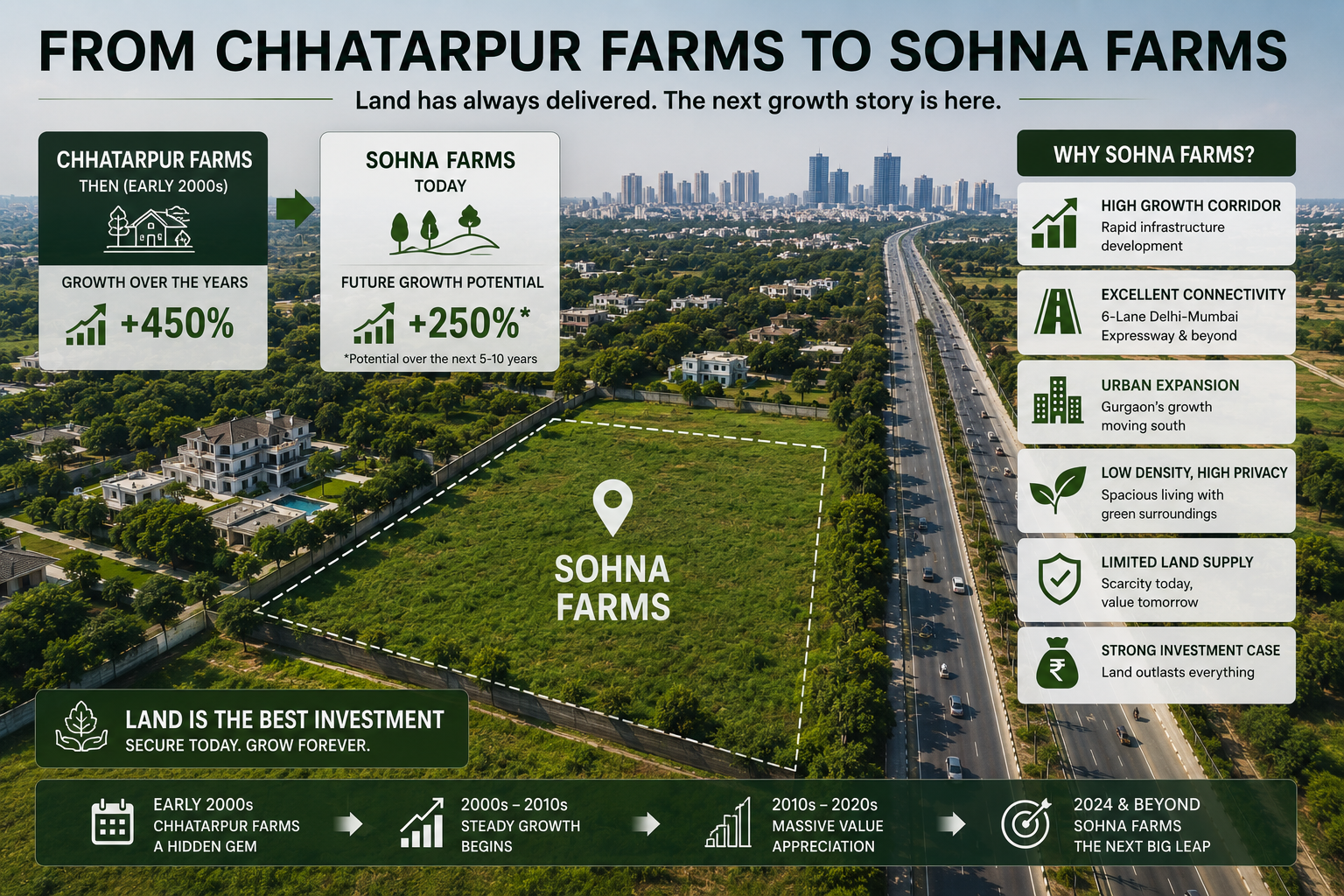
Is Sohna Really the Next Chhatarpur?
Three decades after Chhatarpur redrew South Delhi's map for space, privacy and exclusivity, a familiar pattern is now taking shape further south, and Sohna is where the smart money is beginning to look.
How Chhatarpur Farmhouses Created Multi-Crore Wealth for Early Buyers
What a quiet corner of South Delhi can teach investors about land, scarcity, and long-term wealth creation.

The ₹5 Crore Land Purchase That Became Worth ₹70 Crore
What the Story of DLF Chhatarpur Farms Reveals About Wealth Creation Through Premium Land Ownership
One short email. Stories you can use.
A free, occasional email from our editorial team with our latest features, explainers and reads. Unsubscribe any time — your email stays with us.