Shedding the Speed Trap: How Britain’s Retailers Reclaimed the Final Mile
After burning capital on dedicated rapid-delivery networks, the United Kingdom’s largest merchants are turning physical shops into dual-purpose fulfilment hubs to preserve operating margins.

At dawn outside a sprawling Tesco Extra on the edge of Watford, delivery vans share loading bays with electric cargo bicycles rather than dedicated logistics fleets. The activity illustrates a decisive retreat from the speculative logistics experiments that dominated British commerce earlier in the decade. Rather than committing balance-sheet capital to stand-alone dark stores and sub-fifteen-minute courier networks, the nation’s grocers and general merchandisers are systematically recalibrating their supply chains around physical retail assets they already control.
The reckoning has arrived because the standalone economics of ultra-fast urban delivery proved incompatible with structural inflation and wage pressures. When rapid-delivery operators flooded London and Manchester with leased mini-warehouses, they operated on the assumption that density would eventually yield profitability. Instead, customer baskets stagnated around £15 to £20, while couriers faced rising fuel tariffs and living-wage uplifts. Rather than attempting to out-spend specialist couriers, incumbent grocers such as Sainsbury's and Morrisons negotiated platform integrations with Deliveroo and Just Eat, effectively offloading dispatch risk while serving rapid orders directly from standard retail aisles.
The store as an amortised depot
This model transforms ordinary supermarket shelves into primary fulfilment corridors. Programmes such as Tesco Whoosh rely on store associates picking ambient and chilled items from existing displays, eliminating the duplicate property overheads that crippled standalone dark-store operators. While in-store picking introduces friction with pedestrian footfall, it sidesteps the high square-foot rental premiums commanded by inner-city distribution units.
A parallel re-engineering is taking place across the apparel sector, where reverse logistics had threatened to erode e-commerce earnings entirely. Pure-play online retailers such as ASOS have spent the past eighteen months overhauling returns policies, introducing deductions of up to £3.95 for customers returning items by post. Conversely, multichannel operators such as Next and Marks & Spencer are turning physical outlets into consolidation points that dramatically reduce courier carriage fees.
The physical storefront has quietly evolved into an urban shock absorber, dampening the brutal transport expenses that plague pure-play e-commerce.
By absorbing parcel collection and customer returns into existing regional delivery runs, Next processes millions of parcels annually through its stores at negligible marginal freight cost. Marks & Spencer has followed a similar path, deploying digital self-service collection kiosks to accelerate customer dwell times while keeping parcel intake within its own closed-loop logistics network. The strategy creates footfall while preventing parcels from entering the open carrier market, where parcel surcharges and driver shortages frequently compress gross margins.
Rationalising the final mile
The structural divergence is starkest when measured against capital-intensive automation. Ocado continues to defend its engineering-first thesis, commissioning multi-million-pound customer fulfilment centres powered by proprietary robotics grids. Yet even Ocado has expanded Ocado Zoom, a lighter-footprint model designed to serve smaller urban catchments with higher-margin rapid orders, acknowledging that large regional sheds struggle to serve same-day demands without punitive mid-mile transport costs.
For British logistics real estate, the consequence is a notable pause in the demand for auxiliary infill units. Major institutional landlords who accumulated urban light-industrial estates on the promise of perpetual e-commerce expansion are now confronting a tenant base with stringent return-on-capital hurdles. Corporate treasuries are no longer subsidising delivery speed as a customer-acquisition gimmick. Instead, the domestic supply chain is settling into a pragmatic equilibrium: consumers who demand immediacy must either pay compensatory delivery tariffs or collect the goods themselves from a high street that was once written off as obsolete.
News Legacy maintains editorial independence. Some recommendations may contain affiliate links. We earn from qualifying purchases at no additional cost to you. Read our policy.
Read Next
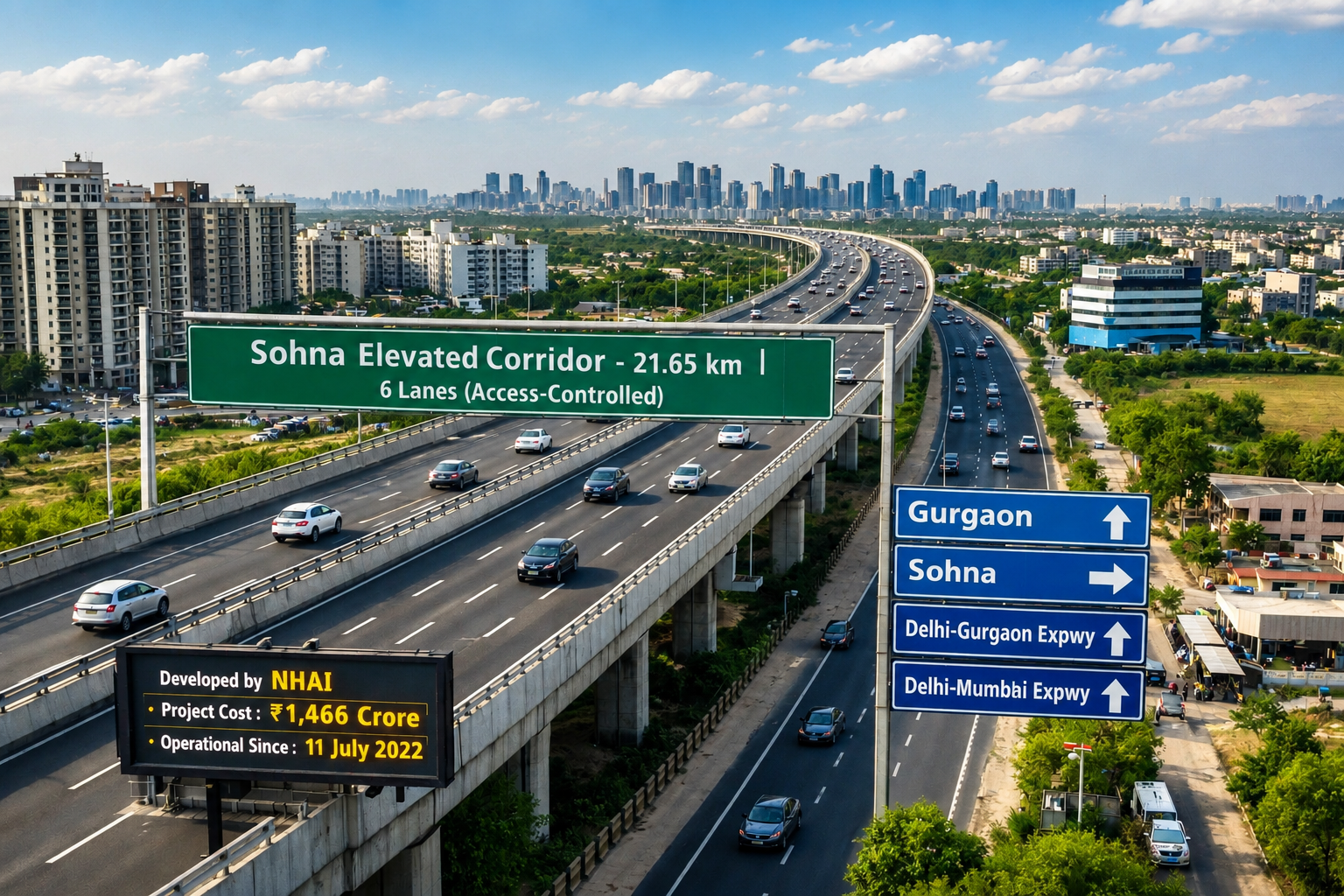
Is Sohna Really the Next Chhatarpur?
Three decades after Chhatarpur redrew South Delhi's map for space, privacy and exclusivity, a familiar pattern is now taking shape further south, and Sohna is where the smart money is beginning to look.
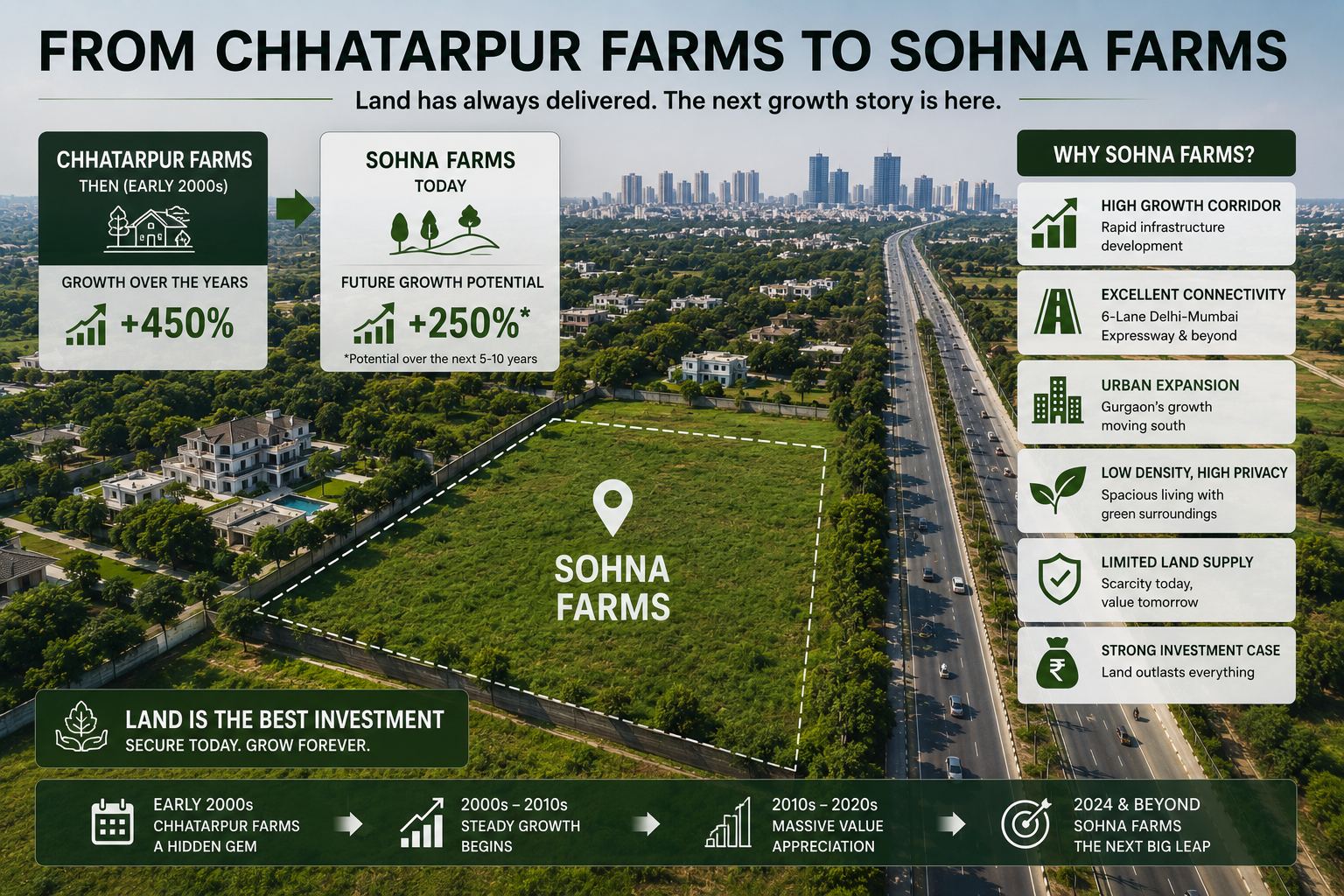
How Chhatarpur Farmhouses Created Multi-Crore Wealth for Early Buyers
What a quiet corner of South Delhi can teach investors about land, scarcity, and long-term wealth creation.

The ₹5 Crore Land Purchase That Became Worth ₹70 Crore
What the Story of DLF Chhatarpur Farms Reveals About Wealth Creation Through Premium Land Ownership
One short email. Stories you can use.
A free, occasional email from our editorial team with our latest features, explainers and reads. Unsubscribe any time — your email stays with us.