Shrinking Baskets and Shifting Loyalty: The UK's Value-Driven Retail Revamp
Across Britain, the weekly shop is undergoing a profound transformation as consumers, acutely aware of inflationary pressures, recalibrate their spending habits. This seismic shift is compelling even established retail giants to fundamentally reassess their value propositions.

At a Tesco Extra in Milton Keynes, a noticeable trend has taken hold: fewer heavily laden trolleys and more shoppers opting for baskets, or even just a handful of items. This anecdotal observation, replicated across the UK's high streets and digital storefronts, reflects a broader economic reality. Consumer confidence remains subdued, and households are strategically paring back non-essential purchases, a dynamic that is reshaping the competitive landscape for retailers from luxury fashion to everyday groceries.
The relentless upward trajectory of inflation, particularly on food and energy, has forced a reckoning for many. Data from the Office for National Statistics consistently points to a divergence between nominal and real wage growth, leaving many households with less disposable income in real terms. This squeeze is visible in the purchasing patterns; consumers are not merely seeking cheaper alternatives but are fundamentally redefining what constitutes 'value' in their purchasing decisions.
The Scramble for Price Perception
Supermarket chains, long accustomed to brand loyalty, are now locked in an intense battle for price perception. Aldi and Lidl continue to gain market share, their 'everyday low price' model resonating deeply with a populace looking to stretch every pound. This has put considerable pressure on the 'Big Four' — Tesco, Sainsbury's, Asda, and Morrisons — to sharpen their own value offerings, from expanding own-brand lines to increasingly aggressive promotions. Sainsbury's recent 'Nectar Prices' loyalty push is a direct response to this competitive intensity, striving to offer personalised discounts that mimic the appeal of discounters.
Beyond groceries, the impact is equally pronounced in non-food retail. Online fashion retailers like ASOS have contended with a more cautious consumer, leading to increased returns and a focus on core, value-driven collections over ephemeral trends. Traditional high-street mainstays such as Marks & Spencer are balancing their premium food offerings with a renewed emphasis on affordable, durable apparel. Next, known for its consistent delivery and catalogue model, reports robust sales, yet even it notes the careful consideration consumers are giving to discretionary purchases.
The era of frictionless consumption, where price was a secondary consideration, appears to be receding. Shoppers are now actively performing mental calculus on every basket item.
The convenience sector, too, is feeling the pinch. While rapid grocery delivery services like Deliveroo and Just Eat saw a pandemic-driven boom, their higher price points and delivery fees are now being scrutinized by budget-conscious consumers. Anecdotal evidence suggests a rebalancing, with fewer spontaneous, small-basket orders and more planned, larger shops from traditional supermarkets, even online. Ocado Retail, a bellwether for online grocery, has also had to adapt to changing order sizes and purchasing frequencies.
Innovation in a Constrained Environment
Retailers are responding with a two-pronged strategy: cost-cutting internal efficiencies and enhanced value propositions externally. Investment in supply chain optimisation and automation, from warehouse robotics to AI-driven demand forecasting, is intensifying as businesses seek to mitigate rising operational costs. Simultaneously, there's a renewed focus on customer data, aiming to personalise offers and communications in a bid to retain loyalty in a highly promiscuous retail environment.
The coming months will test the agility of British retailers. Those that can genuinely deliver on value, whether through competitive pricing, superior own-brand quality, or innovative loyalty programmes, are best positioned to navigate this period of heightened consumer caution. The 'nice-to-have' purchases are being deferred; the 'must-haves' are being scrutinised like never before.
News Legacy maintains editorial independence. Some recommendations may contain affiliate links. We earn from qualifying purchases at no additional cost to you. Read our policy.
Read Next

Is Sohna Really the Next Chhatarpur?
Three decades after Chhatarpur redrew South Delhi's map for space, privacy and exclusivity, a familiar pattern is now taking shape further south, and Sohna is where the smart money is beginning to look.
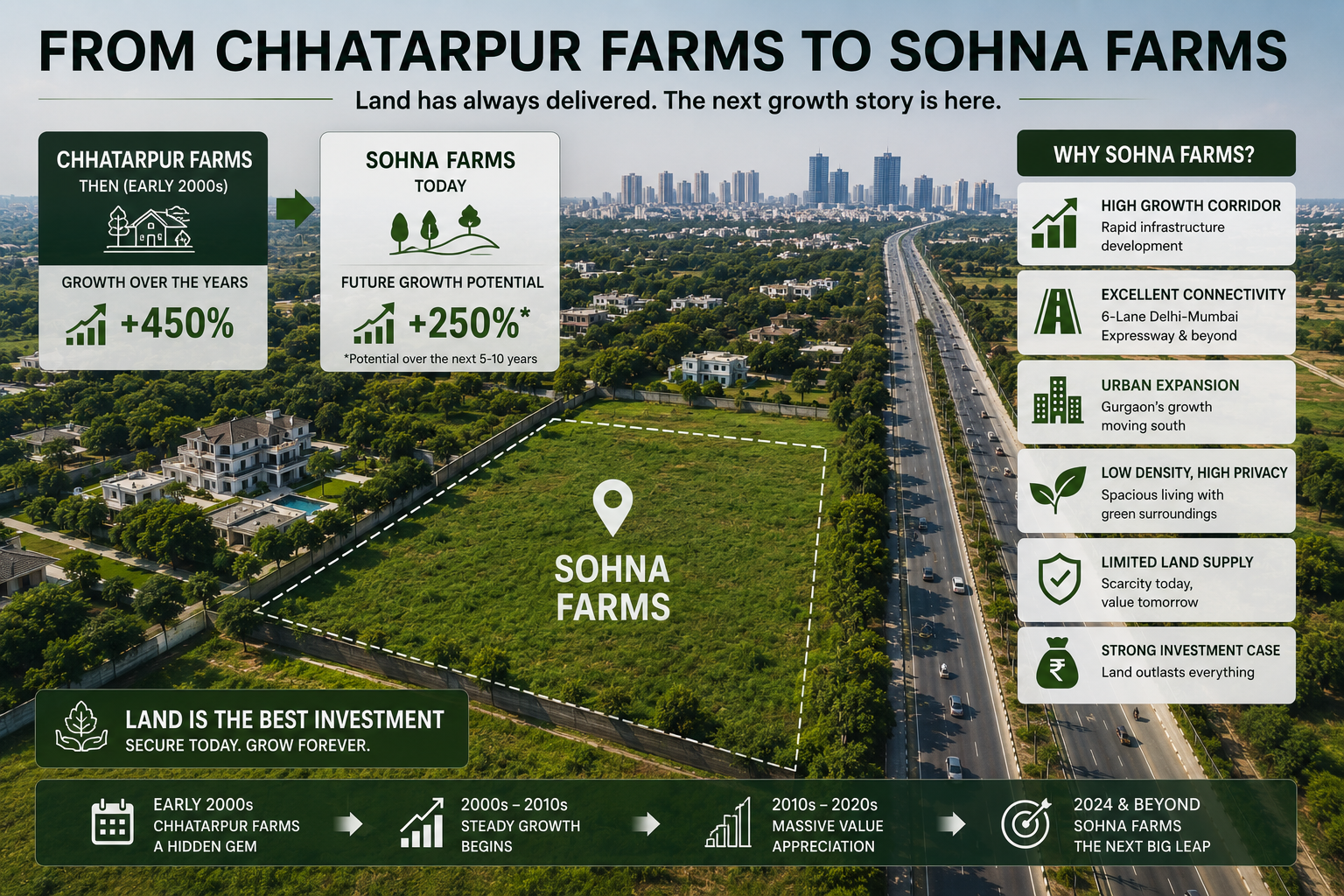
How Chhatarpur Farmhouses Created Multi-Crore Wealth for Early Buyers
What a quiet corner of South Delhi can teach investors about land, scarcity, and long-term wealth creation.
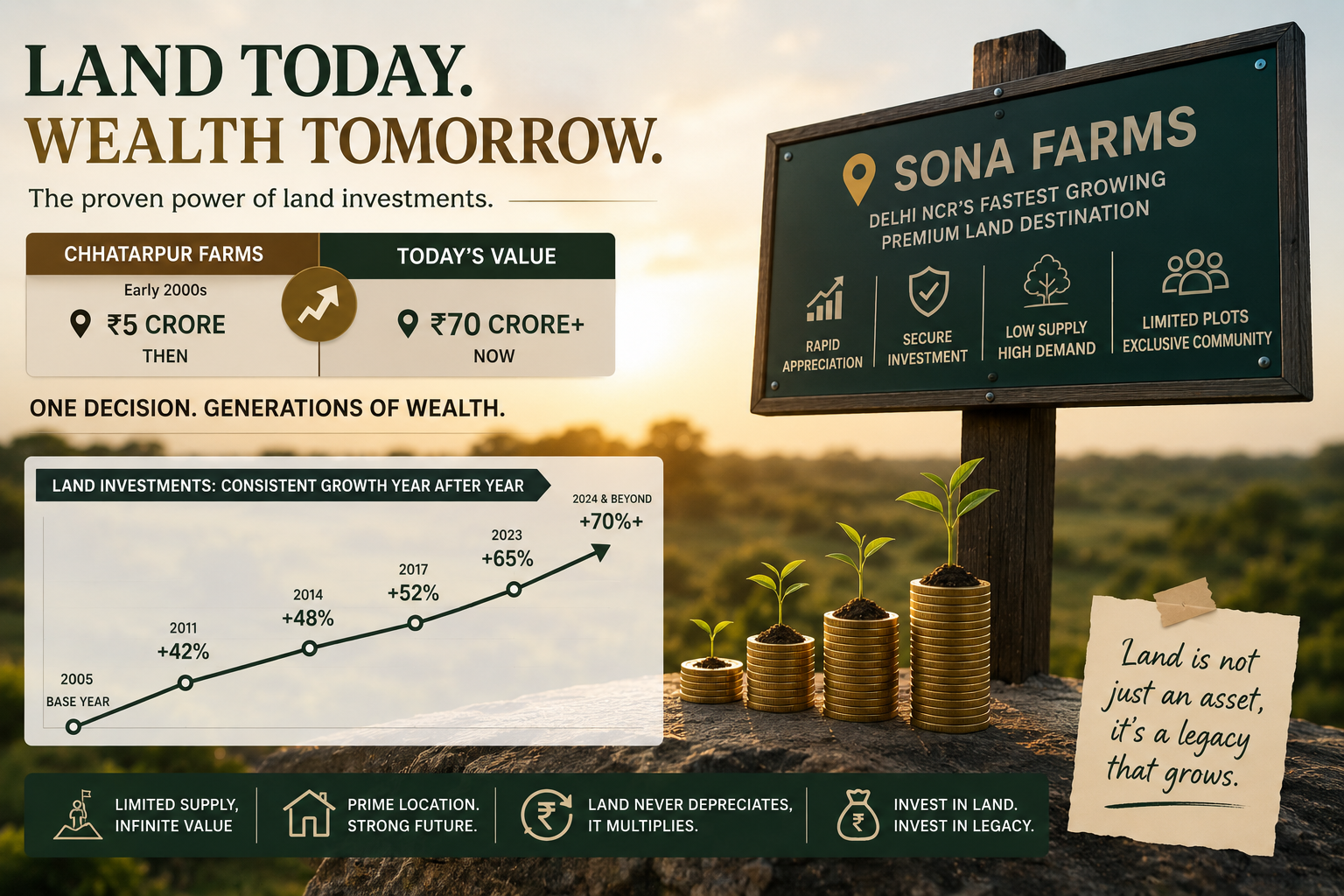
The ₹5 Crore Land Purchase That Became Worth ₹70 Crore
What the Story of DLF Chhatarpur Farms Reveals About Wealth Creation Through Premium Land Ownership
One short email. Stories you can use.
A free, occasional email from our editorial team with our latest features, explainers and reads. Unsubscribe any time — your email stays with us.