The Bifurcated Pantry: How American Households Learned to Arbitrage Mass Retail
As elevated prices alter household calculations, shoppers are systematically dividing their budgets between warehouse discounters and algorithmic novelty feeds, stranding mid-tier merchants.

In recent quarters, Walmart reported that households earning more than $100,000 annually accounted for the majority of its grocery market share gains, while Costco continued to log membership renewal rates near 93 percent. Concurrently, Target grappled with uneven traffic and declining sales across discretionary home furnishings and casual apparel. This divergence points to a structural shift in American commerce: consumers are no longer allocating their spending along predictable socioeconomic tiers, but are actively unbundling their everyday routines.
Years of cumulative inflation have fundamentally altered unit-price sensitivity across income brackets. Rather than cutting spending outright, middle- and upper-middle-income families have adopted tactical procurement habits. Essential pantry staples, household paper goods, and generic cleaning supplies are increasingly routed to bulk clubs or hyper-efficient discounters, leaving fewer dollars on the table for traditional full-line department stores and general merchandisers.
The Disintegration of the One-Stop Trip
For roughly four decades, the foundational economic thesis of suburban retail was convenience aggregation: consumers accepted a nominal markup on groceries in exchange for the ease of purchasing clothes, electronics, and school supplies under a single sprawling roof. Digital infrastructure has broken that pact. The widespread adoption of curbside pickup and delivery platforms like Instacart has reduced the physical friction of multi-store shopping to a matter of a few taps, enabling households to split their weekly basket across two or three separate banners without enduring multiple cross-town drives.
At the same time, the impulse purchase has been stripped from the physical perimeter. Spontaneous buying, which once centered around discount clothing racks and seasonal endcap displays at general merchants, has shifted toward smartphone screens. Platforms such as TikTok Shop and independent merchant ecosystems powered by Shopify have become the primary conduits for casual discovery, delivering short-run beauty products and kitchen gadgets directly to doorsteps via low-overhead logistics networks.
Margin Pressures in the Middle
The modern retail margin is won not by capturing the entire trip, but by dominating either absolute cost efficiency or instantaneous emotional capture.
This realignment leaves mid-market retailers in an unenviable defensive crouch. Giants such as Amazon and Walmart possess the logistical scale to absorb wafer-thin gross margins on food and paper goods, subsidizing retail operations through high-margin ancillary businesses like third-party fulfillment services and digital advertising networks. Retail media alone now generates billions of dollars in high-margin earnings for the largest players, capital that mid-tier competitors cannot easily match to offset aggressive price discounting.
Looking toward the coming retail quarters, this consumer arbitrage shows few signs of reversing. Even as headline inflation metrics normalize, the behavioral routines established during three years of price volatility have hardened into permanent shopping mechanics. The retailers best positioned to defend their returns are those engineered for relentless operational scale at the bottom of the pricing ladder, alongside those nimble enough to capture algorithmic impulse spending at the top, while the broad, undifferentiated middle faces a long structural squeeze.
News Legacy maintains editorial independence. Some recommendations may contain affiliate links. We earn from qualifying purchases at no additional cost to you. Read our policy.
Read Next
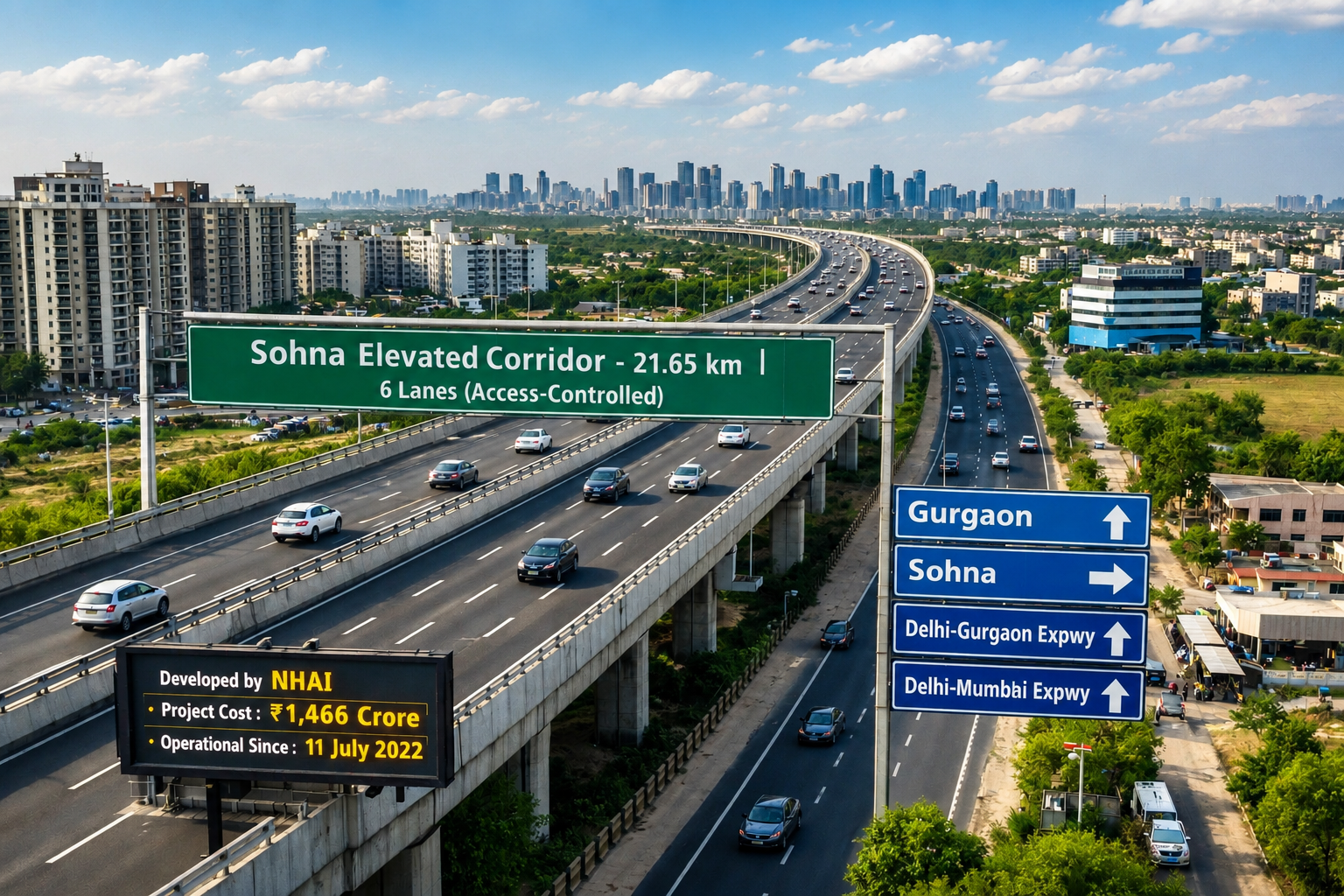
Is Sohna Really the Next Chhatarpur?
Three decades after Chhatarpur redrew South Delhi's map for space, privacy and exclusivity, a familiar pattern is now taking shape further south, and Sohna is where the smart money is beginning to look.
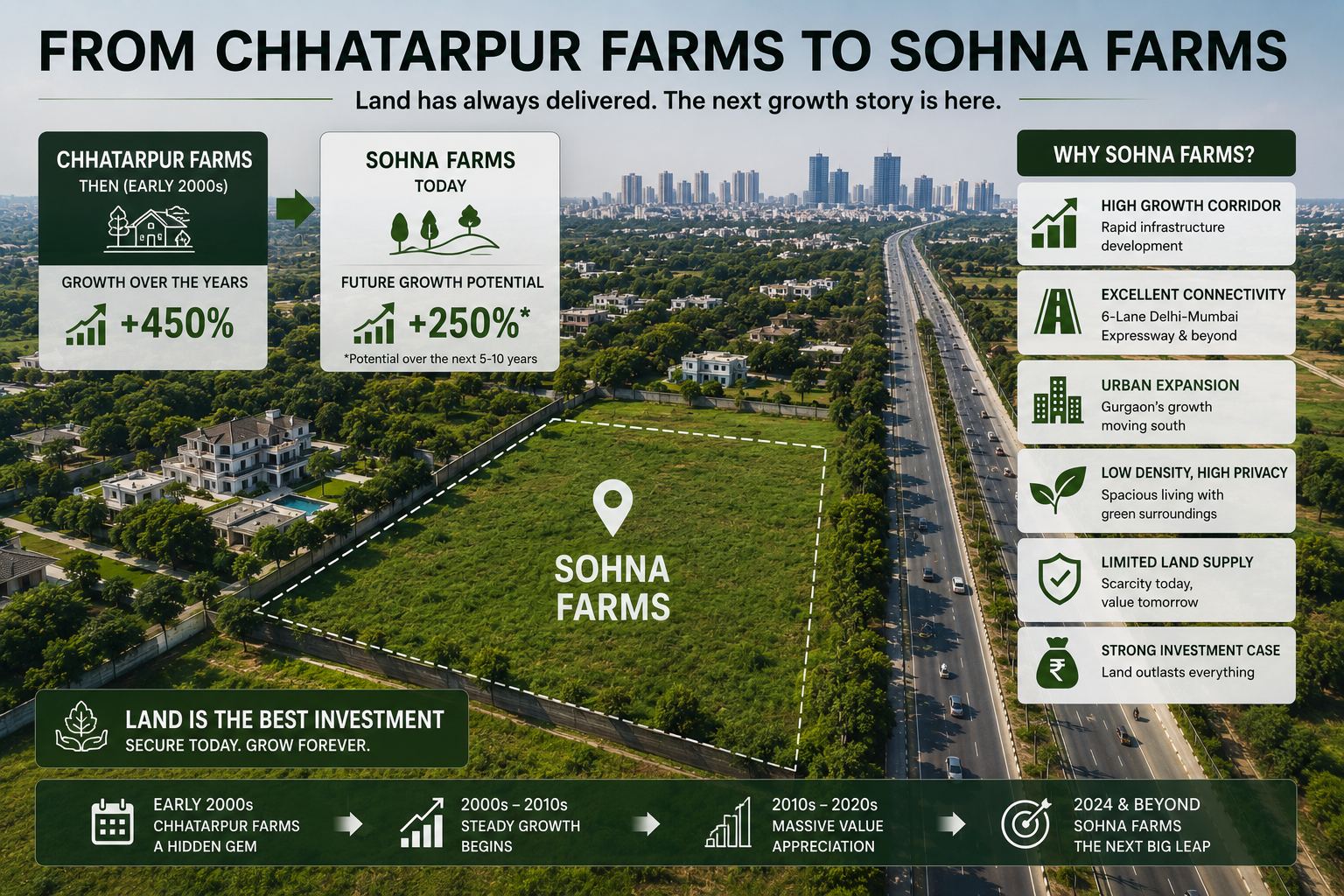
How Chhatarpur Farmhouses Created Multi-Crore Wealth for Early Buyers
What a quiet corner of South Delhi can teach investors about land, scarcity, and long-term wealth creation.
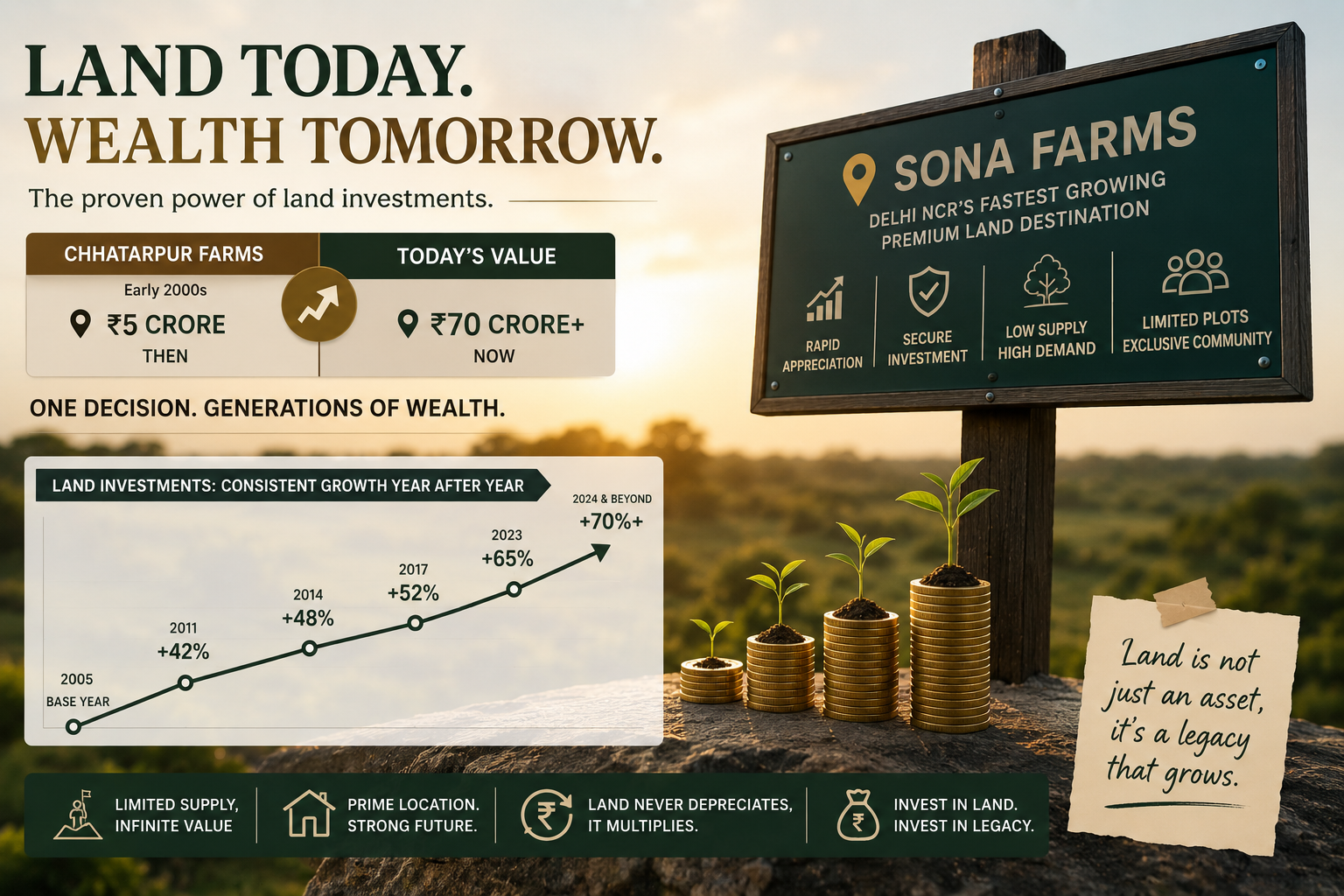
The ₹5 Crore Land Purchase That Became Worth ₹70 Crore
What the Story of DLF Chhatarpur Farms Reveals About Wealth Creation Through Premium Land Ownership
One short email. Stories you can use.
A free, occasional email from our editorial team with our latest features, explainers and reads. Unsubscribe any time — your email stays with us.