The Commercial Imperatives Driving Retail Media's Software Ascent
Retailers are increasingly leveraging their transaction data and digital footprints to build potent advertising platforms. This strategic pivot transforms operational expenses into significant new revenue streams, redefining the competitive landscape.

From Amazon's formidable advertising division, which generated over $14 billion in the first quarter of 2024, to Walmart Connect's expanding reach, the monetization of retail data has moved beyond a tangential interest to a core strategy. This shift underscores a fundamental re-evaluation of retail digital assets, positioning them not just as sales channels but as valuable media properties.
The trajectory of retail media networks is underpinned by a compelling economic logic: retailers possess an unrivaled view of consumer purchase intent and behavior. This first-party data, derived from billions of transactions across physical and digital storefronts, offers advertisers a precision targeting capability that eludes many open internet platforms, presenting a potent alternative to traditional digital advertising channels.
The infrastructure supporting these networks is a sophisticated fusion of ad-tech and commerce tools. Companies like Criteo, PromoteIQ (acquired by Microsoft), and various bespoke internal solutions provide the ad-serving, campaign management, and attribution capabilities. These platforms enable brands to bid for prominent placement on retailer websites, apps, and even in-store digital screens, directly influencing purchase decisions at the point of sale.
Scaling the Ad-Tech Stack
Previously, many retailers viewed their technology investments primarily as cost centers designed to improve operational efficiency or enhance the customer experience. However, the rise of retail media has reclassified these expenditures. The same commerce platforms and data warehouses that power online stores and supply chain logistics are now being extended to host advertising ecosystems, effectively turning a necessary cost into a profit center. This requires robust API integrations and scalable cloud infrastructure to handle the real-time demands of programmatic advertising.
The benefits extend beyond the retailers themselves. Brands, particularly those in consumer packaged goods (CPG), are allocating significant portions of their marketing budgets to these platforms. For instance, a brand selling snacks through Target can directly target shoppers who have previously purchased organic foods or have viewed related product categories, creating highly relevant ad impressions. This direct connection offers clearer ROI metrics compared to broader awareness campaigns.
The strategic advantage lies in the direct conversion path; unlike social media or search ads that navigate a user away, retail media places an offer squarely in the purchasing journey.
Even players not typically seen as traditional retailers are entering the fray. Instacart, for example, has built a substantial advertising business by leveraging its position as a last-mile delivery service. Their data on grocery purchases, dietary preferences, and brand loyalties allows advertisers to reach specific consumer segments with a high degree of accuracy, driving immediate sales within their digital storefront.
Navigating Privacy and Transparency
The increasing reliance on first-party data for retail media, while powerful, also heightens scrutiny around data privacy and transparency. Retailers must carefully balance the commercial utility of this data with consumer expectations and evolving regulatory frameworks. Maintaining trust is paramount; breaches or perceived misuse of data could rapidly erode the value proposition for both consumers and advertisers. Advertisers, in turn, demand clear metrics and transparent reporting to understand the efficacy of their campaigns, ensuring that their media spend is justified and optimized.
The commercialization of retail data through sophisticated software platforms signifies a maturation of e-commerce strategy. What began as an operational necessity has evolved into a differentiated revenue stream, fundamentally altering the competitive dynamics of the retail and advertising sectors. The continued development of these technologies and the strategic acumen with which they are deployed will determine the leaders in this evolving landscape.
News Legacy maintains editorial independence. Some recommendations may contain affiliate links. We earn from qualifying purchases at no additional cost to you. Read our policy.
Read Next

Is Sohna Really the Next Chhatarpur?
Three decades after Chhatarpur redrew South Delhi's map for space, privacy and exclusivity, a familiar pattern is now taking shape further south, and Sohna is where the smart money is beginning to look.
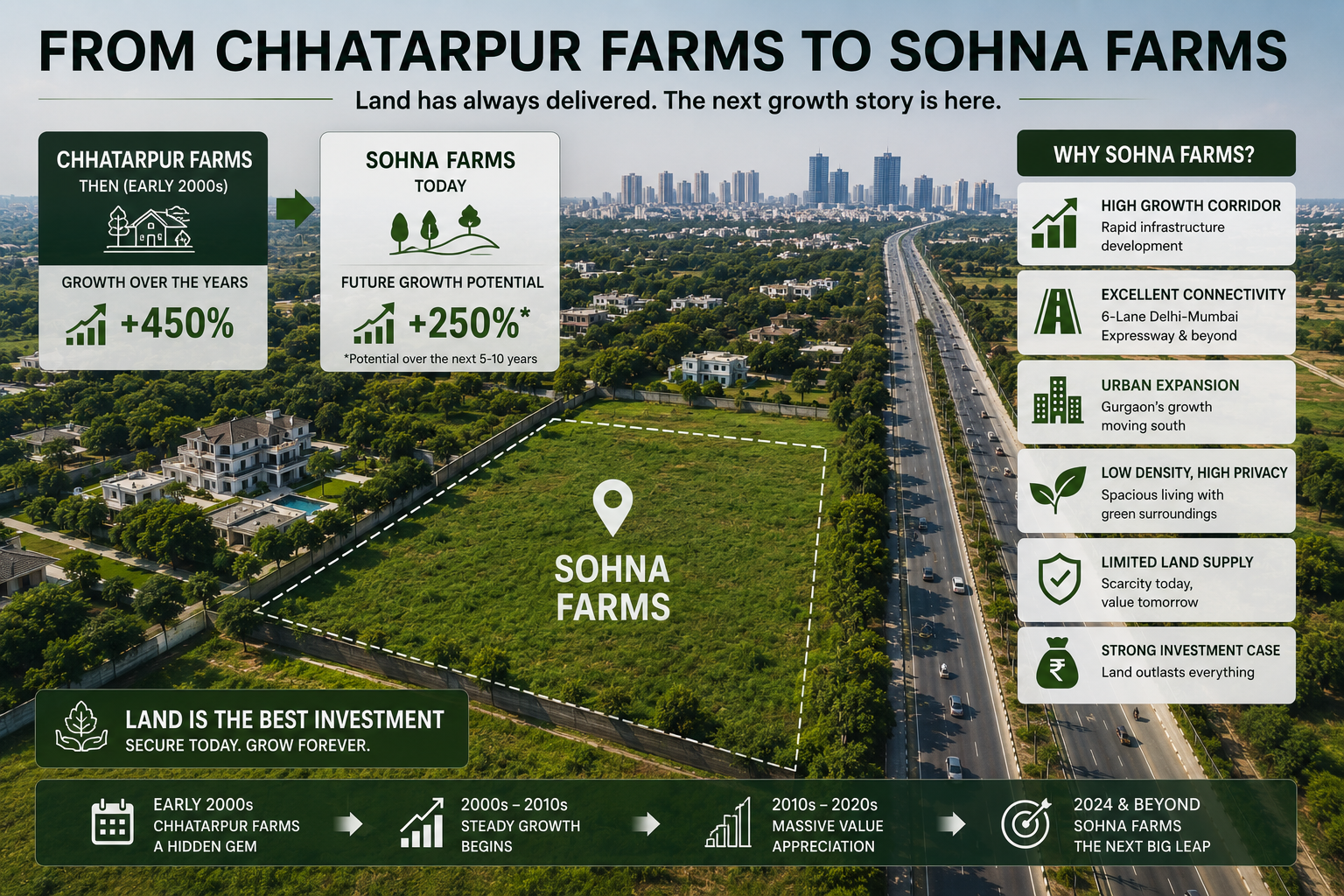
How Chhatarpur Farmhouses Created Multi-Crore Wealth for Early Buyers
What a quiet corner of South Delhi can teach investors about land, scarcity, and long-term wealth creation.

The ₹5 Crore Land Purchase That Became Worth ₹70 Crore
What the Story of DLF Chhatarpur Farms Reveals About Wealth Creation Through Premium Land Ownership
One short email. Stories you can use.
A free, occasional email from our editorial team with our latest features, explainers and reads. Unsubscribe any time — your email stays with us.