The Commission Squeeze: Continental Marketplaces Redraw the Borders of European Affiliate Commerce
As retail media platforms absorb performance capital and Brussels tightens attribution governance, Europe's national e-commerce champions are dismantling traditional referral economics.

Across the distribution corridors of western Poland and eastern Germany, the digital traffic steering shoppers towards checkout baskets is undergoing a structural realignment. Where pan-European merchants once paid standard five-per-cent bounties to coupon portals and price-comparison aggregators, companies such as Zalando and Warsaw-listed Allegro are systematically reallocating performance spend into proprietary attribution systems. This retreat from classical affiliate arrangements marks the end of an era during which third-party referral intermediaries commanded dependable tolls on cross-border transactions.
The underlying catalyst is margin defence. In an operating environment shaped by persistent inflation and heightened capital costs, continental European retailers can no longer subsidise broad-spectrum customer acquisition. Instead, platforms like Bol in the Netherlands and Belgium, alongside Cdiscount in France, are treating external referral links with deepening scepticism, preferring to monetise their existing inventory through internal retail media operations rather than external publisher networks.
The fragmentation of cross-border attribution
Operating across European frontiers has never offered the frictionless uniformity of the North American market. In Germany, affiliate programmes have historically been anchored in rigorous comparison portals such as Idealo, while French consumers migrate towards closed cashback ecosystems run in concert with major credit institutions. In Southern Europe, particularly across Spain and Italy, referral commerce has remained comparatively fragmented, dominated by micro-influencer collectives and messaging-app channels rather than institutional publishers.
The traditional publisher bounty is no longer viewed as growth capital, but as an unnecessary toll on transactions that would largely occur anyway.
Now, sovereign market leaders are using this natural fragmentation to build defensive moats. Allegro's expansion beyond Poland into the Czech Republic and Slovakia relies heavily on bespoke partner programmes that penalise external cookie-dropping in favour of deeply integrated merchant storefronts. Similarly, the rapid rise of secondhand operator Vinted has demonstrated that peer-to-peer liquidity creates its own network effects, rendering the traditional voucher-code affiliate model largely redundant for peer-driven transactions.
Margins migrate from publishers to platforms
Regulatory friction has accelerated this divergence. Stringent enforcement of ePrivacy directives by national watchdogs—most noticeably France's CNIL and Germany's regional data protection authorities—has eroded the tracking hygiene upon which cross-border affiliate networks once relied. With third-party measurement decaying, retailers are clawing attribution back into first-party custody. Carrefour, through its retail media arm Carrefour Links, and REWE Group in Germany are channelling marketing investments directly into loyalty-app engagement and programmatic shelf placement, bypassing third-party affiliate intermediaries entirely.
Even the hyper-local delivery sector reflects this institutional pivot. The surviving entities of Europe's quick-commerce shakeout, such as Berlin-based Flink and the consolidated remnants of the Gorillas network, have abandoned the aggressive referral referral-bounties that characterised their venture-fuelled growth years. Supermarket groups like Lidl, operating under the Schwarz Group umbrella, are instead tying external digital promotions directly to their proprietary loyalty applications, transforming external performance publishers into junior conduits for app downloads rather than arbiters of the basket checkout.
For Europe's established affiliate networks, the implications are severe. To survive, publishers must transition from passive capture points at the final stage of purchase into authentic discovery platforms capable of generating unprompted brand demand. As continental Europe's dominant retail platforms build higher walls around their customer data, the open-web referral fee is increasingly an artefact of a less disciplined commercial era.
News Legacy maintains editorial independence. Some recommendations may contain affiliate links. We earn from qualifying purchases at no additional cost to you. Read our policy.
Read Next

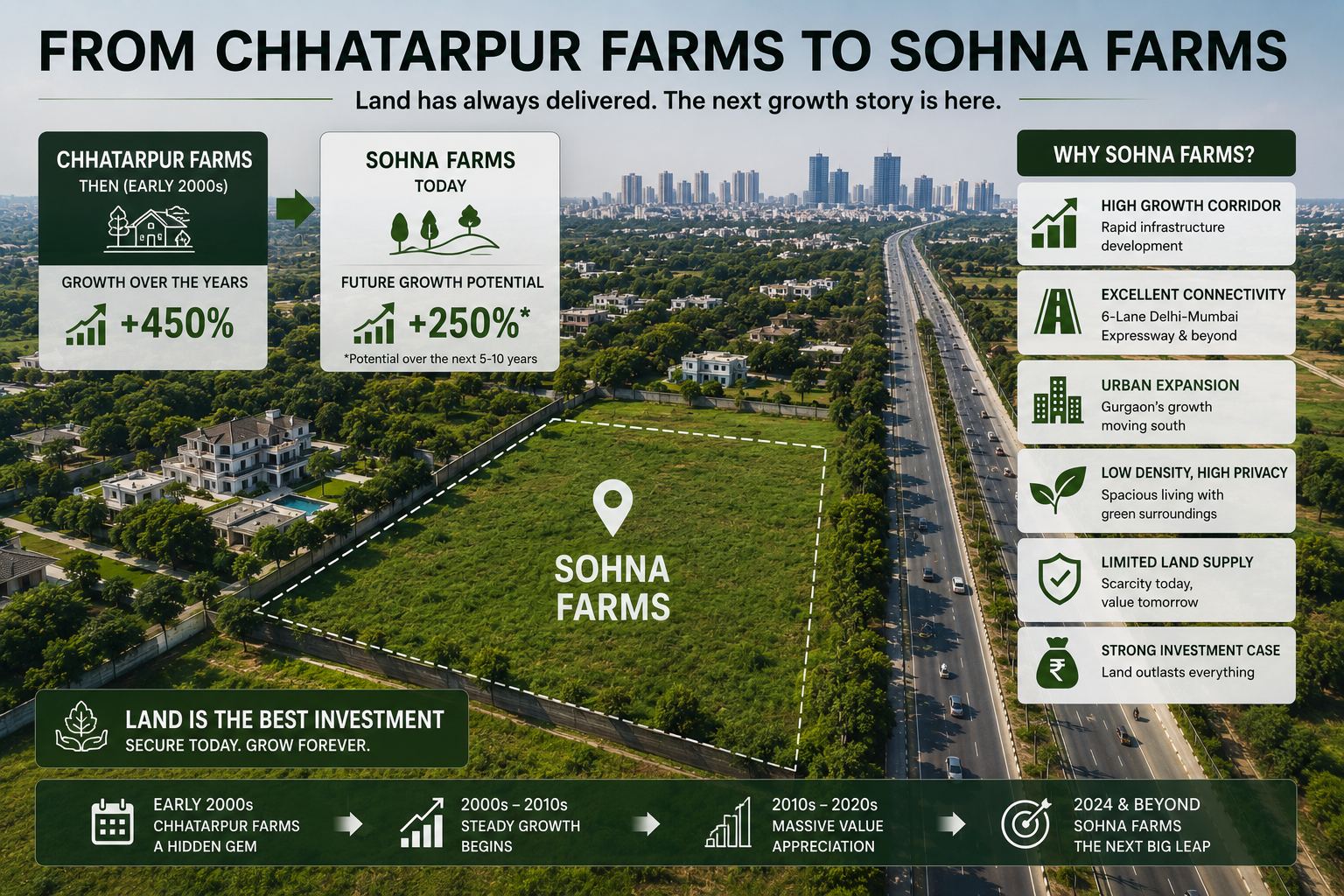
Is Sohna Really the Next Chhatarpur?
Three decades after Chhatarpur redrew South Delhi's map for space, privacy and exclusivity, a familiar pattern is now taking shape further south, and Sohna is where the smart money is beginning to look.
How Chhatarpur Farmhouses Created Multi-Crore Wealth for Early Buyers
What a quiet corner of South Delhi can teach investors about land, scarcity, and long-term wealth creation.

The ₹5 Crore Land Purchase That Became Worth ₹70 Crore
What the Story of DLF Chhatarpur Farms Reveals About Wealth Creation Through Premium Land Ownership
One short email. Stories you can use.
A free, occasional email from our editorial team with our latest features, explainers and reads. Unsubscribe any time — your email stays with us.