The Consolidation Imperative for Europe's Retail Innovators
Venture capital ebbs and market realities shift, forcing a strategic reassessment among Europe's once-profligate retail technology ventures. Survival now often hinges on integration and scale rather than sheer novelty.

Across Europe, the distinctive orange livery of a Gorillas delivery rider has largely vanished, supplanted in many markets by the red branding of Getir, itself navigating a precarious financial landscape. This visible transition, from one rapid grocery disruptor to another, underscores a broader, less heralded shift occurring within the continent's retail technology sector. The era of abundant, growth-at-all-costs venture capital has receded, compelling numerous startups and scale-ups to confront the stark realities of profitability and sustainable market penetration.
For years, investors poured billions into European e-commerce and logistics plays, chasing the promise of digital transformation and accelerated consumer adoption. From Berlin to Barcelona, propositions ranging from instant delivery to AI-driven fashion recommendations proliferated. While some, like Vinted in second-hand fashion or Zalando in apparel, achieved significant scale and market entrenchment, many others found themselves in a highly fragmented, intensely competitive environment, operating on thin margins.
The European market itself presents a unique challenge, marked by diverse languages, regulatory frameworks, and consumer preferences across national borders. A strategy that thrives in Germany, with its strong discount supermarket culture and robust logistics infrastructure, might flounder in the more fragmented retail landscape of Italy or the less densely populated Nordic regions. This heterogeneity often necessitates bespoke adaptations, hindering the 'one-size-fits-all' scaling seen in more homogenous markets.
The Pressure to Consolidate
The current economic climate, characterised by elevated interest rates and tighter capital markets, has intensified pressure on these ventures. Companies that once prioritised rapid expansion and market share acquisition over immediate financial returns are now scrutinising every operational cost. This pivot has manifested in widespread layoffs, strategic withdrawals from unprofitable territories, and, critically, an acceleration of mergers and acquisitions.
The market's current imperative for retail technology is less about audacious disruption and more about resilient, profitable operation at scale. Many now seek integration into broader retail ecosystems.
Established European retail giants, some of whom initially viewed these startups as existential threats, are now emerging as potential acquirers or strategic partners. Carrefour, for instance, has deepened its digital capabilities through various partnerships and acquisitions, while groups like REWE have built their own sophisticated online offerings. This dynamic allows incumbents to absorb innovation and talent without having to cultivate it entirely from scratch, simultaneously providing a lifeline to promising but capital-constrained startups.
Consider the varied fortunes of online marketplaces. While Polish giant Allegro dominates its home market and has expanded into neighbouring regions, and Bol.com holds sway in the Benelux, French competitor Cdiscount operates within a fiercely competitive landscape, balancing its marketplace ambitions with those of its parent group, Casino. Each faces unique national pressures and opportunities for consolidation or strategic alliance, particularly in cross-border logistics and fulfilment.
The instant grocery segment exemplifies this trend acutely. The highly capital-intensive model, reliant on dense urban networks and rapid delivery, proved unsustainable for many without constant capital infusions. The retreat of Gorillas and others paved the way for fewer, stronger players, often backed by deep-pocketed investors or by integrating with existing grocery supply chains. This consolidation is not merely about survival; it is about building more robust, financially viable models that can withstand future economic fluctuations.
Looking forward, the European retail technology landscape is likely to see further rationalisation. Companies that can demonstrate clear paths to profitability, perhaps through niche specialisation, superior operational efficiency, or successful integration into larger retail ecosystems, are best positioned to thrive. The ambition of transforming European commerce remains, but the pathway to achieving it has become considerably more pragmatic and, for many, contingent on strategic amalgamation rather than isolated growth.
News Legacy maintains editorial independence. Some recommendations may contain affiliate links. We earn from qualifying purchases at no additional cost to you. Read our policy.
Read Next

Is Sohna Really the Next Chhatarpur?
Three decades after Chhatarpur redrew South Delhi's map for space, privacy and exclusivity, a familiar pattern is now taking shape further south, and Sohna is where the smart money is beginning to look.
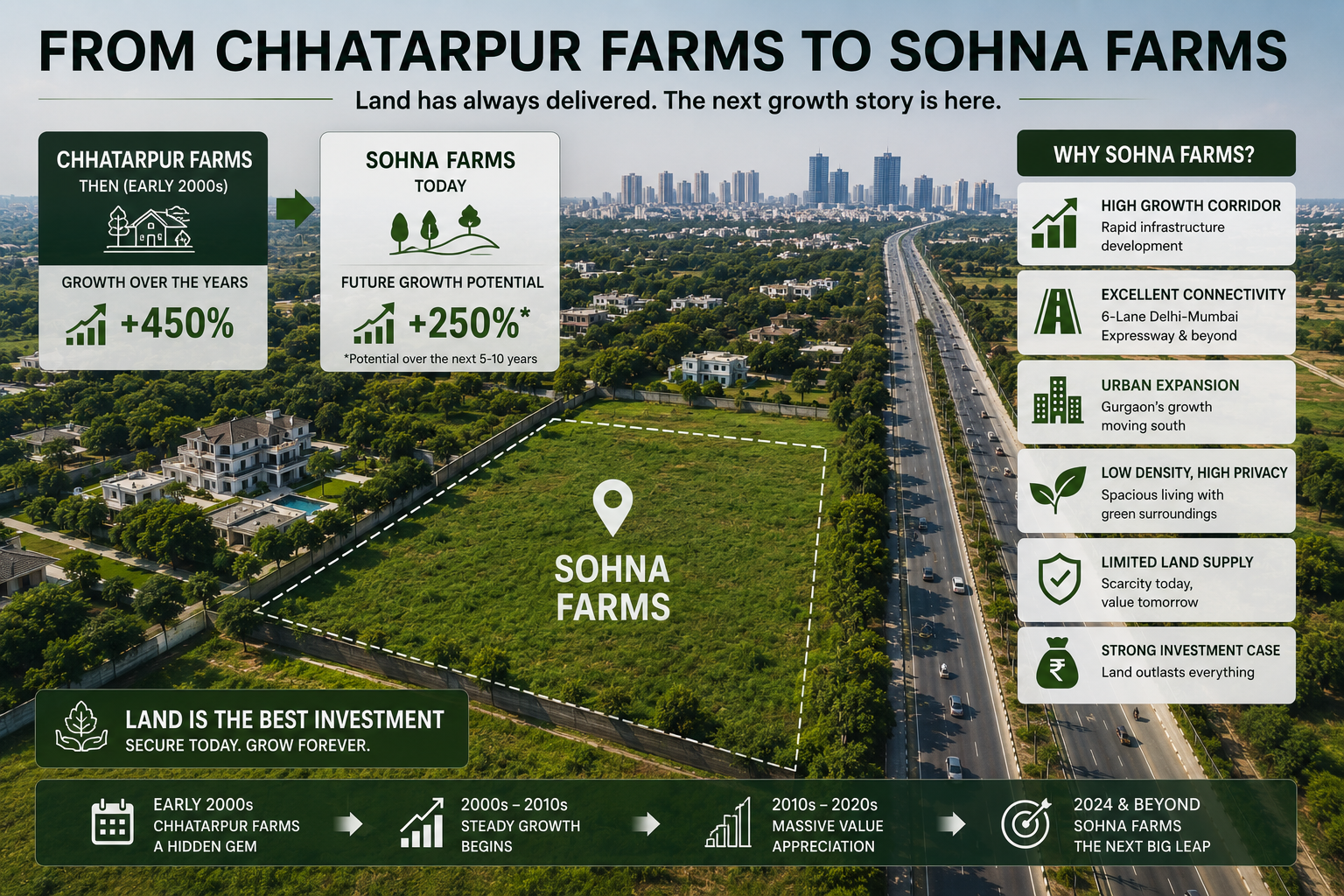
How Chhatarpur Farmhouses Created Multi-Crore Wealth for Early Buyers
What a quiet corner of South Delhi can teach investors about land, scarcity, and long-term wealth creation.
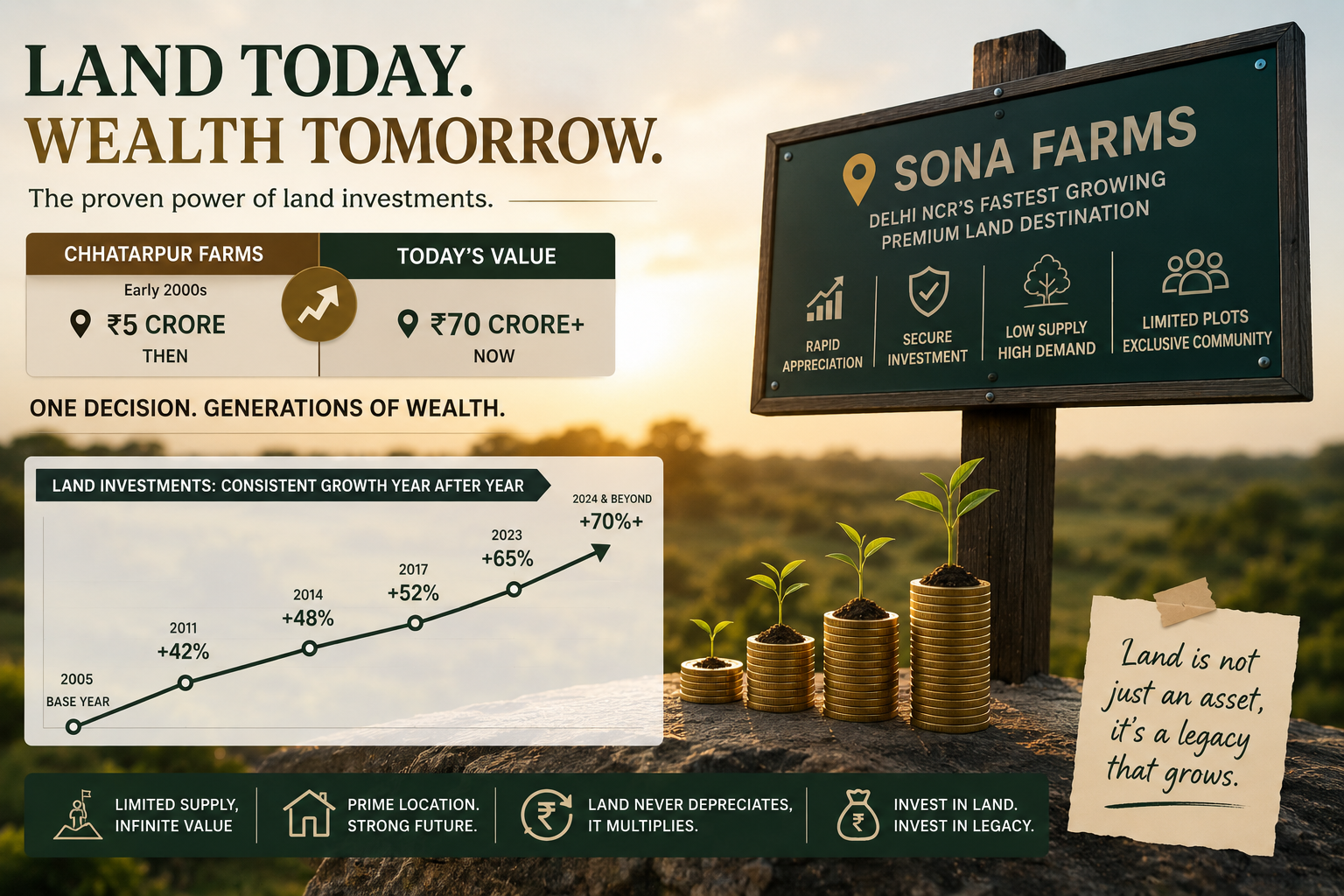
The ₹5 Crore Land Purchase That Became Worth ₹70 Crore
What the Story of DLF Chhatarpur Farms Reveals About Wealth Creation Through Premium Land Ownership
One short email. Stories you can use.
A free, occasional email from our editorial team with our latest features, explainers and reads. Unsubscribe any time — your email stays with us.