The Constrained Consumption: UK Retailers Grapple with Persistent Stagnation
Despite easing inflation, British consumers remain cautious, presenting a protracted challenge for the nation's retail sector as discretionary spending continues to contract.

A recent visit to a Marks & Spencer Food Hall on a Tuesday afternoon revealed aisles that, while stocked, saw fewer baskets than pre-pandemic periods, even as the retailer has invested significantly in store refreshes and premium offerings. This subdued activity is not an isolated observation; it reflects a broader narrative of muted consumer confidence across the United Kingdom, shaping the strategic decisions of companies from Tesco to ASOS.
For well over a year, British households have navigated a sustained squeeze on their real incomes, a situation exacerbated initially by surging energy prices and subsequently by elevated food inflation. While headline inflation figures have now receded considerably from their peak, dipping below 3 per cent, the cumulative effect of these pressures means that discretionary purchasing power remains significantly eroded for many.
Data from the Office for National Statistics indicates that retail sales volumes have shown only sporadic signs of growth, often declining month-on-month. Supermarket giants like Sainsbury's and Tesco have reported robust nominal sales, largely a reflection of higher prices rather than increased unit sales. Their focus has therefore shifted towards loyalty programmes and private-label expansions, attempting to retain value-conscious shoppers.
The Fickle Fortunes of Fashion
The clothing sector illustrates this dynamic particularly starkly. Online fashion retailer ASOS, for instance, has undergone multiple restructuring efforts and leadership changes amidst challenging trading conditions. Consumers are less inclined to refresh wardrobes speculatively, prioritising durability and necessity over fleeting trends. By contrast, Next plc has demonstrated greater resilience, partly due to its robust online platform, integrated logistics, and cautious inventory management, allowing it to adapt more effectively to demand fluctuations.
The era of frictionless, exuberant consumer spending in the UK seems a distant memory, replaced by a climate of deliberate and often delayed purchases.
This caution extends beyond fashion. Even the convenience sector, which benefited immensely from the pandemic-driven shift to home delivery, is facing a re-evaluation. While companies like Deliveroo and Just Eat continue to service a strong demand for takeaways, growth rates have moderated significantly from their pandemic highs, reflecting both market saturation and consumers' increasing scrutiny of delivery fees and subscription costs.
Investment and Innovation Under Pressure
The sustained pressure on consumer spending has direct implications for corporate investment strategies. Retailers are compelled to balance necessary technology upgrades and supply chain efficiencies against the imperative to maintain competitive pricing. Ocado Group, for example, while a technology provider for international grocers, faces a highly competitive and capital-intensive market in its UK retail joint venture with Marks & Spencer, where scaling profitably remains a persistent challenge.
Looking forward, the prospects for a significant rebound in UK retail appear contingent on several factors. A sustained period of real wage growth, coupled with greater clarity on the economic outlook, could gradually restore consumer confidence. However, with interest rates remaining elevated and geopolitical uncertainties persisting, most retailers are bracing for a prolonged period where value and necessity will continue to dictate purchasing decisions, rather than aspirational spending.
News Legacy maintains editorial independence. Some recommendations may contain affiliate links. We earn from qualifying purchases at no additional cost to you. Read our policy.
Read Next

Is Sohna Really the Next Chhatarpur?
Three decades after Chhatarpur redrew South Delhi's map for space, privacy and exclusivity, a familiar pattern is now taking shape further south, and Sohna is where the smart money is beginning to look.
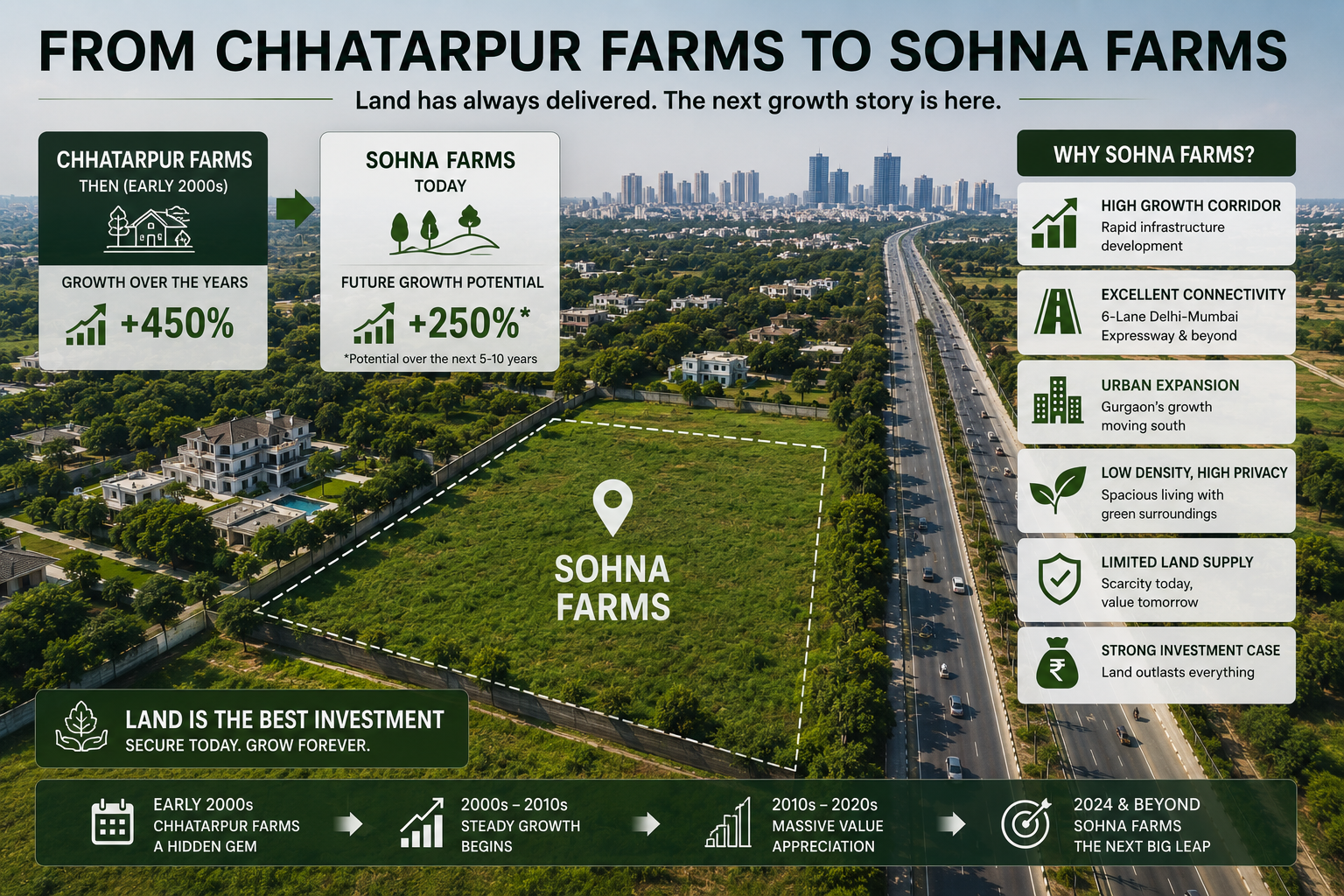
How Chhatarpur Farmhouses Created Multi-Crore Wealth for Early Buyers
What a quiet corner of South Delhi can teach investors about land, scarcity, and long-term wealth creation.
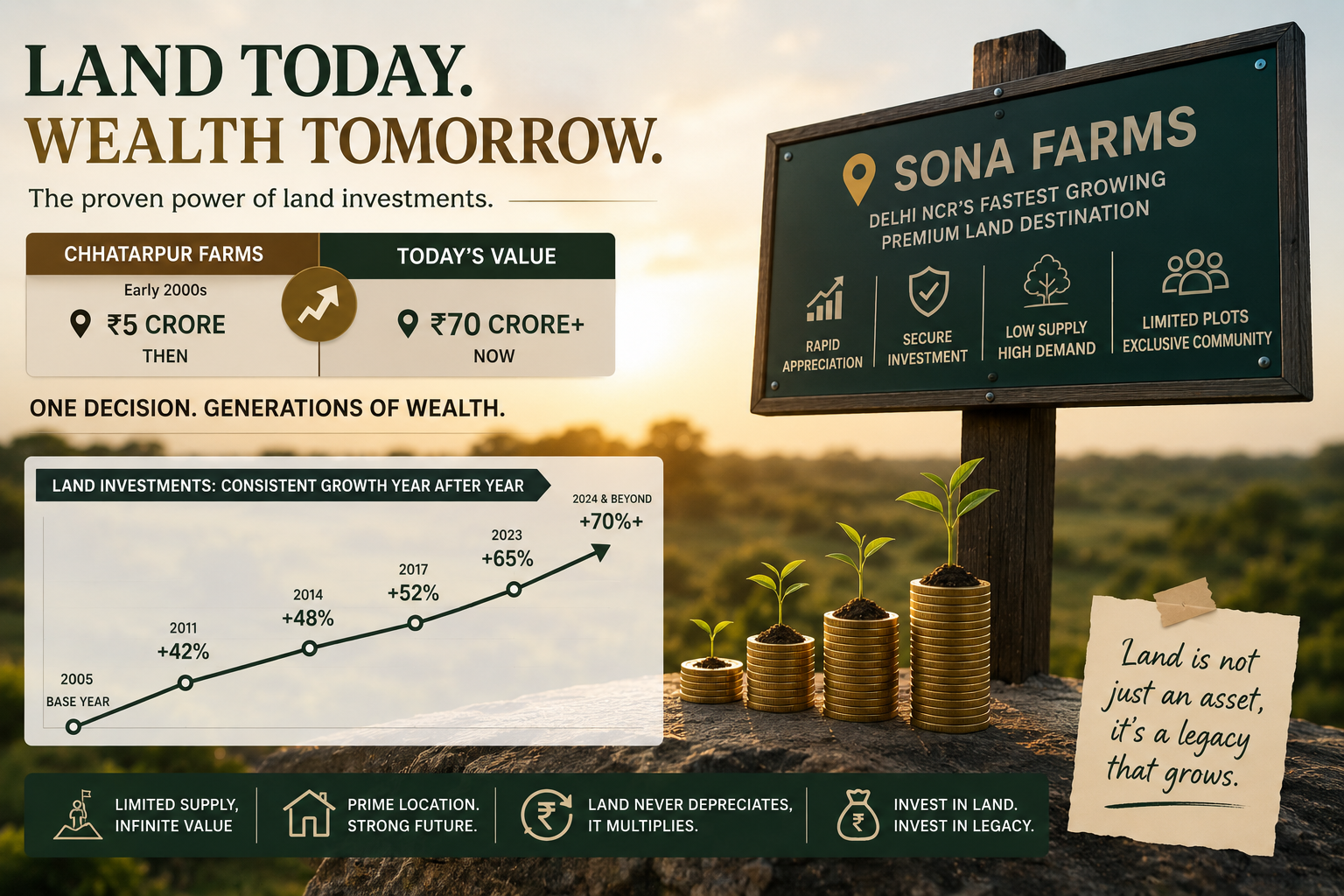
The ₹5 Crore Land Purchase That Became Worth ₹70 Crore
What the Story of DLF Chhatarpur Farms Reveals About Wealth Creation Through Premium Land Ownership
One short email. Stories you can use.
A free, occasional email from our editorial team with our latest features, explainers and reads. Unsubscribe any time — your email stays with us.