The Continental Fortress: European Marketplaces Pivot to Infrastructure as Borderless Ambitions Stall
Confronted by persistent national borders and aggressive low-cost foreign imports, the continent’s leading digital commerce platforms are abandoning rapid cross-border expansion in favour of logistics mutualisation and retail media.

Inside Zalando’s multi-tier distribution facility in Lahr, positioned beside the Franco-German border, automated sorting systems route parcels destined for distinctly fragmented tax regimes and national parcel networks. The logistical complexity visible on the sorting floor encapsulates the stubborn reality of the European single market: borderless on paper, but commercially compartmentalised by language, return habits, and payment preferences. For much of the past decade, investors operated under the assumption that a singular European digital bazaar would eventually emerge to rival American incumbents. Instead, the continent has consolidated into an archipelago of entrenched regional champions.
The landscape reflects deep regional divergence. In the Low Countries, Bol commands a level of customer fidelity that has consistently repelled foreign incursions. Across Poland, Allegro retains an unmatched domestic dominance, while Cdiscount anchors promotional e-commerce in France alongside traditional retail heavyweights such as Carrefour and E.Leclerc. Meanwhile, food retail giants including REWE and the Schwarz Group, parent of Lidl, have largely stepped back from open marketplace experiments, having watched the venture-fuelled rapid delivery sector—exemplified by Flink and the absorbed remnants of Gorillas—burn through capital in an unforgiving low-margin environment.
The High Cost of Cultural Boundaries
The friction of European expansion is rarely technological; it is behavioural and operational. In Germany, elevated return rates and an enduring consumer preference for open-invoice settlements impose heavy cash-flow burdens on multi-category merchants. In Spain and Italy, where domestic e-commerce penetration lagged for years, platforms contend with fragmented regional logistics and price sensitivity that makes customer acquisition prohibitively expensive. In the Nordics, digital identity verification systems and bespoke delivery networks create domestic moats that require disproportionate capital to cross.
Allegro’s recent integration of the Mall Group across the Czech Republic and Slovakia provided a sober demonstration of this friction. Exporting Polish platform dominance beyond the border required substantial operational write-downs and prolonged merchant onboarding, proving that brand equity rarely travels across the Tatra mountains without friction.
Scale in European commerce is no longer determined by the size of a digital catalogue, but by the density and efficiency of regional fulfilment networks.
The strategic calculus has grown urgent as cross-border discount networks, notably Temu and Shein, flood European air hubs from Liège to Frankfurt with direct-from-factory consignments, exploiting the European Union’s sub-€150 customs duty exemption. Unable to compete on the floor price of unbranded sundries, domestic champions are retreating into infrastructural defensibility. Zalando’s push into its ZEOS initiative—opening its proprietary logistics and inventory management software to third-party brands selling on rival channels—represents this strategic turn. The platform is repositioning itself as a utility provider for European retail, capturing margin from the operational plumbing rather than pure transaction fees.
Fulfilment as a Defensive Bastion
Simultaneously, retail media and dense automated drop-off infrastructure have emerged as the primary engines of profitability. Bol has transformed its high-intent search traffic into an advertising operation that yields margins far higher than underlying merchandise sales. In circular fashion, Lithuania-founded Vinted achieved profitability by constructing a cross-border peer-to-peer network underpinned not by expensive doorstep delivery, but by low-cost automated parcel lockers across France, Spain, and Italy through its dedicated shipping arm, Vinted Go.
By avoiding the labour liabilities and route inefficiencies that crippled early-stage delivery platforms, second-hand marketplaces and logistics-led operators have demonstrated where real defensibility resides. As Brussels debates reforms to eliminate duty-free thresholds on micro-parcels and enforces stricter environmental disclosure rules under the Corporate Sustainability Due Diligence Directive, the structural advantages of domestic inventory holding will widen.
The dream of a unified, pan-European digital platform operated by a single sovereign winner has drawn to a close. In its place stands an interconnected federation of regional platforms, whose ultimate shield against external disruption is not digital reach, but the concrete, unglamorous mastery of European freight corridors.
News Legacy maintains editorial independence. Some recommendations may contain affiliate links. We earn from qualifying purchases at no additional cost to you. Read our policy.
Read Next
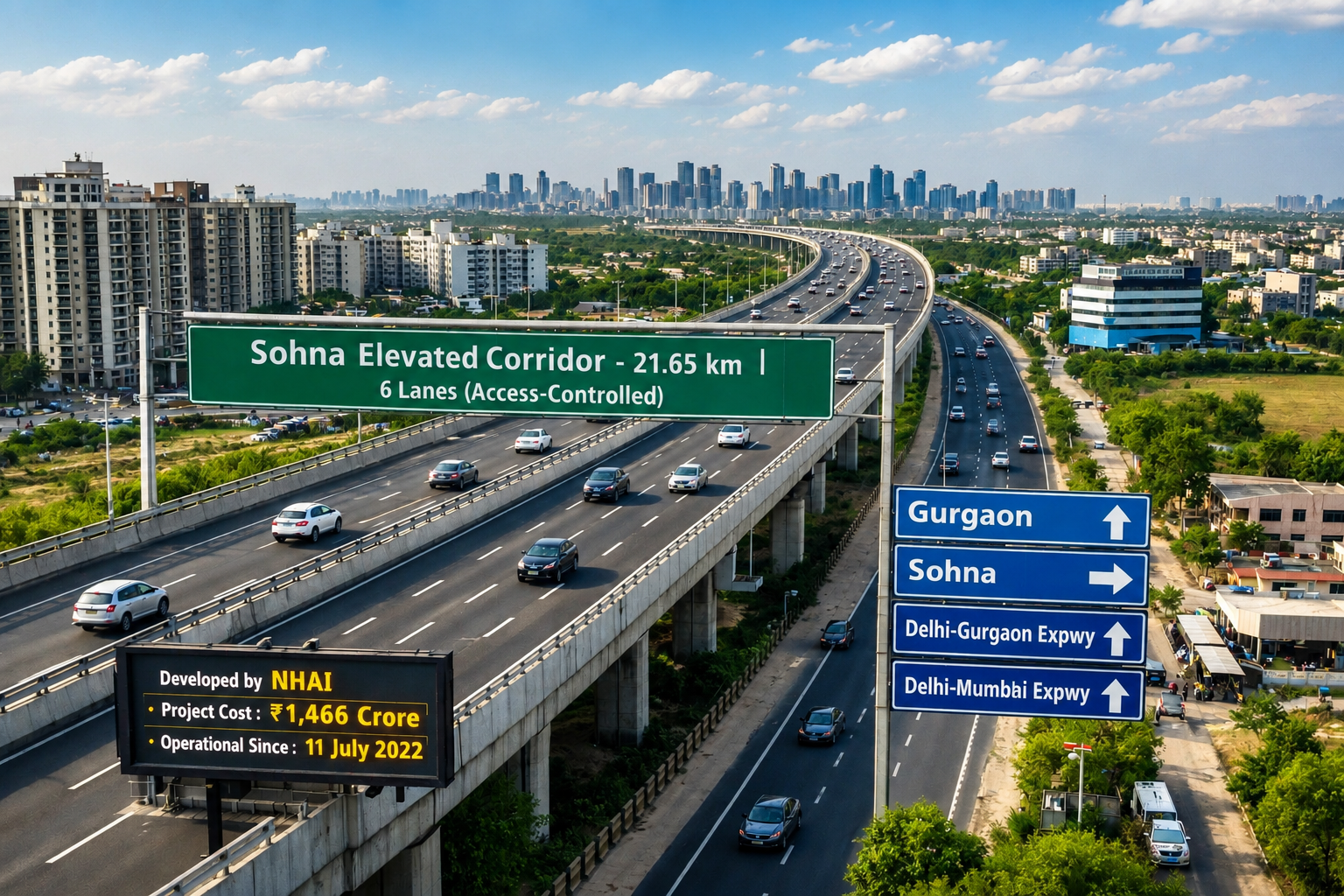
Is Sohna Really the Next Chhatarpur?
Three decades after Chhatarpur redrew South Delhi's map for space, privacy and exclusivity, a familiar pattern is now taking shape further south, and Sohna is where the smart money is beginning to look.

How Chhatarpur Farmhouses Created Multi-Crore Wealth for Early Buyers
What a quiet corner of South Delhi can teach investors about land, scarcity, and long-term wealth creation.

The ₹5 Crore Land Purchase That Became Worth ₹70 Crore
What the Story of DLF Chhatarpur Farms Reveals About Wealth Creation Through Premium Land Ownership
One short email. Stories you can use.
A free, occasional email from our editorial team with our latest features, explainers and reads. Unsubscribe any time — your email stays with us.