The Continental Middleware Tax: How Retail Fragmentation Is Forcing Europe’s Merchants into Costly Integration Layers
As national digital champions resist pan-European consolidation, consumer brands are turning to complex SaaS orchestration tools simply to balance ad budgets and stock levels across sovereign borders.

In a distribution facility outside Poznań, palleted shipments bound for domestic fulfilment centres diverge sharply in inventory logic from those destined for logistics hubs across the German border in Saxony. While Allegro dictates algorithmic merchandising and payment flows across Poland, Zalando and REWE command entirely separate digital storefront parameters across German-speaking territories. For continental brand directors, selling across the European Union single market increasingly looks less like a frictionless trading zone and more like a high-friction puzzle of proprietary enterprise architectures.
The root of this operational drag lies in Europe's stubborn marketplace pluralism. Where consumer brands in the United States allocate the overwhelming bulk of their retail media and catalogue spend to a single dominant platform, European merchants must maintain costly parity across a fragmented cast of sovereign winners. Bol dominates the Benelux; Cdiscount retains durable customer loyalty in regional France; Carrefour and Lidl have constructed their own closed-loop retail media properties; and platforms such as Vinted have reshaped second-hand apparel economics from Vilnius to Madrid.
The multi-engine dilemma
This structural divergence has proved remarkably lucrative for a specialised tier of commerce software vendors. Enterprise catalogue orchestrators, feed-management engines, and programmatic retail media aggregators are no longer optional efficiency tools for continental manufacturers; they have become non-negotiable infrastructure. Brands allocating tens of millions of euros annually across digital channels must deploy specialised middleware merely to translate product data schemas, balance inventory levels between competing fulfilment networks, and normalise disparate performance reports.
The financial consequence is substantial. Industry observers calculate that mid-sized European consumer goods groups now routinely allocate between 3 and 6 per cent of digital gross merchandise value strictly to software subscription licences, system integration work, and bespoke API connectors. In grocery and ambient food, where the costly collapse of the Gorillas venture accelerated a more disciplined era of platform-to-store tie-ups between Flink and established supermarket chains, margins cannot comfortably absorb duplicate technical overheads. A miscalibrated discount triggered on an Italian marketplace can bleed stock earmarked for Nordic distribution centres within hours if the synchronisation tier lags by even a few minutes.
The promise of the digital single market has effectively been subcontracted to enterprise middleware.
Sovereign networks and data borders
The friction is compounding as retail media networks emerge as the primary margin engine for traditional grocers. Carrefour’s collaborative advertising ventures and the programmatic ad stacks deployed by REWE require distinct attribution feeds, each governed by differing local interpretations of European data protection standards and e-privacy rules. What passes compliance audits with French regulators often requires structural data re-engineering before deployment across Spanish or German customer segments.
For business software providers, continental Europe represents an enduringly captive market. The structural diversity of European commerce—spanning language barriers, domestic payment clearing systems, and fiercely protected regional logistics monopolies—means genuine platform consolidation remains a distant prospect. Until a single operator manages to bridge Poland, the Mediterranean, and the North Sea, the most dependable profits in European digital trade will not accrue to the storefronts, but to the middleware quietly knitting them together.
News Legacy maintains editorial independence. Some recommendations may contain affiliate links. We earn from qualifying purchases at no additional cost to you. Read our policy.
Read Next
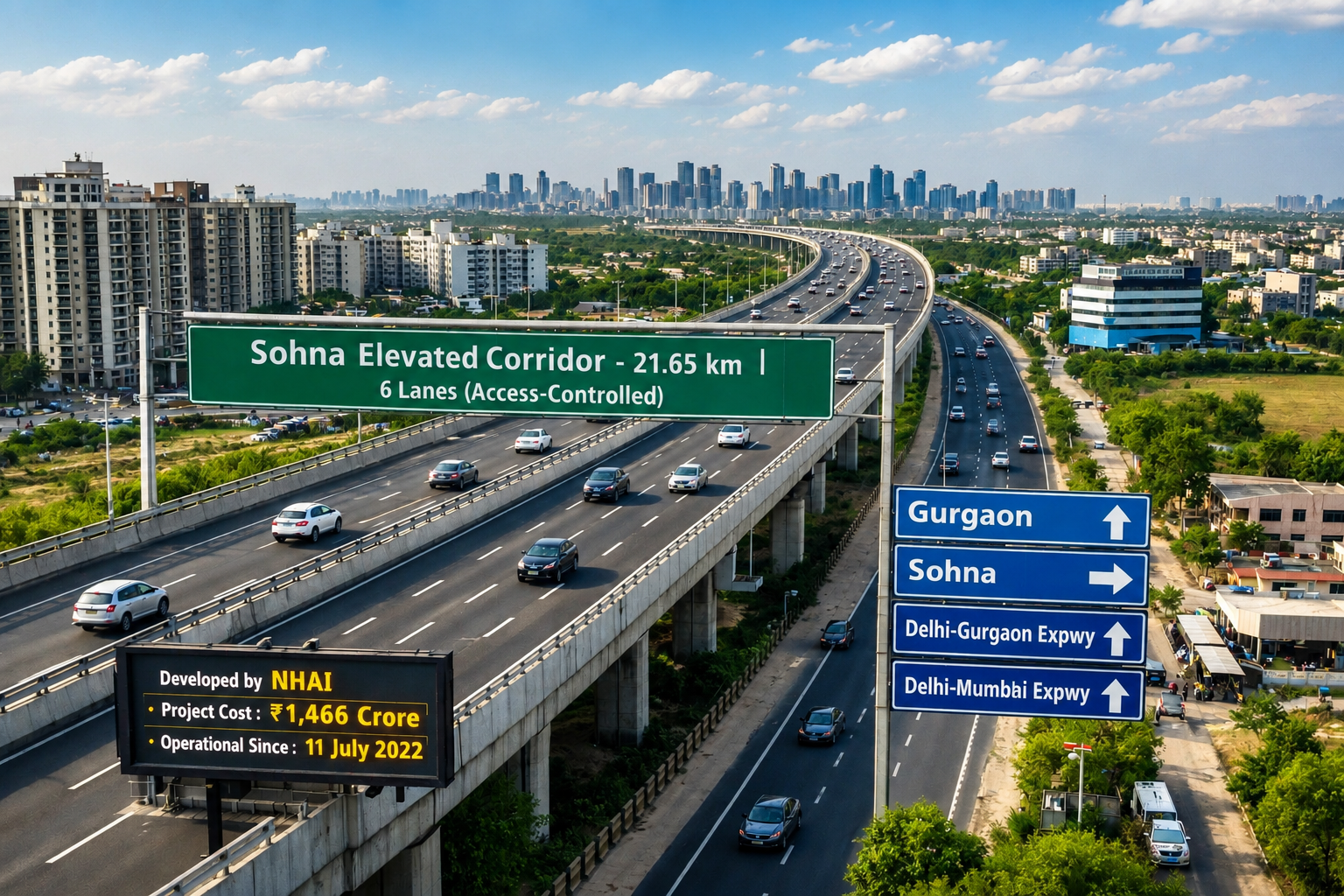
Is Sohna Really the Next Chhatarpur?
Three decades after Chhatarpur redrew South Delhi's map for space, privacy and exclusivity, a familiar pattern is now taking shape further south, and Sohna is where the smart money is beginning to look.
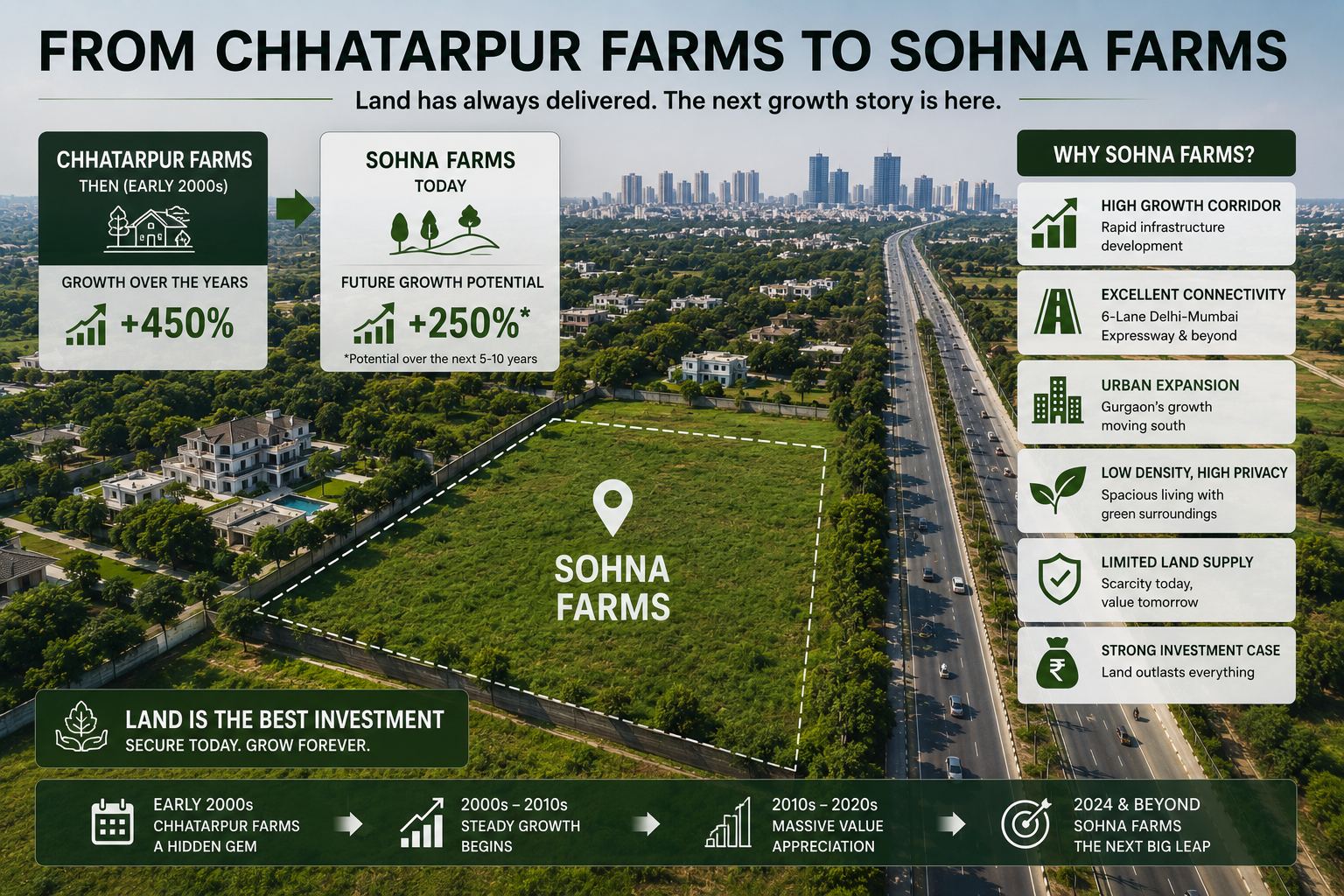
How Chhatarpur Farmhouses Created Multi-Crore Wealth for Early Buyers
What a quiet corner of South Delhi can teach investors about land, scarcity, and long-term wealth creation.
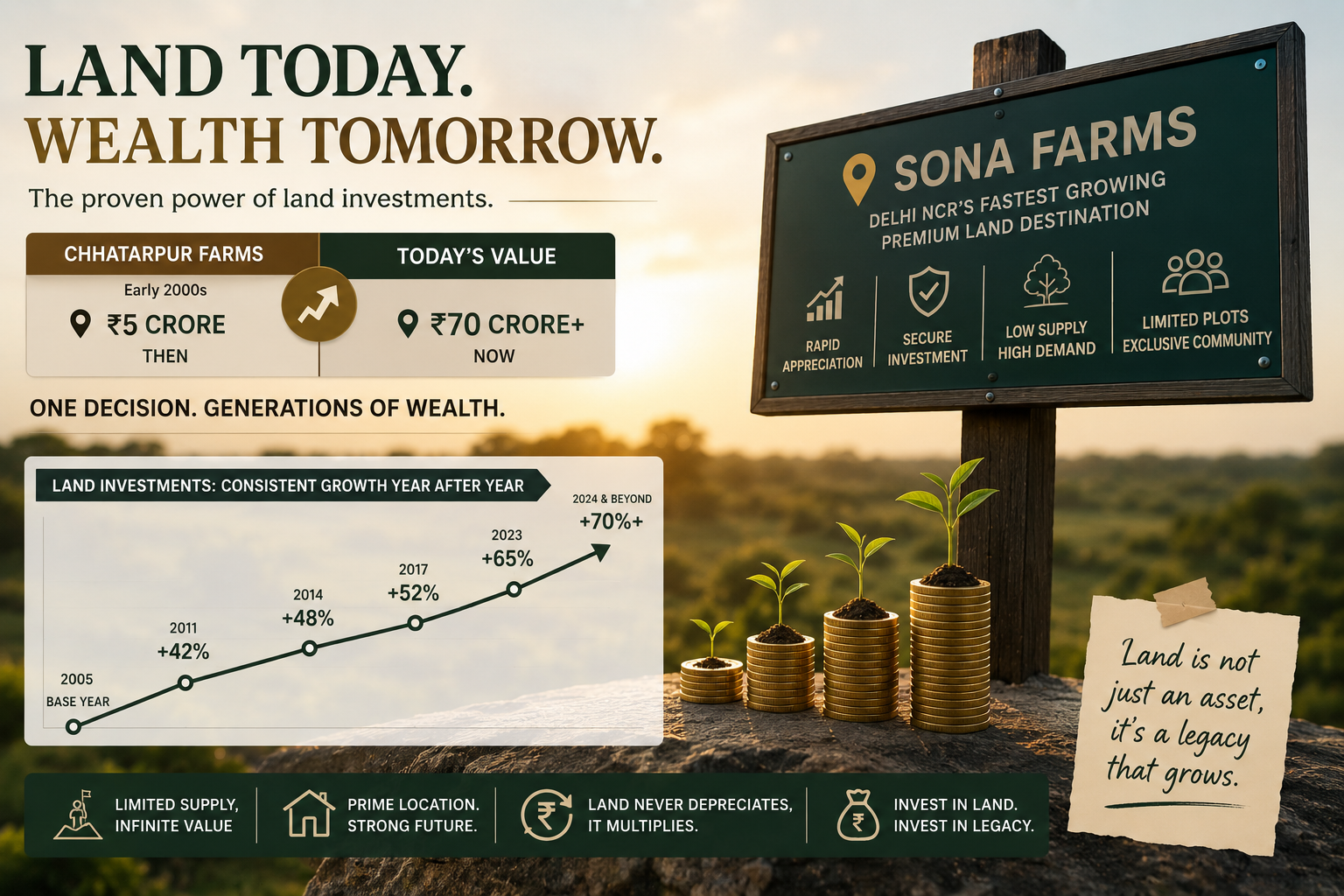
The ₹5 Crore Land Purchase That Became Worth ₹70 Crore
What the Story of DLF Chhatarpur Farms Reveals About Wealth Creation Through Premium Land Ownership
One short email. Stories you can use.
A free, occasional email from our editorial team with our latest features, explainers and reads. Unsubscribe any time — your email stays with us.