The Creator Economy's UK High Street Convergence
Digital tastemakers are shifting from pure online influence to tangible commercial ventures, prompting established British retailers to rethink their engagement strategies or risk obsolescence.

A recent stroll through London's Covent Garden reveals more than just flagship stores; pop-up shops, often fronted by social media personalities, are increasingly vying for consumer attention. These ephemeral retail spaces, sometimes featuring queues stretching down the pavement, underscore a burgeoning trend: the UK's creator economy is moving beyond digital endorsements and into direct commerce, challenging traditional retail models and prompting a strategic reassessment by established players.
For years, creators primarily monetised their influence through affiliate links, sponsored content, and platform ad revenue. This ecosystem, while lucrative for many, largely kept their commercial activities at arm's length from their audience. Now, a growing number are launching their own product lines – from fashion and beauty to food and homewares – leveraging their direct connection to a highly engaged consumer base.
This shift is not merely about celebrities lending their name to products; it involves creators building bespoke brands from the ground up, often with a deep understanding of their audience's unmet needs or preferences. The barriers to entry for product development and distribution have lowered significantly, enabling individuals to compete with established brand portfolios.
From Influence to Inventory
The trajectory from content creation to commercial enterprise is becoming a well-trodden path. A beauty influencer with a substantial following on TikTok, for instance, can launch a skincare line knowing they have a ready-made market for early adoption and feedback. Similarly, food vloggers are transforming successful online recipes into physical products stocked in independent delis or even national grocers. This direct-to-consumer approach allows for agile product development and authentic brand storytelling, often resonating more deeply than traditional advertising campaigns.
UK retailers, from grocery giants like Tesco and Sainsbury's to fashion stalwarts such as ASOS and Next, are observing this trend with varying degrees of engagement. Some, like Marks & Spencer, have explored collaborations with prominent personalities for specific collections, aiming to inject fresh appeal into their offerings. Others are grappling with how to integrate these nimble, personality-driven brands into their often-unwieldy supply chains and merchandising strategies without diluting their own brand identity.
The challenge for traditional retail is no longer just about competing on price or convenience, but on relevance and authenticity in an increasingly fragmented consumer landscape.
The financial implications are substantial. While precise aggregate figures for the UK creator-led brand market are still emerging, individual success stories indicate significant revenue generation. A popular fashion creator launching a capsule collection could see sales figures in the hundreds of thousands of pounds within days, far surpassing the typical performance of many emerging brands relying solely on traditional marketing channels.
The High Street's Hybrid Future
This phenomenon also extends to the logistics sector. Companies like Deliveroo and Just Eat, traditionally focused on restaurant and grocery delivery, are seeing an opportunity in fulfilling orders for creator-owned food brands or even non-food items, expanding their operational scope. The agility required to manage fluctuating demand for creator-led products aligns well with the on-demand infrastructure developed for food services.
The confluence of digital influence and physical product marks a pivotal moment for the UK retail sector. Companies that proactively adapt, perhaps by developing incubator programmes for creator brands or by revamping their buying processes to accommodate smaller, more agile suppliers, stand to benefit. Those that cling solely to legacy models may find themselves increasingly out of step with a consumer base whose purchasing decisions are increasingly shaped by trusted digital voices.
The future of the high street and online retail in the UK will likely involve a hybrid model, where traditional retailers act as platforms and partners for creator-led ventures, blending established infrastructure with the dynamic appeal of individual influence. This evolution is not a distant prospect but an ongoing transformation, already manifesting in our shopping centres and digital carts.
News Legacy maintains editorial independence. Some recommendations may contain affiliate links. We earn from qualifying purchases at no additional cost to you. Read our policy.
Read Next

Is Sohna Really the Next Chhatarpur?
Three decades after Chhatarpur redrew South Delhi's map for space, privacy and exclusivity, a familiar pattern is now taking shape further south, and Sohna is where the smart money is beginning to look.
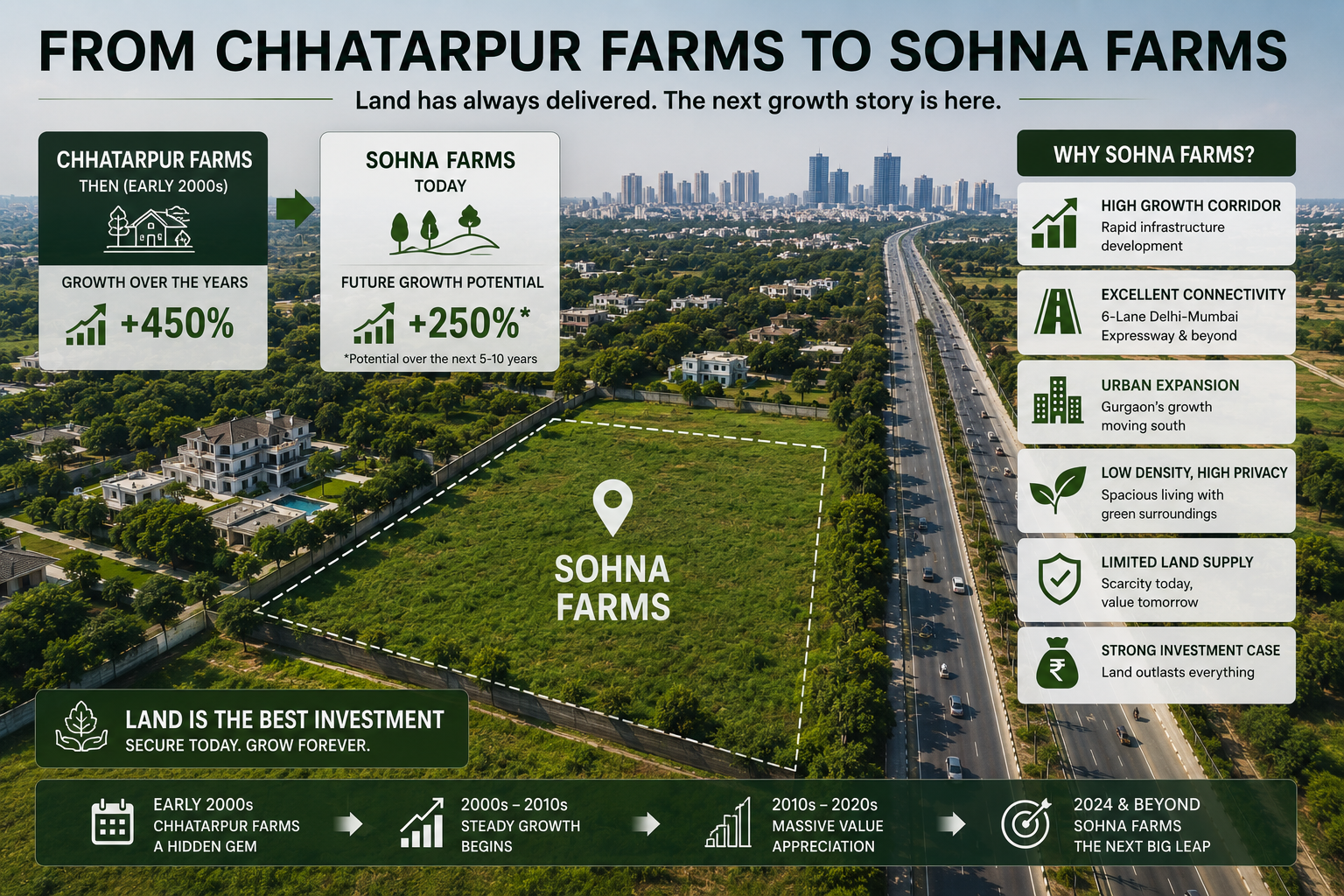
How Chhatarpur Farmhouses Created Multi-Crore Wealth for Early Buyers
What a quiet corner of South Delhi can teach investors about land, scarcity, and long-term wealth creation.
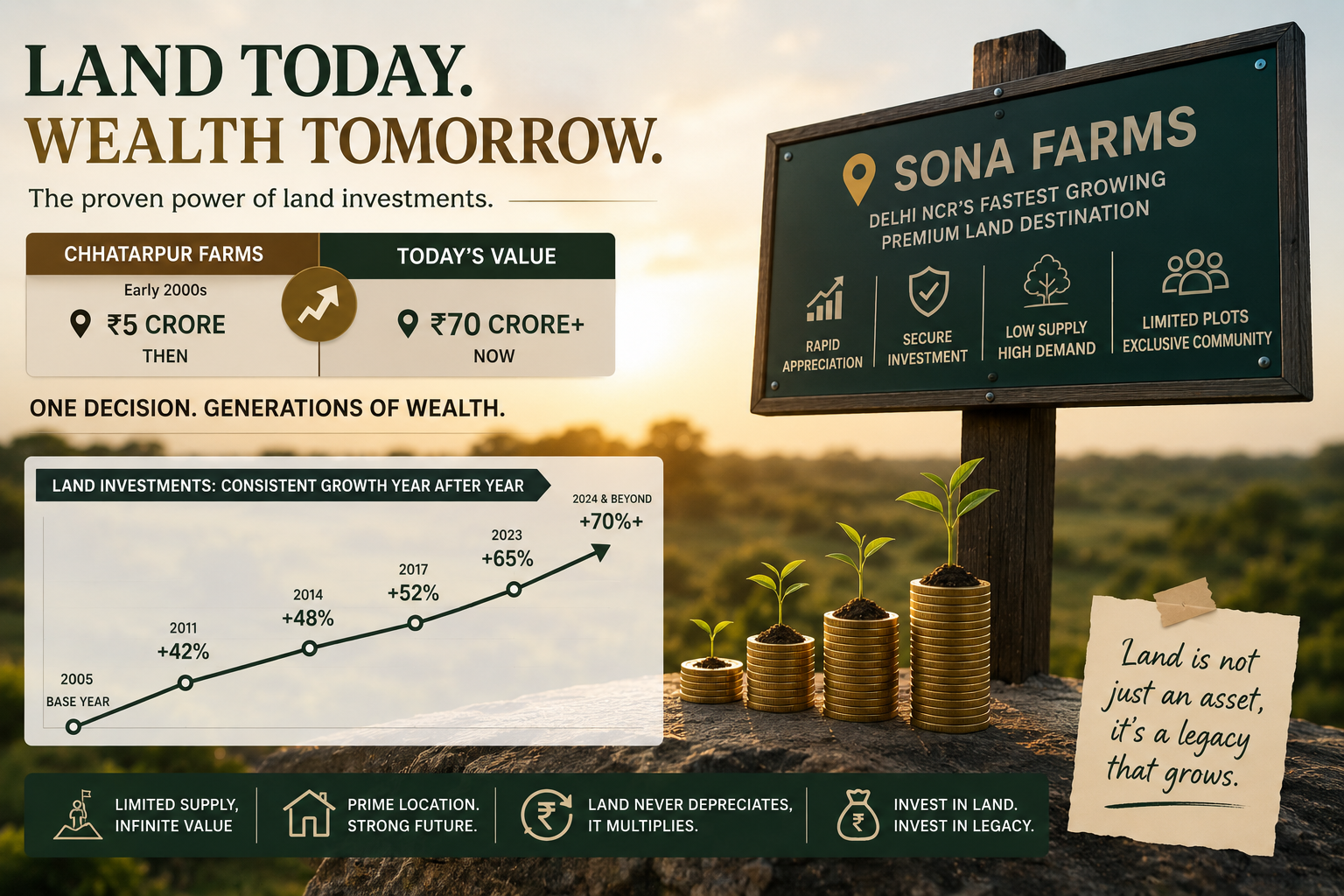
The ₹5 Crore Land Purchase That Became Worth ₹70 Crore
What the Story of DLF Chhatarpur Farms Reveals About Wealth Creation Through Premium Land Ownership
One short email. Stories you can use.
A free, occasional email from our editorial team with our latest features, explainers and reads. Unsubscribe any time — your email stays with us.