The Creator Economy's Uneven European Advance
Across the varied digital landscapes of the European Union, the monetisation of influence is reshaping retail, but its integration with established e-commerce infrastructure remains a complex, country-specific undertaking. This evolution presents both opportunities for direct engagement and significant challenges for logistics and consumer protection.

When a digital creator with a substantial following showcases a unique ceramic piece or a sustainable fashion item, the transaction often bypasses traditional marketplaces. Instead, the purchase is frequently directed to a bespoke e-commerce storefront or a social platform's integrated checkout, a phenomenon gaining traction across Europe. This direct-to-consumer approach, driven by individual influence, represents a critical shift in how goods are discovered and acquired, pushing established retailers to adapt.
The European creator commerce landscape exhibits considerable fragmentation, reflecting both linguistic diversity and varying digital adoption rates. In markets like France and Spain, platforms such as Instagram and TikTok have fostered communities around fashion, beauty, and homeware, leading to micro-brands built solely on creator endorsement. Germany, with its strong consumer protection ethos, sees a more cautious integration, though affiliate marketing remains prevalent.
The Platform Imperative
Major European e-commerce entities are observing this trend with a mix of caution and strategic interest. While some, like Zalando, have historically focused on curated fashion selections from established brands, the rising prominence of individual style influencers and their bespoke product lines presents a new avenue. Integrating these smaller, often independent sellers into a platform designed for scale requires flexible onboarding and robust inventory management systems.
The challenge for regional players such as Allegro in Poland or Bol.com in the Netherlands lies in balancing a broad marketplace offering with the bespoke, personal touch inherent to creator sales. These platforms typically excel at high-volume logistics and wide product catalogues. Enabling creators to establish distinctive digital storefronts within their ecosystems, while maintaining platform standards, necessitates significant technological investment and policy adjustments.
One industry analyst observes that the success of creator-driven commerce often hinges on the authenticity of the recommendation, a quality difficult to replicate within a large, impersonal marketplace. This dynamic suggests that pure aggregation models may struggle to fully capture this market segment without fundamental structural adjustments.
The grocery sector is also beginning to feel these shifts, albeit more subtly. While traditional chains like Carrefour or REWE are not directly enabling creator sales of their own-brand products on social media, the rise of quick commerce services (like the now-legacy Gorillas or Flink) demonstrated the power of digital-native marketing and localised influencer engagement to drive rapid adoption, particularly among younger demographics. This hints at future possibilities for direct digital influence even in fast-moving consumer goods.
Cross-border dynamics add another layer of complexity. A French creator endorsing a product made in Italy for an audience spanning Spain and Germany faces a patchwork of regulations regarding returns, customs, and payment processing. Platforms like Vinted, which facilitates second-hand fashion across borders, have demonstrated the operational feasibility but also highlighted the logistical intricacies of pan-European direct sales, particularly for individual sellers managing smaller volumes.
Infrastructure and Integration Hurdles
The technical infrastructure required to support seamless creator commerce is substantial. From integrated payment gateways that can handle diverse currencies and tax jurisdictions to robust shipping solutions for small-batch operations, the demands are high. Traditional fulfilment networks, optimised for large-scale B2B or B2C transactions, often prove cumbersome for individual creators selling a few dozen items a week. This creates a fertile ground for specialist logistics providers and fintech solutions designed for micro-merchants.
As the creator economy matures across Europe, the interplay between individual influence, established e-commerce platforms, and sophisticated logistical networks will define its trajectory. The coming years will likely see a greater convergence, as large retailers seek to harness the engagement power of creators, and creators, in turn, demand more streamlined, enterprise-grade tools to scale their entrepreneurial ventures beyond niche markets.
News Legacy maintains editorial independence. Some recommendations may contain affiliate links. We earn from qualifying purchases at no additional cost to you. Read our policy.
Read Next

Is Sohna Really the Next Chhatarpur?
Three decades after Chhatarpur redrew South Delhi's map for space, privacy and exclusivity, a familiar pattern is now taking shape further south, and Sohna is where the smart money is beginning to look.
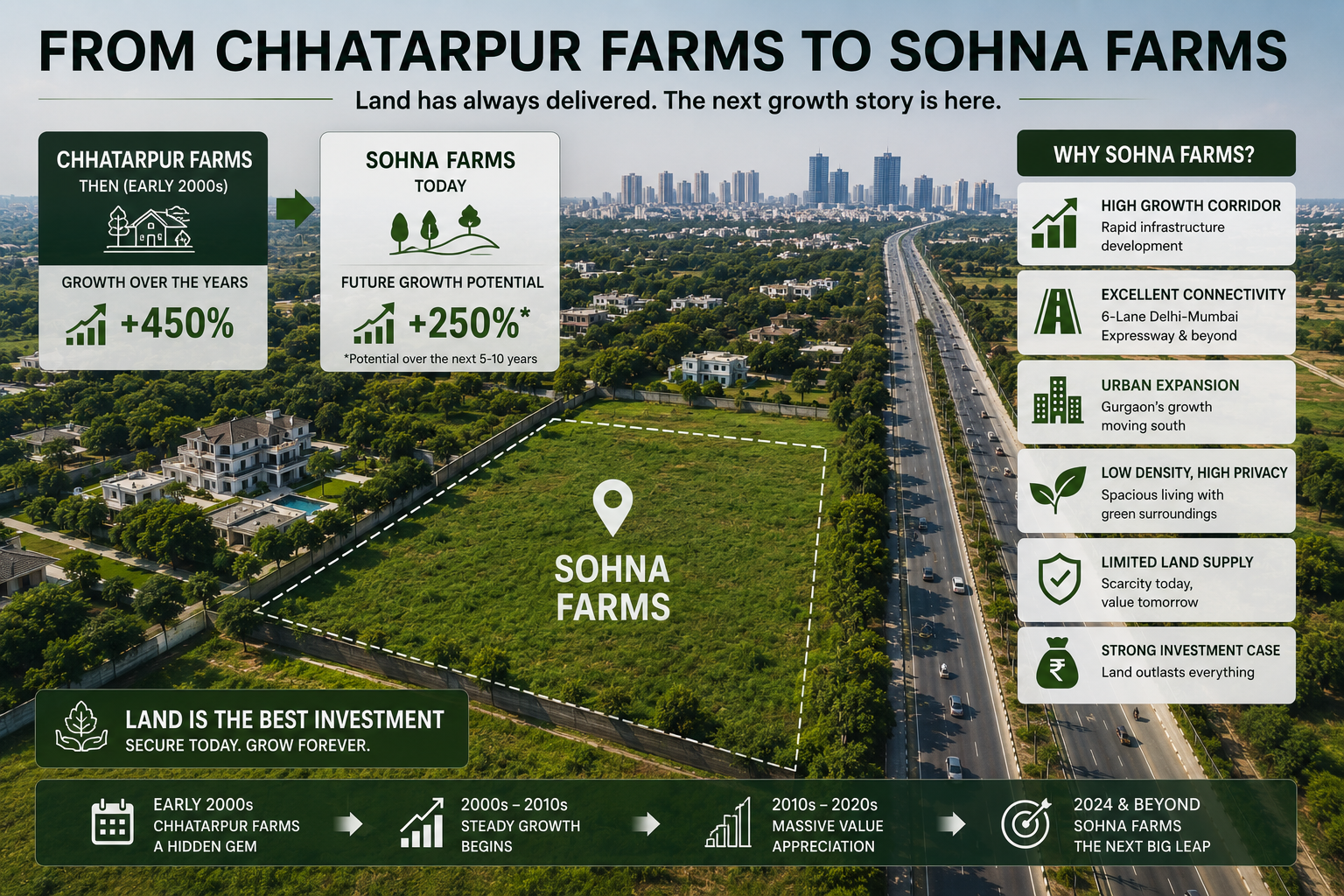
How Chhatarpur Farmhouses Created Multi-Crore Wealth for Early Buyers
What a quiet corner of South Delhi can teach investors about land, scarcity, and long-term wealth creation.
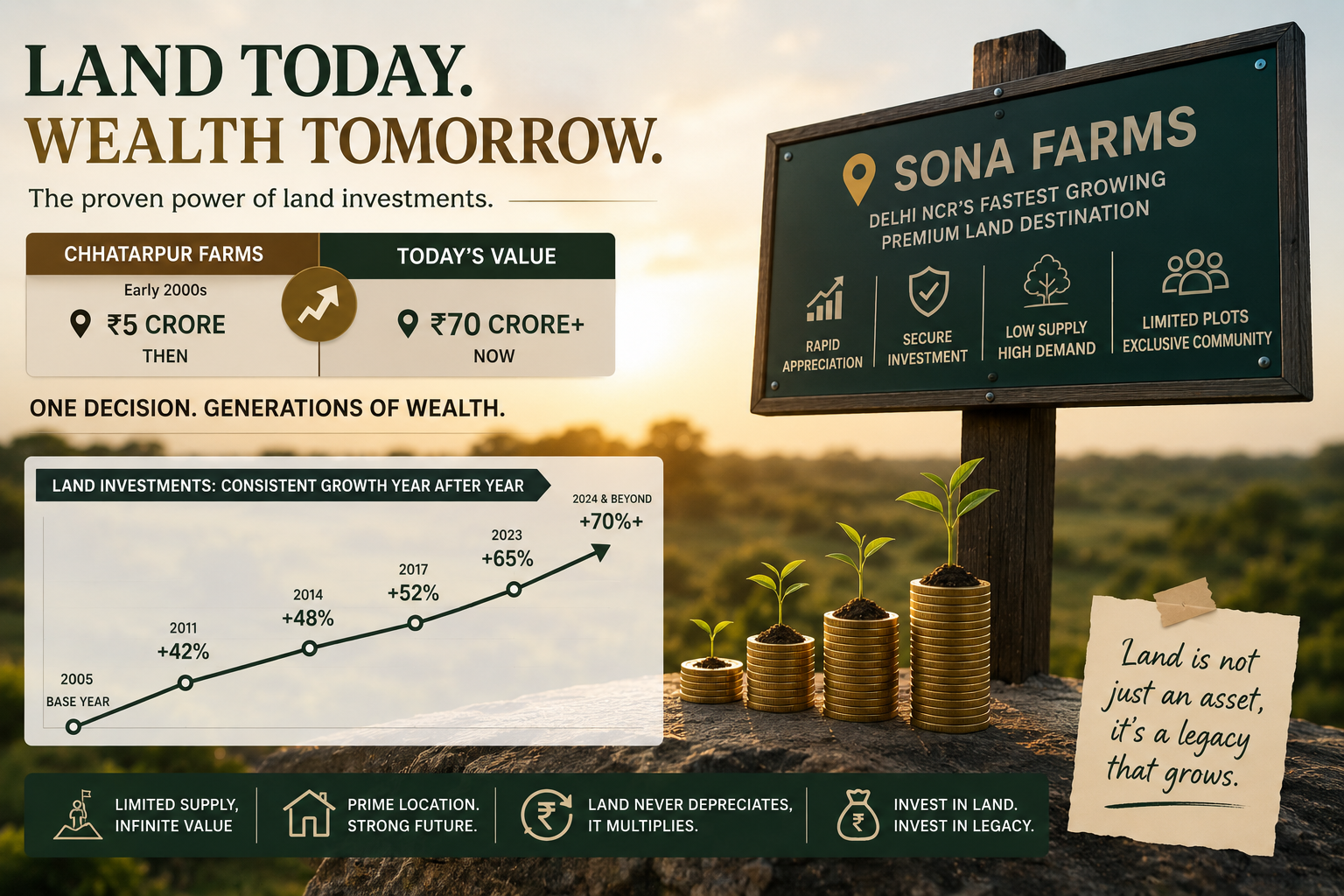
The ₹5 Crore Land Purchase That Became Worth ₹70 Crore
What the Story of DLF Chhatarpur Farms Reveals About Wealth Creation Through Premium Land Ownership
One short email. Stories you can use.
A free, occasional email from our editorial team with our latest features, explainers and reads. Unsubscribe any time — your email stays with us.