The Creator Economy's Unseen Influence on British Retail
While major UK retailers navigate shifting consumer loyalties and rising costs, a parallel commerce ecosystem built by digital creators is quietly reshaping purchasing decisions and challenging traditional marketing paradigms across the country.

A recent stroll through London's Covent Garden revealed a queue of Gen Z consumers stretching down James Street, not for a product launch from a high-street stalwart like Marks & Spencer, but for a limited-edition merchandise drop from a TikTok personality. This scene, increasingly common across British urban centres, underscores a significant, yet often underestimated, evolution in consumer commerce. The creator economy, far from a niche phenomenon, is now a substantial force influencing how and where British pounds are spent, impacting everything from fashion to foodstuffs.
For decades, the marketing budgets of giants like Tesco and Sainsbury's dictated much of the nation's shopping habits, reinforced by prime-time television advertisements and expansive store footprints. Today, however, individual influencers, often operating from their homes, wield considerable sway. They cultivate direct, often intimate, relationships with their audiences, fostering a level of trust that traditional advertising struggles to replicate. This dynamic is particularly potent among younger demographics, who increasingly bypass conventional media for personalised recommendations from digital figures.
Data indicates a noticeable shift. A study last year suggested that over 40% of UK consumers aged 16-24 have made a purchase based on an influencer's recommendation. This translates into tangible revenue streams, with some estimates placing the value of the UK's creator economy in the billions of pounds annually. This figure, though difficult to precisely quantify given its diffuse nature, represents a growing slice of the overall retail pie that legacy businesses cannot afford to ignore.
The Scramble for Authenticity
Traditional retailers are attempting to adapt. ASOS, for instance, has long embraced collaborations with digital stylists and micro-influencers to showcase its extensive clothing lines, understanding that peer-to-peer endorsement carries more weight than a glossy campaign. Next, while maintaining its strong catalogue presence, has also begun experimenting with influencer marketing, recognising the need to reach consumers on platforms where they spend significant time.
The challenge lies in authenticity. Consumers are discerning; they can readily identify promotional content that feels disingenuous. The most successful creator-led commerce thrives on genuine enthusiasm and relatable experiences. This often means creators are curating products from smaller, independent brands, bypassing the established distribution channels and directly connecting suppliers with consumers who trust their recommendations.
The decentralisation of consumer influence represents a fundamental recalibration of power within the retail ecosystem.
Even in the grocery sector, where the dominance of Tesco, Sainsbury's, and Ocado seems unshakeable, creators are making inroads. Food bloggers and 'clean eating' advocates frequently promote specific brands or artisanal products, driving demand for items that might not otherwise secure shelf space in major supermarkets. While not directly competing with supermarket delivery services like Deliveroo or Just Eat for staples, these creators shape basket composition and introduce consumers to a wider array of specialty goods.
Future Implications for UK Commerce
The long-term implications for the UK retail landscape are profound. As the creator economy matures, it is likely to further fragment consumer attention and spending. Retailers will need to move beyond transactional relationships with influencers to foster deeper, more integrated partnerships that align with brand values and resonate genuinely with consumer communities. This could involve co-creating products, offering exclusive access, or even ceding a degree of creative control to maintain relevance.
The ongoing evolution requires constant vigilance from established players. Their ability to integrate, rather than merely observe, the burgeoning creator-led commerce ecosystem will be a critical determinant of sustained success in an increasingly complex and digitally-driven market.
The shift is not simply about new marketing channels; it signals a fundamental change in how value is perceived and communicated in the marketplace, demanding strategic reimagining from every corner of British commerce.
News Legacy maintains editorial independence. Some recommendations may contain affiliate links. We earn from qualifying purchases at no additional cost to you. Read our policy.
Read Next

Is Sohna Really the Next Chhatarpur?
Three decades after Chhatarpur redrew South Delhi's map for space, privacy and exclusivity, a familiar pattern is now taking shape further south, and Sohna is where the smart money is beginning to look.
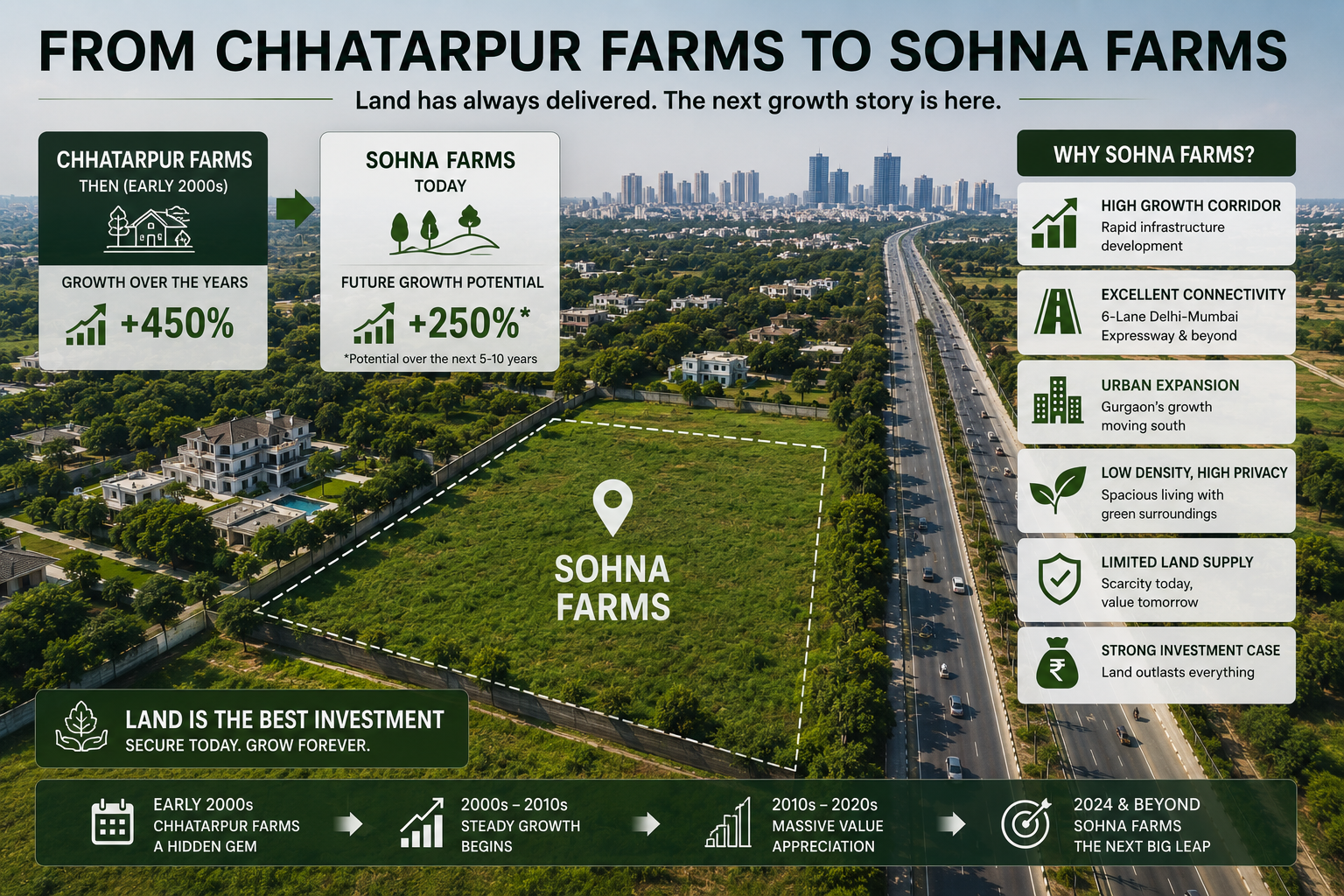
How Chhatarpur Farmhouses Created Multi-Crore Wealth for Early Buyers
What a quiet corner of South Delhi can teach investors about land, scarcity, and long-term wealth creation.
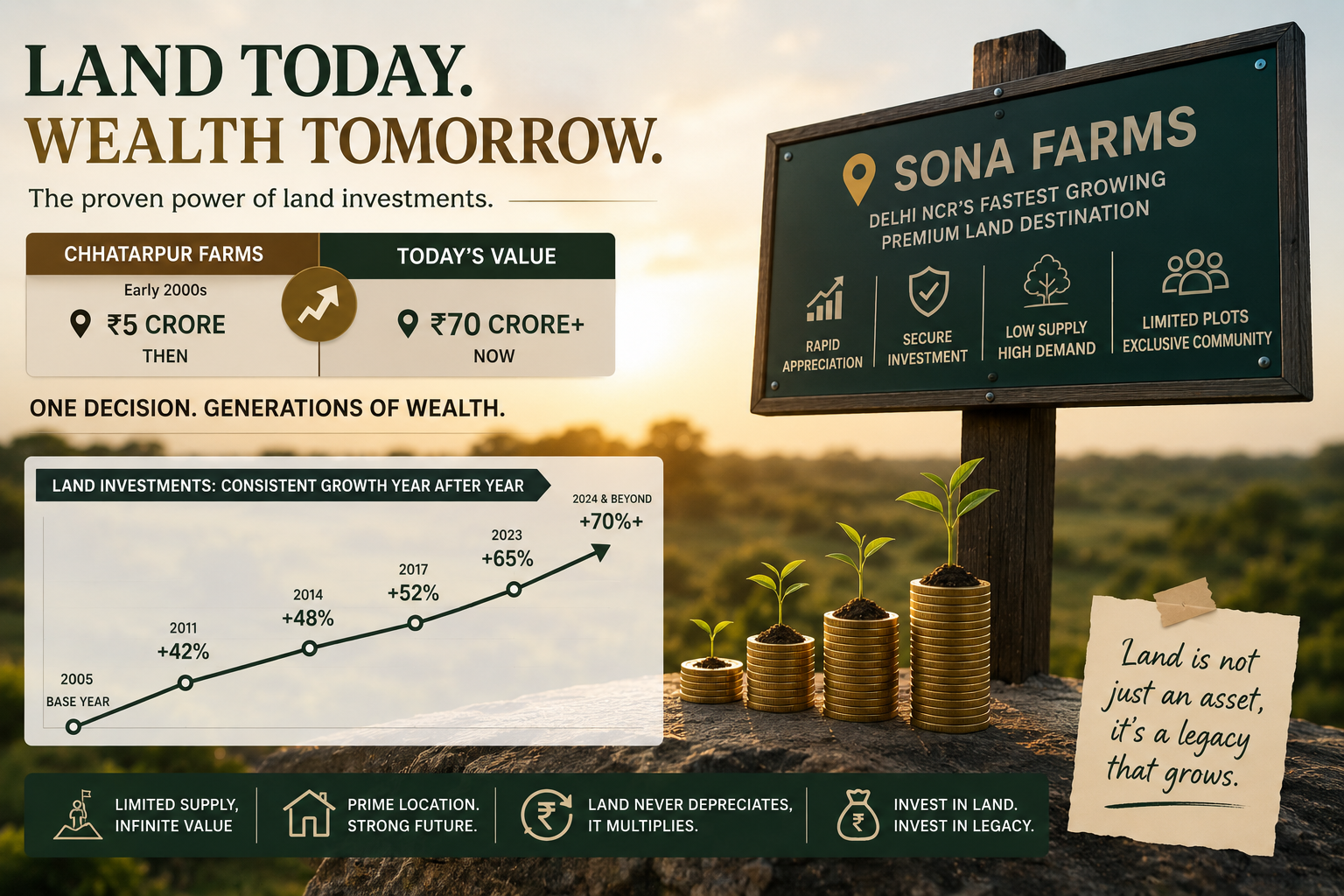
The ₹5 Crore Land Purchase That Became Worth ₹70 Crore
What the Story of DLF Chhatarpur Farms Reveals About Wealth Creation Through Premium Land Ownership
One short email. Stories you can use.
A free, occasional email from our editorial team with our latest features, explainers and reads. Unsubscribe any time — your email stays with us.