The Creator's Cut: Navigating UK Retail's Shifting Influence
As traditional media fragment and digital platforms reshape consumer trust, the ascendance of independent creators presents both opportunity and challenge for established UK retailers vying for market share.

A recent scroll through TikTok might reveal a familiar sight: a content creator unboxing a new high-street fashion piece from ASOS or discussing their weekly grocery haul from Tesco. This seemingly innocuous online activity represents a significant shift in retail influence. The recommendations emanating from individuals, rather than corporate marketing departments or glossy magazines, are increasingly dictating consumer purchasing decisions across the United Kingdom, compelling established brands to rethink engagement strategies.
This phenomenon, often termed 'creator commerce', is fundamentally altering the pathway from product discovery to purchase. While the concept of celebrity endorsement is not new, the digital age has democratised influence, giving rise to millions of micro- and nano-creators whose authenticity and niche appeal resonate deeply with specific demographics. For British consumers, this often translates to a trusted voice guiding them through the competitive offerings of Next or the extensive ranges at Sainsbury's.
The financial implications are substantial. Estimates suggest the global creator economy, encompassing everything from sponsored posts to direct product sales, could exceed £200 billion annually. A significant portion of this activity involves affiliate marketing, where creators earn a commission on sales driven through unique links. This model directly bypasses traditional advertising channels, presenting a direct economic challenge to legacy media and a novel sales avenue for agile retailers.
The Authenticity Premium
One key differentiator for creator-led commerce is the perception of authenticity. Unlike polished brand advertisements, a creator showcasing an item often feels more like a recommendation from a friend. This builds a deeper level of trust, which is particularly valuable in a market where consumers are increasingly sceptical of corporate messaging. A creator demonstrating the utility of a Marks & Spencer food item or reviewing a new gadget purchased from Currys PC World carries a weight that a banner advertisement frequently lacks.
UK brands are adapting with varying degrees of success. Some, like ASOS, have long embraced influencer collaborations, integrating creator content into their marketing funnels and even facilitating direct sales through their platforms. Others, traditionally reliant on extensive physical footprints or mass-market advertising, are playing catch-up, experimenting with affiliate programmes and sponsored content to tap into these new consumer networks.
The power has shifted from brand-centric communication to community-driven advocacy. Ignoring this tectonic change is to forfeit future market relevance.
However, challenges persist. Maintaining brand image and ensuring message consistency when working with a multitude of independent creators can be complex. There are also ethical considerations around disclosure of paid partnerships, an area where regulatory bodies in the UK, such as the Advertising Standards Authority, are increasingly vigilant, demanding transparency from both creators and the brands they promote.
Beyond Traditional Pathways
The logistical evolution of retail also intersects with creator commerce. The convenience offered by delivery services like Deliveroo and Just Eat, which have trained consumers to expect rapid gratification, can be leveraged by creators promoting local businesses or niche food products. While the major supermarkets like Ocado have invested heavily in their own digital infrastructure, the agility of independent creators to highlight specific deals or products can complement and even disrupt these established channels.
Ultimately, the sustained growth of creator commerce signals a recalibration of marketing spend. For British retailers, it means moving beyond simply acquiring customers to cultivating advocates. The most successful strategies will likely involve a hybrid approach, where traditional brand building is complemented by genuine, creator-driven engagement that acknowledges the shifting landscape of consumer trust and influence.
News Legacy maintains editorial independence. Some recommendations may contain affiliate links. We earn from qualifying purchases at no additional cost to you. Read our policy.
Read Next

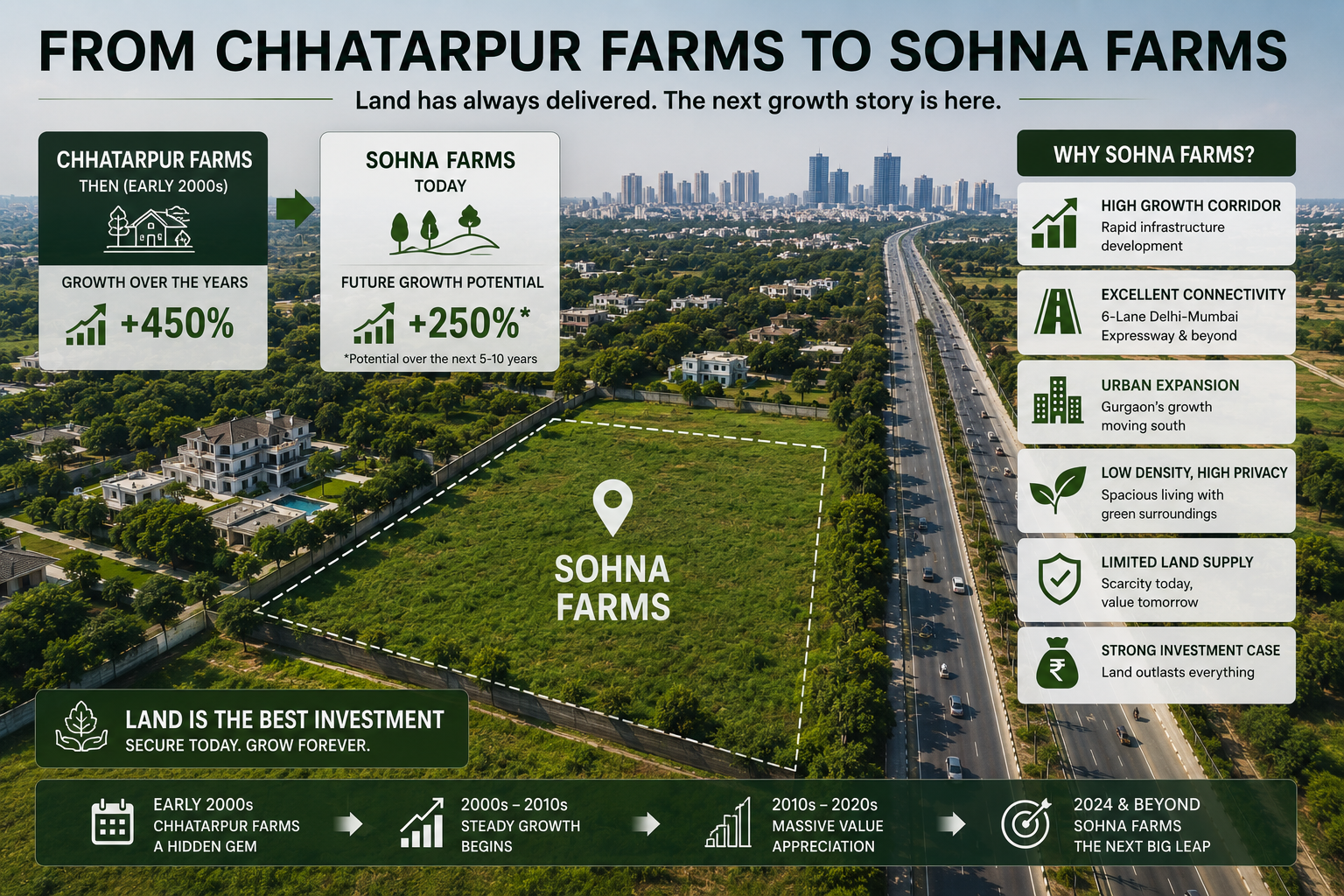
Is Sohna Really the Next Chhatarpur?
Three decades after Chhatarpur redrew South Delhi's map for space, privacy and exclusivity, a familiar pattern is now taking shape further south, and Sohna is where the smart money is beginning to look.
How Chhatarpur Farmhouses Created Multi-Crore Wealth for Early Buyers
What a quiet corner of South Delhi can teach investors about land, scarcity, and long-term wealth creation.

The ₹5 Crore Land Purchase That Became Worth ₹70 Crore
What the Story of DLF Chhatarpur Farms Reveals About Wealth Creation Through Premium Land Ownership
One short email. Stories you can use.
A free, occasional email from our editorial team with our latest features, explainers and reads. Unsubscribe any time — your email stays with us.