The Creator's New Cart: European Retailers Adapt to Influencer-Driven Sales
European e-commerce platforms and traditional retailers are increasingly integrating creator-led initiatives, seeking to capture direct sales and foster deeper customer engagement in a fragmented digital landscape.

When Vinted, the Lithuanian second-hand fashion platform, launched its 'Inspiration' feed, it was a subtle nod to the shifting power dynamics in online retail. Beyond curated brand collections, users were presented with styling ideas from peers and micro-influencers, transforming casual browsing into a social discovery experience. This evolution exemplifies a broader strategic pivot across the continent, where the distinction between content creation and commercial transaction is rapidly dissolving, compelling even established giants to rethink their digital strategies.
The creator economy, once largely confined to direct-to-consumer brand launches and affiliate marketing, is now being actively integrated into the core operations of major European retailers. This phenomenon reflects not only a response to evolving consumer habits but also a proactive effort to diversify revenue streams and build more resilient customer relationships. The traditional advertising model, often seen as a one-way communication, is yielding to more authentic, community-driven commercial narratives.
The Platform Play: From Social to Sales
Platforms like Zalando in Germany and Allegro in Poland are exploring direct integrations that allow creators to showcase products seamlessly. Zalando has experimented with shoppable content formats and influencer collaborations that extend beyond traditional ad placements, aiming for a more embedded commerce experience. Similarly, Allegro, a dominant force in Central and Eastern Europe, has fostered a marketplace where individual sellers, many of whom are nascent content creators, can directly engage with buyers, blurring the lines between personal recommendation and retail display.
Across France, Cdiscount has been developing features that enable sellers, often influencers in their own niches, to enrich product listings with video demonstrations and lifestyle imagery, moving beyond static product shots. This approach capitalizes on the trust and rapport creators build with their audiences, translating directly into purchasing decisions. The conversion rates for products endorsed by trusted voices often surpass those driven by conventional marketing campaigns, demonstrating a tangible return on investment.
This trend extends even to grocery. While perhaps less overtly 'creator-driven' in the traditional sense, companies like Carrefour and REWE are observing the success of meal-kit services and recipe content creators. They are starting to explore how influencers can promote specific ingredients or ready meals, potentially linking directly to shopping carts. This is a nascent but significant area, particularly given the strong brand loyalties and regional preferences in European food markets.
Cross-Border Commerce and Local Voices
The European market, characterized by its linguistic and cultural diversity, presents unique challenges and opportunities for creator commerce. A successful campaign in Germany may not resonate in Italy without significant adaptation. However, platforms are leveraging creators to navigate these intricacies. For example, a Spanish fashion influencer can effectively introduce a French brand to their audience, acting as a cultural bridge that traditional advertising often struggles to build.
The former rapid grocery delivery services, such as Gorillas and Flink, though now largely consolidated or acquired, pioneered a hyper-local approach to digital engagement. While their business model faced broader challenges, their effective use of local social media influencers for rapid community penetration demonstrated the power of micro-creators in specific geographies. This lesson is not lost on current players; the emphasis is now on integrating these local voices into more sustainable commerce models.
The transition from 'influencer marketing' to 'creator commerce' signifies a fundamental shift: creators are not just promoting products, they are becoming integral sales channels.
The financial implications are substantial. While specific pan-European data remains fragmented, analysts suggest that creator-led sales now account for a mid-single-digit percentage of total online retail revenue in certain categories, with projections indicating double-digit growth within the next five years. This necessitates sophisticated tracking and attribution models, as retailers seek to quantify the often-intangible value of authentic online endorsement. The investment in these channels reflects a strategic imperative to remain competitive in a landscape increasingly shaped by individual digital voices, rather than solely by corporate advertising budgets.
News Legacy maintains editorial independence. Some recommendations may contain affiliate links. We earn from qualifying purchases at no additional cost to you. Read our policy.
Read Next

Is Sohna Really the Next Chhatarpur?
Three decades after Chhatarpur redrew South Delhi's map for space, privacy and exclusivity, a familiar pattern is now taking shape further south, and Sohna is where the smart money is beginning to look.
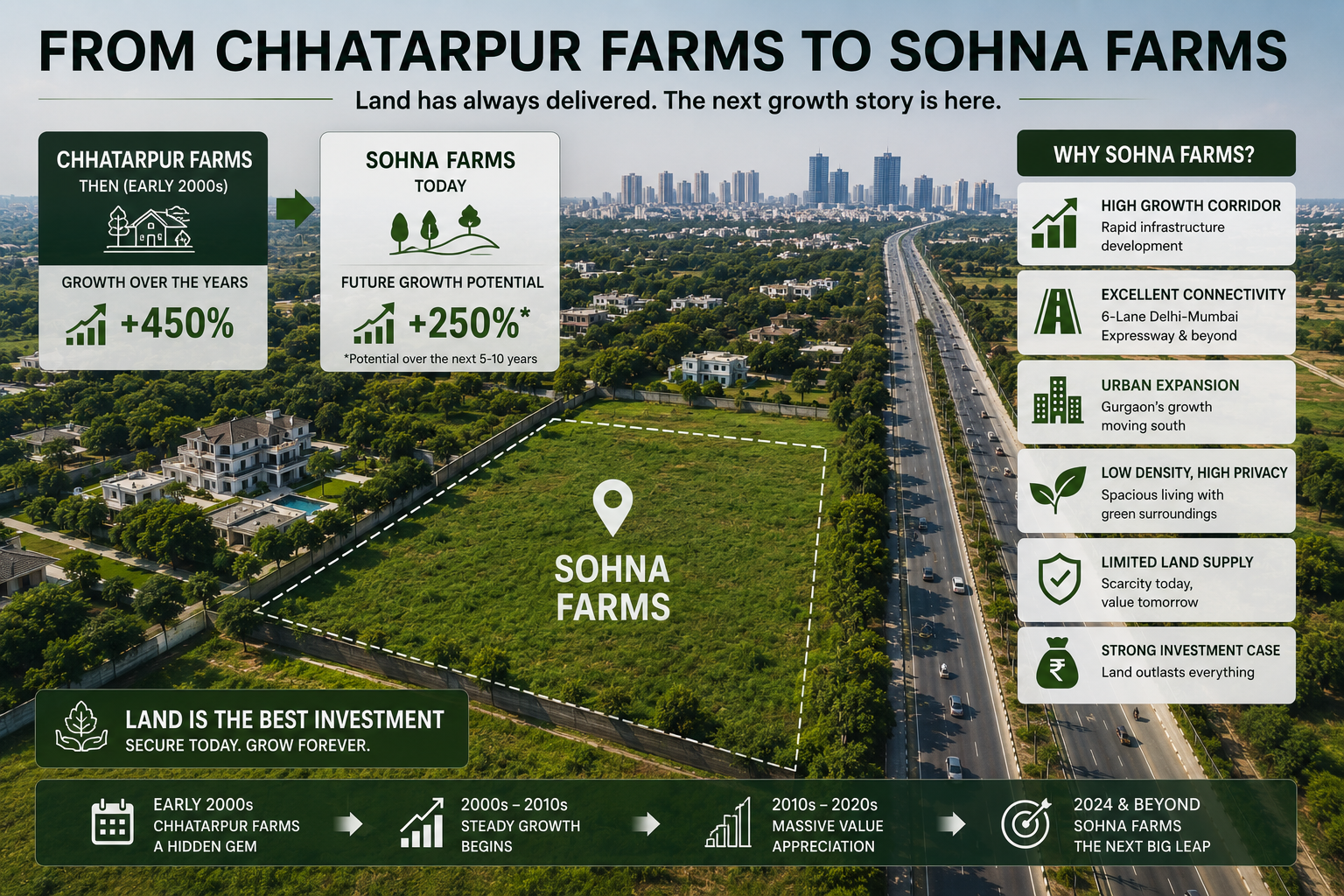
How Chhatarpur Farmhouses Created Multi-Crore Wealth for Early Buyers
What a quiet corner of South Delhi can teach investors about land, scarcity, and long-term wealth creation.
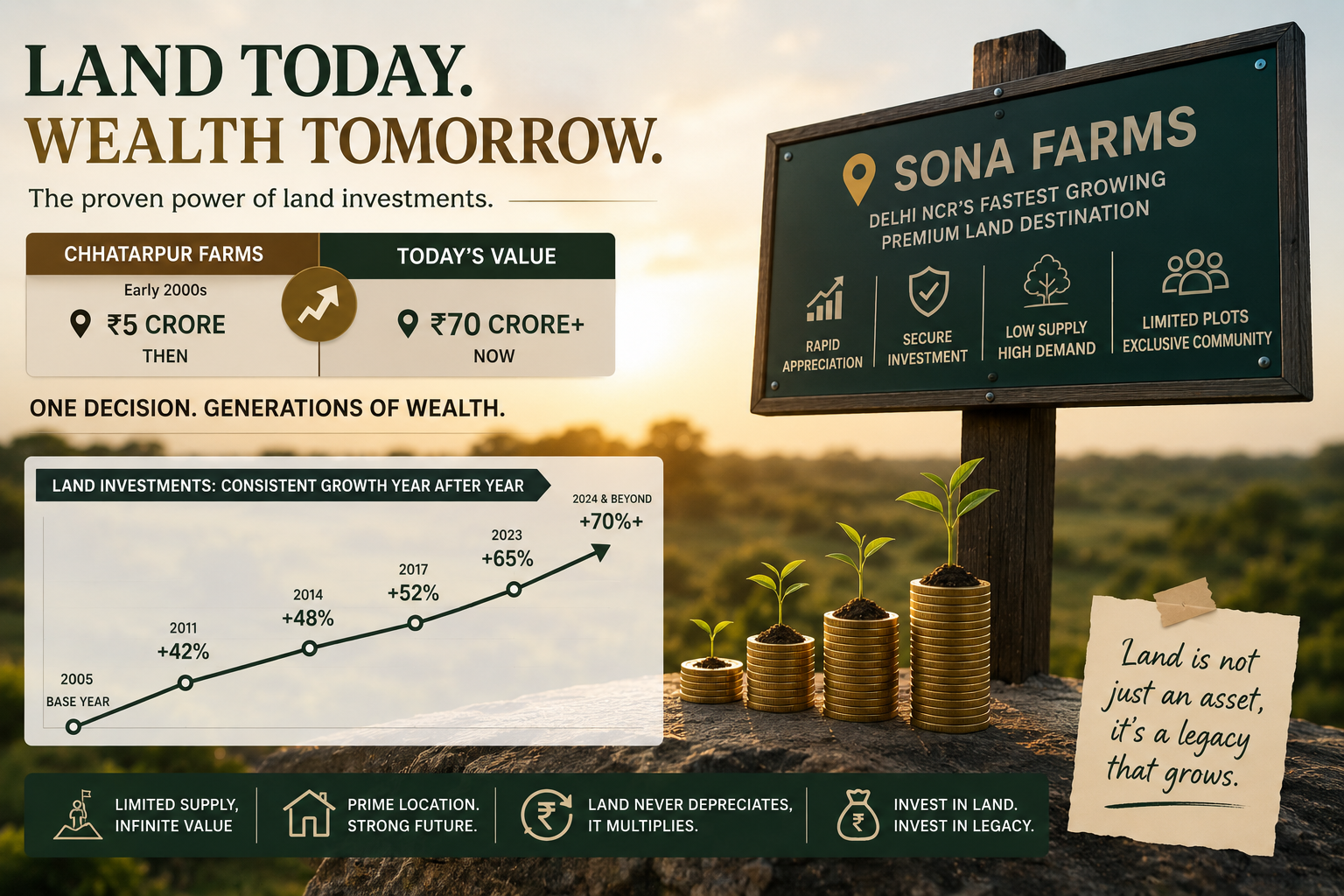
The ₹5 Crore Land Purchase That Became Worth ₹70 Crore
What the Story of DLF Chhatarpur Farms Reveals About Wealth Creation Through Premium Land Ownership
One short email. Stories you can use.
A free, occasional email from our editorial team with our latest features, explainers and reads. Unsubscribe any time — your email stays with us.