The Creator's New High Street: How Influencer-Led Commerce Is Reshaping UK Retail Channels
A growing cohort of online personalities is not just advertising products, but selling them directly, challenging established supply chains and traditional marketing paradigms across the British retail landscape.

Beyond the bustling aisles of a Tesco Extra or the curated displays within a Next flagship, a quiet but potent shift is underway in British consumer spending. Increasingly, purchasing decisions are being guided not by established brands or supermarket circulars, but by individuals on social media platforms, who are now bypassing conventional retail channels to sell their own branded merchandise or curate dropshipping ventures directly to their audiences. This burgeoning creator-led commerce model represents a significant evolution in how goods move from producer to consumer, carrying profound implications for the UK's high street and digital storefronts alike.
Historically, UK retailers such as Marks & Spencer and ASOS have invested heavily in traditional advertising and vast distribution networks to reach their customer base. The current trend, however, sees entrepreneurs with substantial online followings building their own direct-to-consumer pipelines, leveraging platforms like Instagram, TikTok, and YouTube not just for content distribution but for transactional conversions. This effectively turns every engaged follower into a potential customer, often with a far lower acquisition cost than legacy marketing strategies.
For instance, an independent fashion creator with 500,000 followers on TikTok can launch a limited-edition clothing line, driving sales directly from their profile without the need for a physical store presence or an extensive advertising budget. These digital-first brands frequently operate on a pre-order or limited-run model, creating scarcity and urgency that encourages rapid purchases. The success of such ventures is not merely anecdotal; analysis from platforms like Shopify indicates a significant double-digit growth in creator-led businesses over the past three years, with substantial transaction volumes emanating from these digital storefronts.
The Infrastructure of Influence
The operational backbone for this creator commerce boom is largely provided by accessible e-commerce platforms and sophisticated logistics. Services that simplify inventory management, payment processing, and even international shipping have democratised the ability for individuals to become significant retailers. This infrastructure allows a content creator in, say, Manchester, to manage a global customer base with relative ease, competing directly with the logistical might of firms like Ocado or the delivery networks of Just Eat and Deliveroo, albeit at a different scale and market segment.
The power of direct engagement with a niche audience allows for highly efficient sales funnels, often converting interest into transactions at rates traditional advertising can only aspire to achieve.
The impact on established retailers is multifaceted. Some, like Sainsbury's, are exploring partnerships with influencers to promote specific product lines, acknowledging the reach and authenticity creators command. Others face the challenge of competing with agile, low-overhead digital brands that can pivot quickly to consumer trends without the burden of extensive overheads or legacy systems. The competition is not always direct, but it fragments consumer attention and spend, forcing traditional players to re-evaluate their engagement strategies.
Local Markets, Global Reach
While the creator economy is global, its manifestations in the UK reveal particular characteristics. British creators often cultivate loyal domestic audiences, leading to sales concentrated within the sterling economy. However, the absence of geographical barriers online means UK-based creators can simultaneously tap into international markets, particularly English-speaking ones. This cross-border capability represents both an opportunity for growth and a complex challenge for consumer protection regulations, which are still adapting to the fluidity of digital transactions initiated by individuals rather than registered corporations.
The long-term implications for the UK's retail sector are still unfolding. As more individuals recognise their capacity to monetise influence directly, the balance of power between traditional brands and independent creators will continue to shift. Retailers must decide whether to view these creators as competitors to be outmanoeuvred or as potential partners and channels for reaching increasingly fragmented consumer segments. The capacity to adapt to this evolving landscape, where trust and authenticity often outweigh brand heritage, will determine future success.
News Legacy maintains editorial independence. Some recommendations may contain affiliate links. We earn from qualifying purchases at no additional cost to you. Read our policy.
Read Next

Is Sohna Really the Next Chhatarpur?
Three decades after Chhatarpur redrew South Delhi's map for space, privacy and exclusivity, a familiar pattern is now taking shape further south, and Sohna is where the smart money is beginning to look.
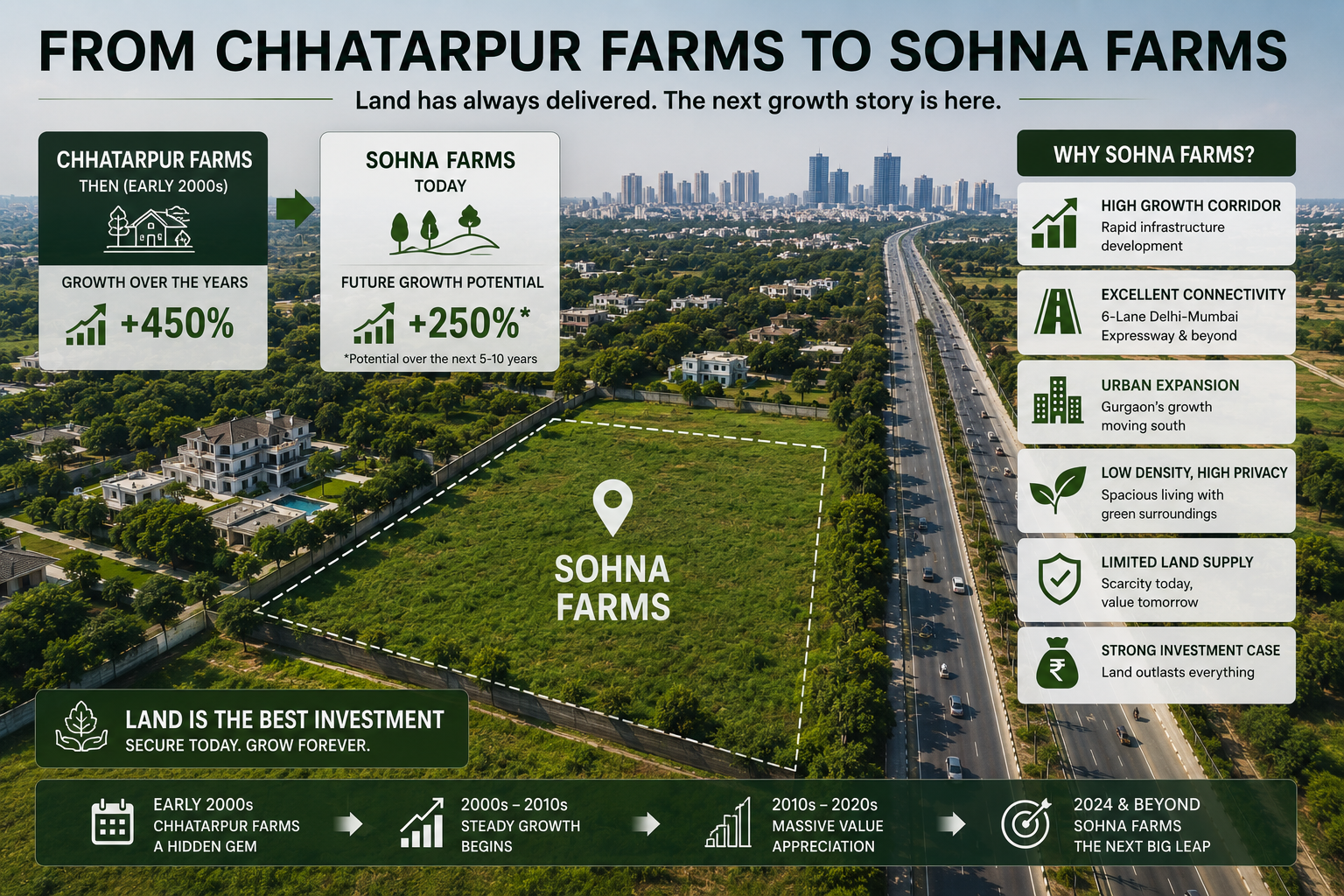
How Chhatarpur Farmhouses Created Multi-Crore Wealth for Early Buyers
What a quiet corner of South Delhi can teach investors about land, scarcity, and long-term wealth creation.
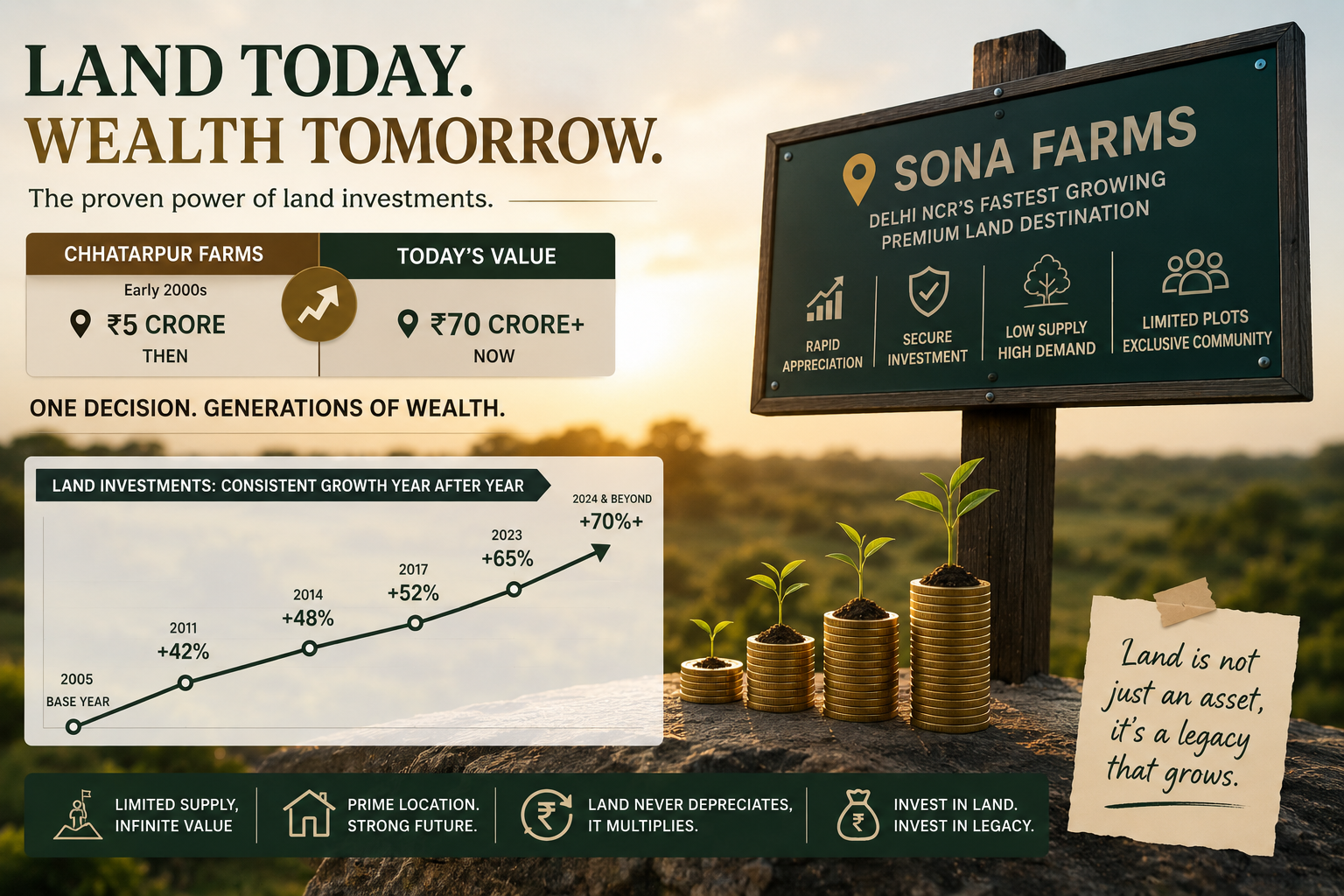
The ₹5 Crore Land Purchase That Became Worth ₹70 Crore
What the Story of DLF Chhatarpur Farms Reveals About Wealth Creation Through Premium Land Ownership
One short email. Stories you can use.
A free, occasional email from our editorial team with our latest features, explainers and reads. Unsubscribe any time — your email stays with us.