The Curated Bastion: How British Retailers Are Repurposing the Marketplace Model
Confronted by cross-border discounters and rising fulfilment costs, Britain’s legacy merchants are turning their digital storefronts into tightly vetted exchanges backed by brick-and-mortar networks.

Inside Next’s distribution hub in South Yorkshire, conveyor lines handle parcels that bear the names of rival clothing labels alongside the company’s own label. What once seemed an unnatural concession to competitors has become the bedrock of the FTSE 100 retailer’s digital resilience. Rather than ceding digital traffic to the sprawling, uncurated bazaars operated by Amazon or fast-fashion imports from Asia, Britain’s established merchant class is turning the platform playbook to its own advantage.
The stakes are considerable in a domestic market where internet purchases consistently account for more than a quarter of total retail expenditure. While total retail volumes remain constrained by sticky household bills and cautious discretionary spending, third-party platform revenue provides high-margin commission income without the capital burden of unsold inventory. Marks & Spencer has adopted a comparable posture, hosting dozens of guest brands through its digital portal to capture spend from shoppers who might otherwise migrate to specialist fashion boutiques or pure-play platforms like ASOS.
The Disciplined Inventory Gamble
The central divergence between British incumbents and Silicon Valley archetypes lies in curation. Open-door platforms rely on sheer catalogue depth, routinely admitting hundreds of thousands of independent sellers who compete in a chaotic race to the bottom on price. By contrast, British retailers are positioning themselves as discerning editors. When a customer browses guest labels on the Marks & Spencer or Next applications, the implied contract is one of quality control, consistent sizing, and predictable delivery windows.
In a market increasingly fatigued by unregulated merchant listings and protracted delivery disputes, an established high street badge functions as a de facto quality filter.
This curation also extends into grocery and everyday essentials. Tesco and Sainsbury’s have each experimented with expanded digital ranges, but they have moved cautiously to prevent the dilution of their primary grocery propositions. Instead, rapid-delivery intermediaries such as Deliveroo and Just Eat are assuming the role of instant-need marketplaces, ferrying non-food items from high street pharmacy chains and DIY outlets directly to doorsteps within forty minutes. Ocado, meanwhile, continues to rely on automated customer fulfilment centres to blend its joint venture with M&S alongside third-party domestic suppliers.
The Click-and-Collect Moat
Where the British marketplace model diverges most sharply from global equivalents is in reverse logistics. In a densely populated country with compact urban centres, the physical shop remains an underappreciated asset. A substantial portion of online apparel orders in Britain are collected or returned at a physical counter, dramatically reducing the carriage expenses that continually erode the operating margins of pure-play e-commerce operators.
When a consumer returns an external brand’s overcoat to an M&S or Next branch, the parent retailer absorbs footfall, avoids courier collection surcharges, and frequently gains incremental trade at the food hall or homeware department. Pure-play operators lacking high street real estate must swallow the steep cost of home collection or rely on overburdened parcel locker networks.
The challenge for Britain’s retail marketplaces will be sustaining this delicate balance between partner volume and brand identity. Dilute the catalogue with poor-quality merchandise, and the trust painstakingly built over decades evaporates; restrict it too severely, and digital footfall drifts toward unconstrained global platforms. For now, however, the strategy of controlled platformisation has provided Britain’s traditional retailers with an unexpected defensive perimeter.
News Legacy maintains editorial independence. Some recommendations may contain affiliate links. We earn from qualifying purchases at no additional cost to you. Read our policy.
Read Next
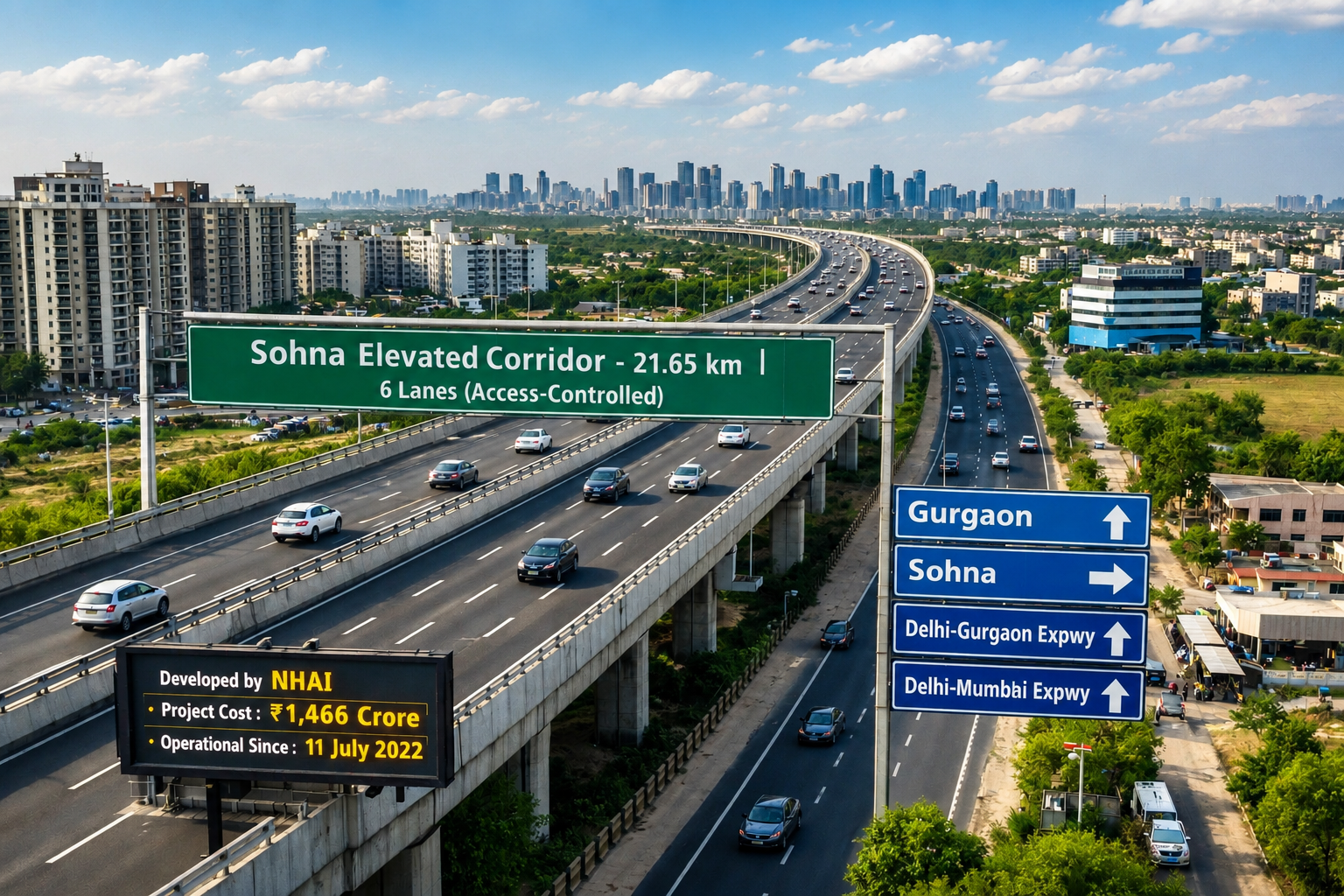
Is Sohna Really the Next Chhatarpur?
Three decades after Chhatarpur redrew South Delhi's map for space, privacy and exclusivity, a familiar pattern is now taking shape further south, and Sohna is where the smart money is beginning to look.
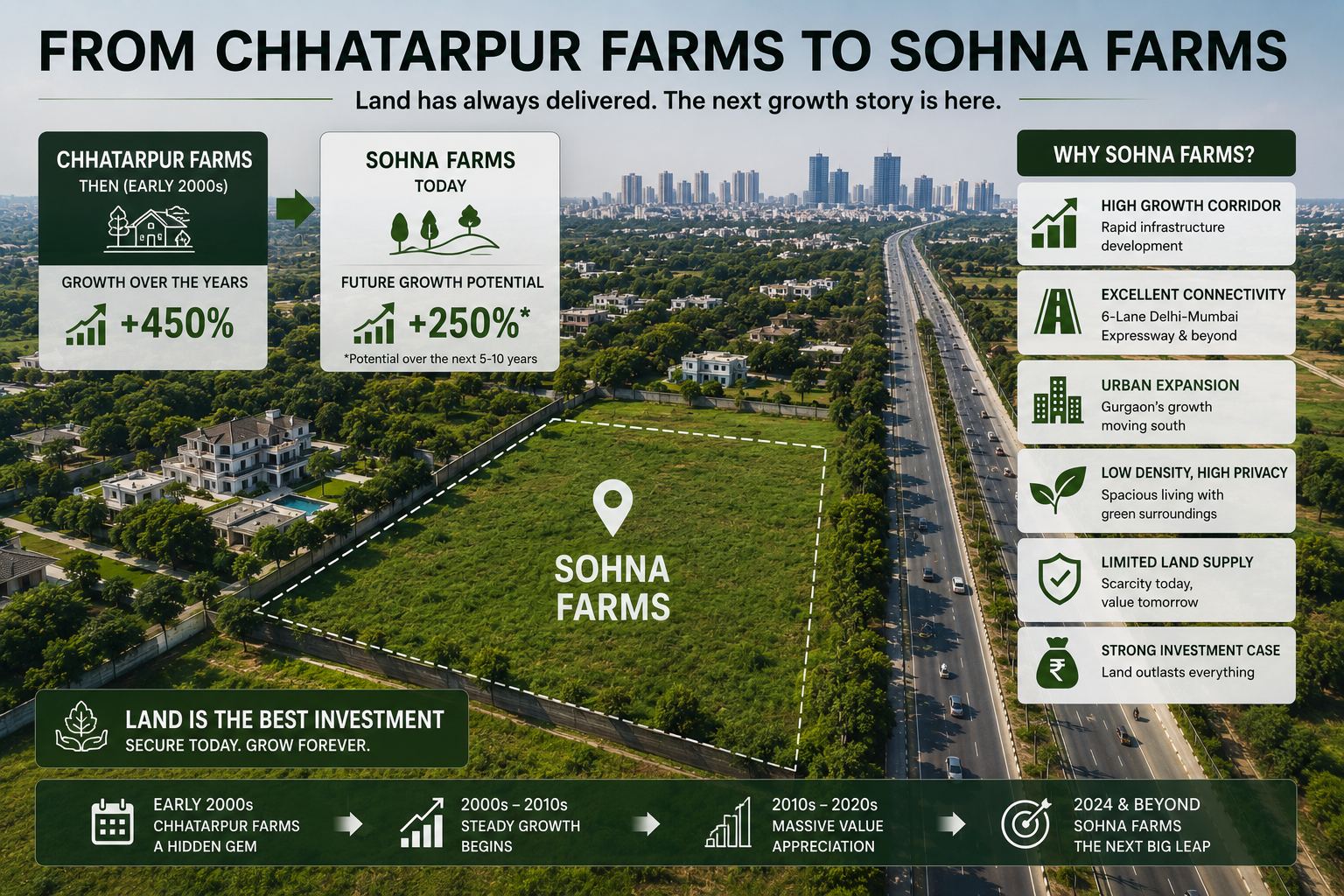
How Chhatarpur Farmhouses Created Multi-Crore Wealth for Early Buyers
What a quiet corner of South Delhi can teach investors about land, scarcity, and long-term wealth creation.

The ₹5 Crore Land Purchase That Became Worth ₹70 Crore
What the Story of DLF Chhatarpur Farms Reveals About Wealth Creation Through Premium Land Ownership
One short email. Stories you can use.
A free, occasional email from our editorial team with our latest features, explainers and reads. Unsubscribe any time — your email stays with us.