The Depot in the Suburbs: How Big-Box Retailers Absorbed American Quick Commerce
The collapse of standalone instant-delivery apps has left rapid fulfillment where it perhaps always belonged: inside the sprawling physical store networks of Walmart, Target, and Amazon.

At an Amazon sub-same-day logistics hub on the fringe of Phoenix, automated pick lines package over-the-counter medicine and phone chargers into sorting totes within twelve minutes of an order reaching the digital queue. Five miles away, a Walmart associate scans packaged salad greens directly from the refrigerated aisle to prepare an express order scheduled for doorstep arrival in under forty minutes. The frenzied, venture-fueled experiment of the standalone instant-delivery app has quietly retreated from the American landscape, replaced by an incumbent-driven logistics regime that turns everyday storefronts into regional dispatch centers.
The early premise of American quick commerce—which saw firms raise billions to build networks of urban dark stores promising delivery in under fifteen minutes—crashed into the geographic realities of the United States. Sprawling suburban zip codes and car-centric metropolitan areas proved fatal to the unit economics of a dedicated courier carrying a twelve-dollar bag of pantry goods. Once promotional subsidies vanished, few consumers demonstrated a willingness to pay the ten-dollar delivery surcharges required to cover the labor and real estate costs of a dedicated neighborhood micro-warehouse.
The Micro-Fulfillment Paradox
The fundamental flaw of the early dark-store operators was balance-sheet isolation. A dedicated warehouse carries full real estate overhead, dedicated inventory carrying costs, and dedicated labor that idles between demand spikes. By contrast, traditional big-box retailers already amortize those baseline expenses across millions of square feet of operating retail space. Walmart operates roughly 4,600 domestic locations situated within ten miles of approximately 90 percent of the American population. Target similarly fulfills more than 95 percent of its total digital sales directly through its existing retail store network, treating retail display floors as forward staging grounds.
Rather than constructing bespoke warehouses from scratch, these chains introduced tiered express delivery options atop existing infrastructure. By leveraging third-party contract drivers or acquired logistics arms—such as Target’s Shipt—established retailers turned quick fulfillment into an operational software layer rather than a distinct real estate asset. Grocers and wholesale clubs followed suit; Instacart shifted from an leisurely two-hour replenishment service toward priority thirty-minute routing, partnering with operators such as Costco and regional supermarket chains to pool fleet density across varied merchant inventories without holding inventory risk.
Subsidizing the Twenty-Minute Basket
Rapid fulfillment succeeded in America only when it stopped pretending to be a standalone business model and became an expensive retention mechanism for legacy retail ecosystems.
Even for diversified retail giants, delivering single-item emergency orders within an hour remains structurally margin-dilutive on delivery fees alone. The economics are made viable only through layered monetization that standalone logistics platforms could never assemble. Primary among these is retail media: consumer packaged goods manufacturers pay billions annually to secure algorithmic placement inside search results on Walmart, Target, and Instacart digital apps, effectively underwriting the fulfillment deficit with high-margin digital advertising dollars.
Simultaneously, rapid delivery has been integrated into paid loyalty programs such as Amazon Prime, Walmart+, and Target Circle 360. For these operators, absorbing the incremental friction of an express drop-off is rationalized as churn prevention, locking household grocery spending into a single digital ecosystem. Amazon has responded to the grocery giants by building dedicated sub-same-day facilities that store roughly 100,000 fast-moving items, bridging the gap between national fulfillment centers and neighborhood retail stores.
What remains of American quick commerce is a consolidated, pragmatic landscape. The fantasy of unprofitable fifteen-minute grocery deliveries subsidizing late-night cravings has ended. In its place sits a calculated logistics strategy where speed is no longer the product itself, but a defensive moat operated by retail balance sheets large enough to absorb its structural costs.
News Legacy maintains editorial independence. Some recommendations may contain affiliate links. We earn from qualifying purchases at no additional cost to you. Read our policy.
Read Next
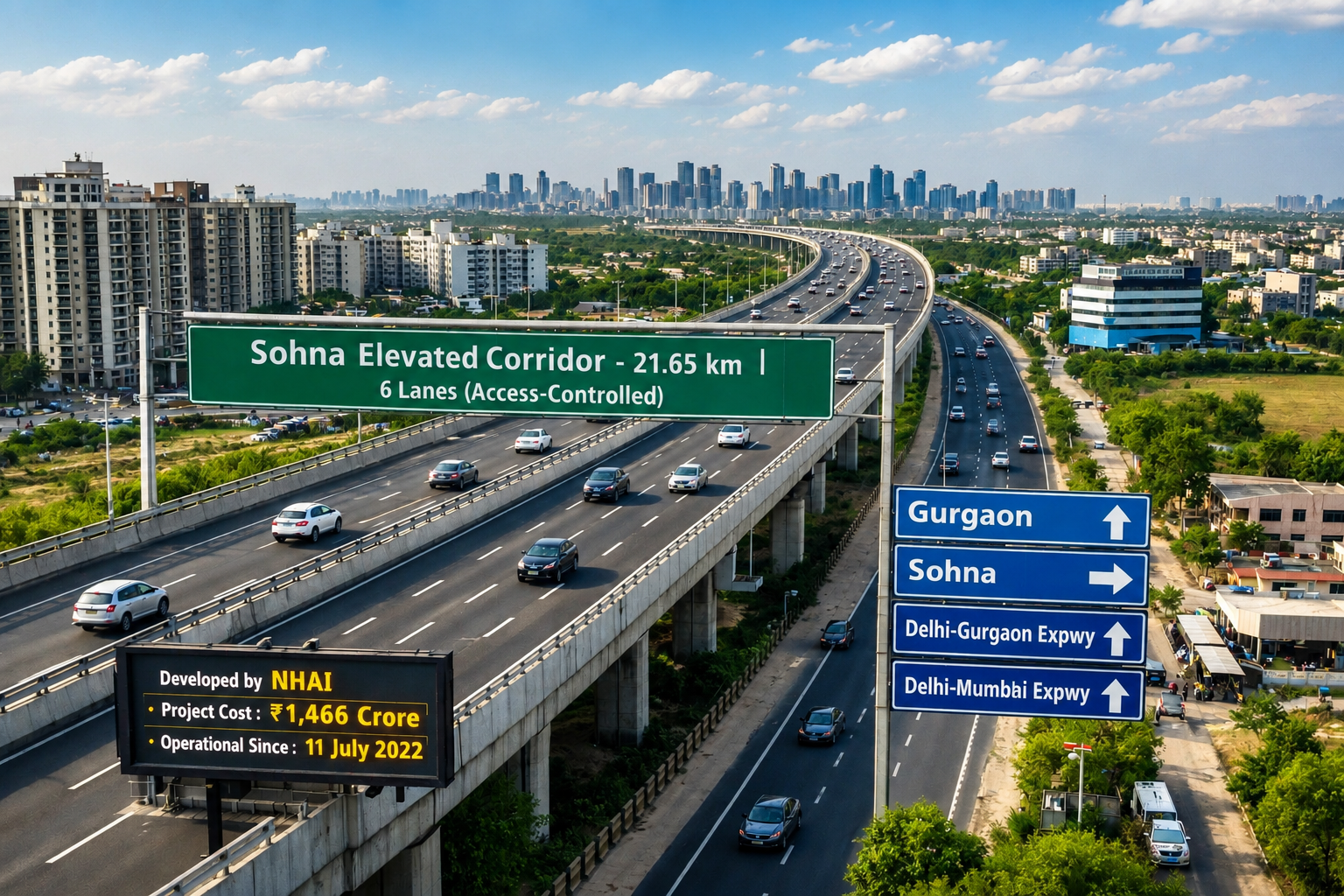
Is Sohna Really the Next Chhatarpur?
Three decades after Chhatarpur redrew South Delhi's map for space, privacy and exclusivity, a familiar pattern is now taking shape further south, and Sohna is where the smart money is beginning to look.
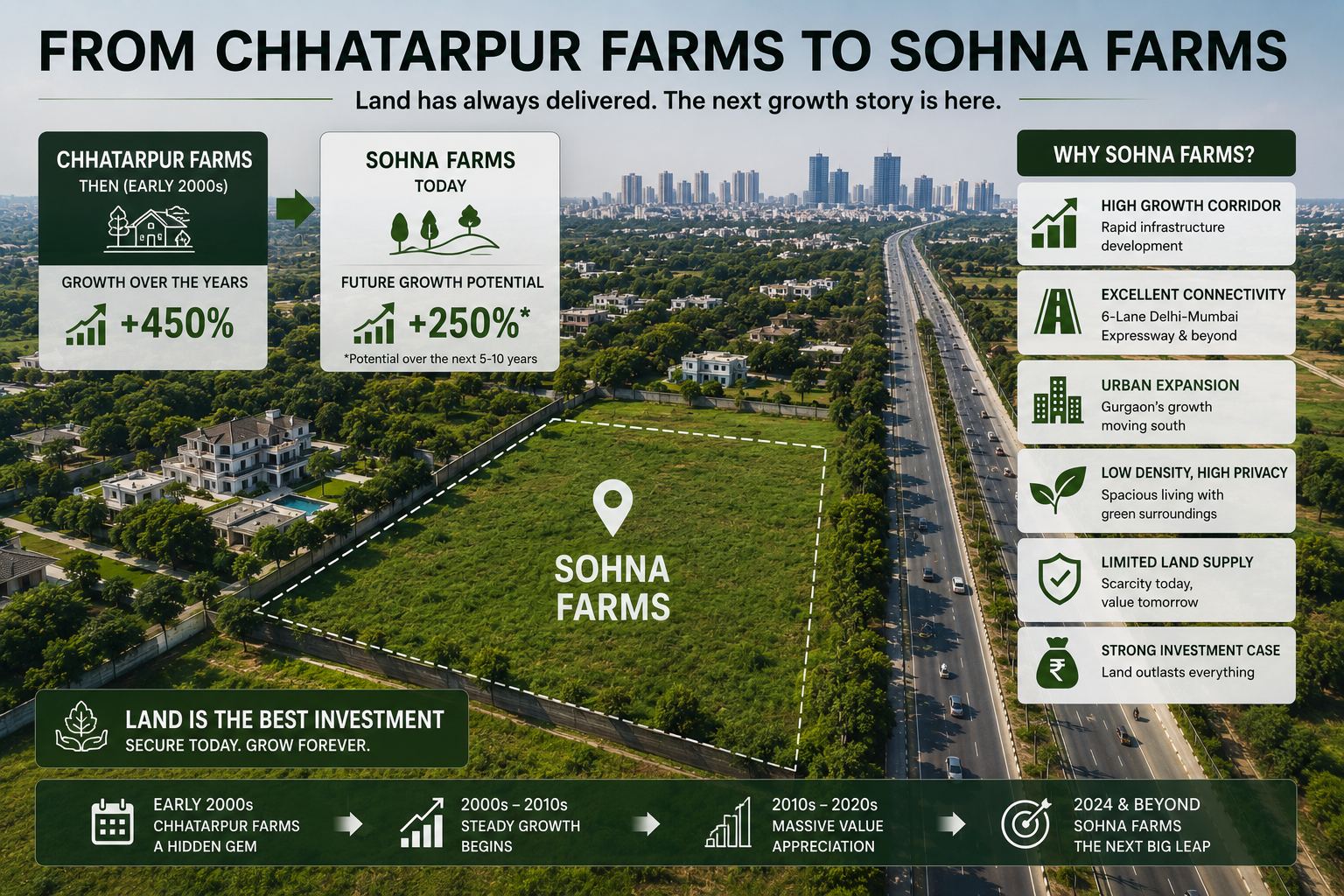
How Chhatarpur Farmhouses Created Multi-Crore Wealth for Early Buyers
What a quiet corner of South Delhi can teach investors about land, scarcity, and long-term wealth creation.
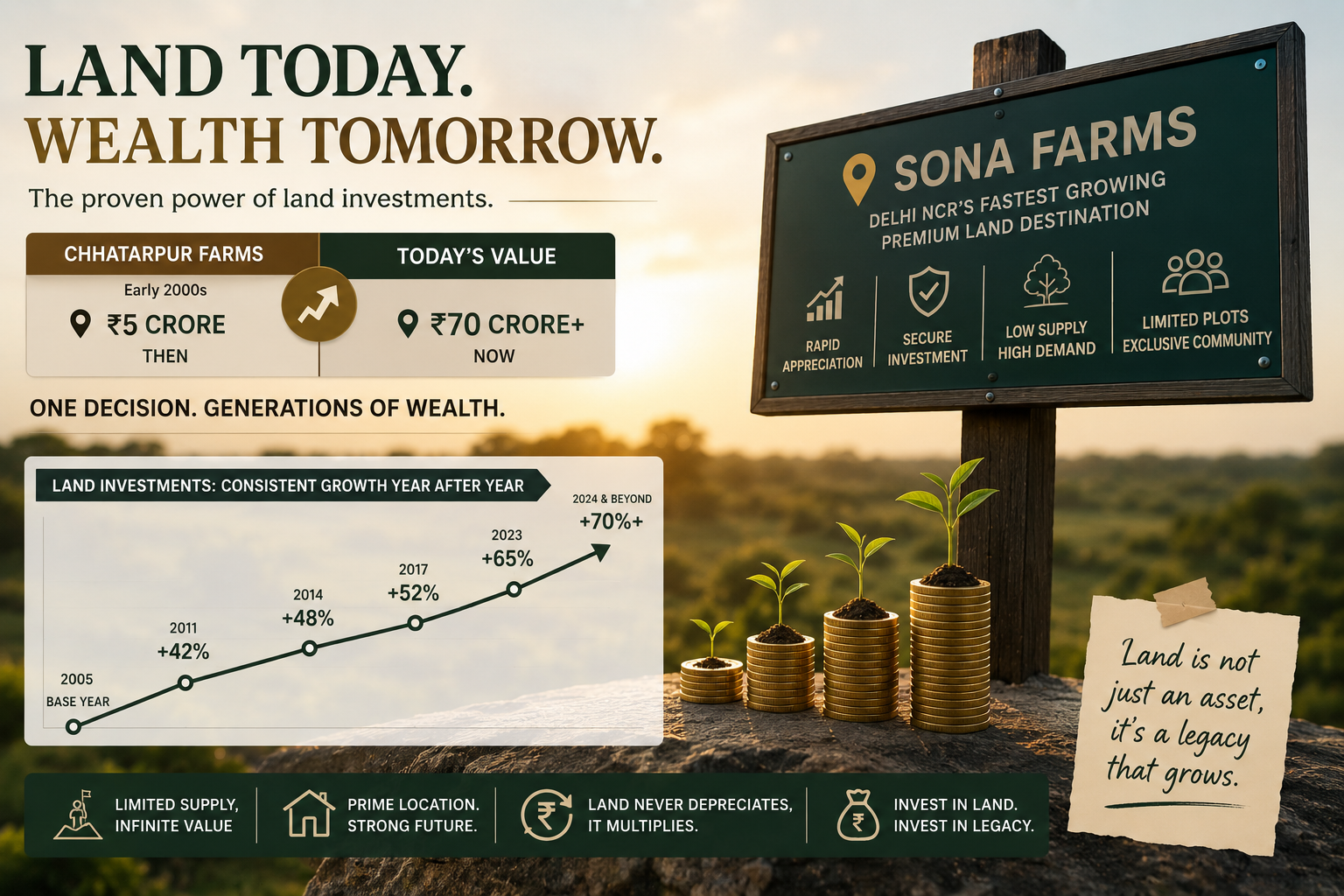
The ₹5 Crore Land Purchase That Became Worth ₹70 Crore
What the Story of DLF Chhatarpur Farms Reveals About Wealth Creation Through Premium Land Ownership
One short email. Stories you can use.
A free, occasional email from our editorial team with our latest features, explainers and reads. Unsubscribe any time — your email stays with us.