The Diminishing Returns of Instant Delivery: Quick Commerce Rethinks Its UK Ambitions
The rapid expansion of instantaneous retail in Britain faces a strategic pivot, as operators grapple with the true cost of speed and the sustainability of their hyper-local models. A recalibration of consumer expectations and operational realities is now underway.

A recent financial update from Deliveroo revealed a narrowing path to profitability, even as its gross transaction value (GTV) demonstrated resilience in its UK and Ireland segment. This scenario, where top-line growth coexists with persistent pressure on margins, epitomises the core challenge confronting the quick commerce sector across Britain. The initial land grab for market share, fuelled by venture capital, is giving way to a more pragmatic assessment of long-term viability, particularly as economic headwinds influence consumer spending patterns.
The pandemic-era surge in demand for on-demand groceries and goods established a new category of retail, with players like Getir and Gorillas rapidly deploying dark stores across urban centres. However, the operational intensity of these models – requiring high staff-to-order ratios, expensive urban real estate for micro-fulfilment centres, and a delivery infrastructure reliant on a flexible workforce – has proven difficult to square with sustainable unit economics. Many of these early entrants, often backed by substantial private equity, have since significantly scaled back or exited the UK market, illustrating the sector's unforgiving landscape.
Traditional grocers were quick to respond, integrating quick commerce into their existing operations rather than building from scratch. Tesco, for instance, expanded its Whoosh service, offering rapid delivery from a growing number of its Express stores. Similarly, Sainsbury's Chop Chop service and Marks & Spencer's partnership with Ocado's Zoom offering leverage established store networks, distributing the cost of infrastructure across multiple retail functions. This hybrid approach allows them to compete on speed without the same capital expenditure burden as pure-play quick commerce companies.
The Consumer Price Sensitivity Threshold
A crucial factor influencing the quick commerce sector’s evolution is consumer willingness to pay. While the convenience of a 15-minute delivery holds appeal, particularly for impulse purchases or forgotten items, the associated delivery fees and premium pricing for goods often deter frequent use. As household budgets tighten, the perceived value of instant gratification diminishes against the backdrop of an extra couple of pounds per order. Data indicates that while many Britons value convenience, a significant portion remain price-sensitive, often reverting to scheduled supermarket deliveries or in-person shopping for larger, planned purchases.
One industry analyst observes that the sector’s current trajectory suggests a consolidation, where only those capable of achieving substantial economies of scale or integrating quick delivery as an ancillary service, rather than the primary business model, will likely thrive.
This shift is compelling companies to refine their value proposition. Instead of universal instant delivery, some are focusing on specific product categories – such as late-night essentials, medical prescriptions, or niche gourmet items – where the premium for speed is more readily accepted. Others are exploring subscription models to lock in customer loyalty and reduce the per-order delivery cost for frequent users, aiming to normalise the expectation of a small fee for ultra-fast service.
Operational Efficiency and Dark Store Optimisation
The efficiency of the dark store model itself is under intense scrutiny. Initial strategies often involved locating these micro-warehouses in prime, high-street locations to ensure maximum reach, incurring substantial rental costs. A more refined approach involves optimising inventory management within these smaller footprints, employing sophisticated AI to predict local demand, and streamlining picking and packing processes to minimise labour costs per order. Automation, where feasible and cost-effective, also represents a future avenue for improving throughput.
Furthermore, the environmental implications of a constant stream of small, rapid deliveries are drawing greater attention. Companies are increasingly investing in electric vehicle fleets and optimising delivery routes to reduce carbon emissions and operational expenditure. This aligns with a growing consumer preference for sustainable practices, which, while not always translating to a willingness to pay more, can influence brand perception and long-term customer allegiance.
The quick commerce landscape in the UK is therefore transitioning from a phase of aggressive expansion to one of strategic refinement. Profitability, rather than sheer growth, has become the paramount objective, demanding a more nuanced understanding of consumer behaviour, operational costs, and the ultimate utility of instantaneous fulfilment.
News Legacy maintains editorial independence. Some recommendations may contain affiliate links. We earn from qualifying purchases at no additional cost to you. Read our policy.
Read Next

Is Sohna Really the Next Chhatarpur?
Three decades after Chhatarpur redrew South Delhi's map for space, privacy and exclusivity, a familiar pattern is now taking shape further south, and Sohna is where the smart money is beginning to look.
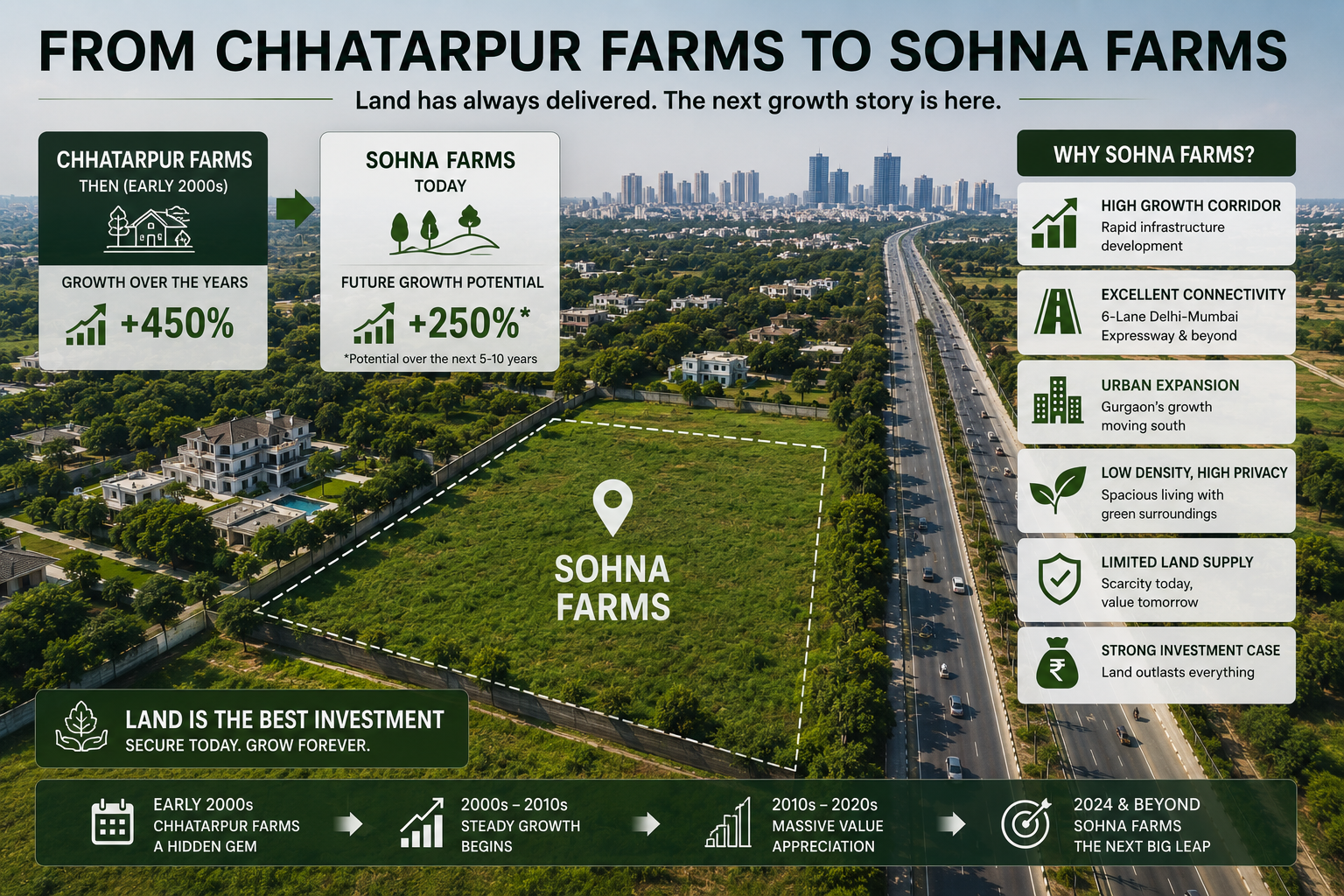
How Chhatarpur Farmhouses Created Multi-Crore Wealth for Early Buyers
What a quiet corner of South Delhi can teach investors about land, scarcity, and long-term wealth creation.
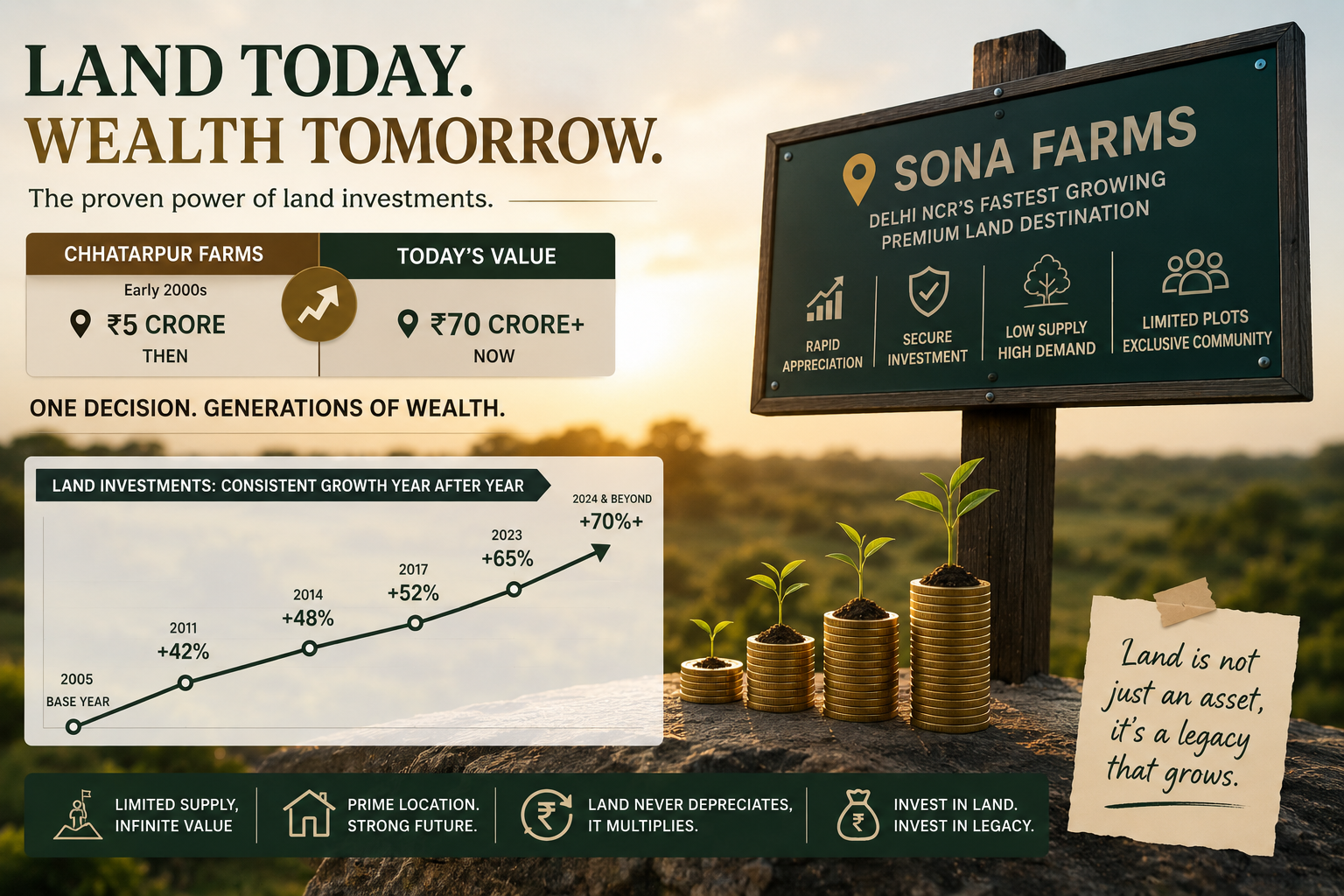
The ₹5 Crore Land Purchase That Became Worth ₹70 Crore
What the Story of DLF Chhatarpur Farms Reveals About Wealth Creation Through Premium Land Ownership
One short email. Stories you can use.
A free, occasional email from our editorial team with our latest features, explainers and reads. Unsubscribe any time — your email stays with us.