The Diminishing Returns of Instant Gratification in UK Quick Commerce
After years of aggressive expansion and lavish investment, the rapid grocery delivery model in the United Kingdom is confronting the hard realities of operational cost and sustainable consumer demand. The market is consolidating, with traditional retailers now charting a more cautious, integrated course.

A recent review of delivery options on a central London street reveals a distinct shift. While Just Eat and Deliveroo continue to offer a broad array of restaurant meals, the independent quick grocery players that once promised provisions within minutes have largely receded. The ubiquitous dark stores and dedicated couriers, once symbols of unprecedented venture capital injection, are increasingly difficult to locate. This evolution marks a critical juncture for the quick commerce sector, indicating a recalibration after an era of hyper-growth predicated on unsustainable economics.
The initial surge in demand, largely amplified by the pandemic, masked fundamental challenges within the quick grocery delivery model. Offering highly discounted products and free or minimal delivery fees, companies like Getir and Gorillas competed aggressively for market share. Their strategy relied on rapid customer acquisition and the expectation that scale would eventually offset high operating costs. However, the cost of warehousing, inventory management, last-mile logistics, and maintaining a substantial courier fleet proved difficult to reconcile with the average basket size, which frequently fell below £20.
Traditional UK supermarkets, initially slow to react to the 'instant' delivery promise, have since integrated quicker options into their established infrastructure. Tesco, for instance, expanded its Whoosh service, leveraging its existing network of hundreds of large stores for picking and dispatch, rather than setting up costly dark stores. Sainsbury's similarly pushed its Chop Chop service. This approach allows them to utilise existing stock, staff, and delivery slots, avoiding the duplicative capital expenditure that plagued pure-play quick commerce companies.
The Cost of Speed
The financial results from the leading quick commerce entities painted a stark picture. Getir, a prominent player, reportedly reduced its UK operations significantly, following substantial global retrenchment. This strategic contraction reflects the broader industry's struggle to achieve profitability. The model's inherent challenge lies in reconciling the consumer expectation for convenience with the high fixed and variable costs associated with rapid fulfilment. Every order, particularly those under a certain threshold, was effectively subsidised, relying heavily on investor capital rather than intrinsic operational efficiency.
The UK consumer, while valuing convenience, has also demonstrated a sensitivity to pricing, especially during periods of economic constraint. The initial appeal of impulse purchases delivered within fifteen minutes often diminished when facing higher product markups or delivery charges necessary for providers to break even. Loyalty programs and subscription models, while attempted, have not consistently generated sufficient repeat business at profitable margins to sustain the aggressive expansion seen in 2021 and 2022.
The market has demonstrated that while speed is desirable, it is rarely the sole determinant of consumer choice when balanced against cost and product availability. Sustainable models prioritise integrated value.
The strategic alliances formed between established delivery platforms and traditional retailers further underscore this shift. Deliveroo and Just Eat, primarily known for restaurant deliveries, have increasingly partnered with supermarket chains such as Morrisons and Co-op. This allows retailers to tap into an existing logistics network for quicker delivery without assuming the full operational burden themselves, while the platforms gain new revenue streams and leverage their courier base more efficiently.
A Calibrated Future
Looking forward, the quick commerce landscape is unlikely to disappear entirely, but its form is evolving. The focus is moving from speculative rapid expansion to a more integrated, financially disciplined approach. Traditional grocers are likely to continue refining their hybrid models, offering varied delivery speeds and pricing tiers based on urgency and basket size. The premium for instant delivery will probably remain, but it will be a niche offering, priced to reflect its true cost, rather than a subsidised mass-market service. The era of quick commerce as a standalone, loss-making pursuit appears to be drawing to a close, replaced by a more sober integration within the broader retail ecosystem.
News Legacy maintains editorial independence. Some recommendations may contain affiliate links. We earn from qualifying purchases at no additional cost to you. Read our policy.
Read Next
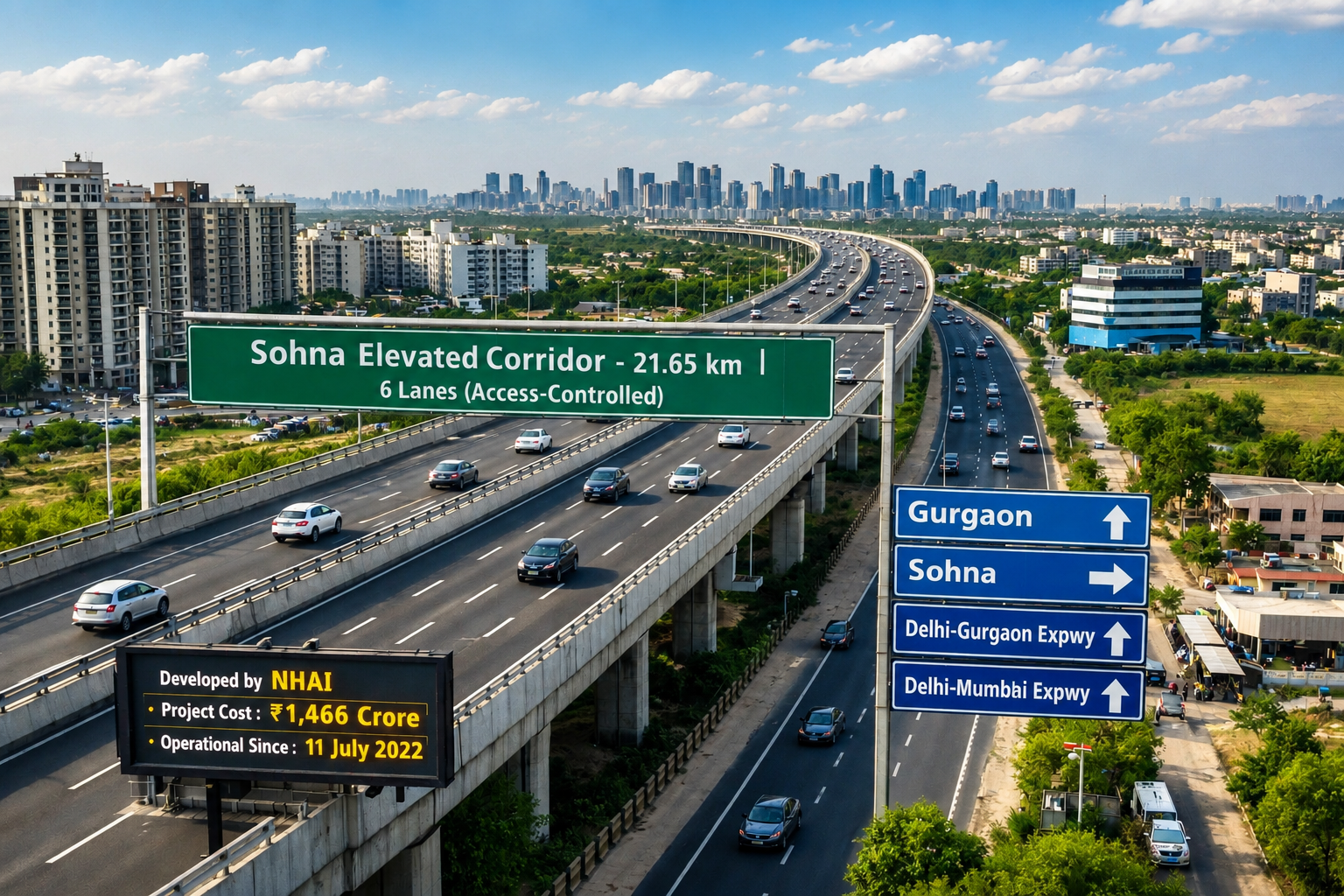
Is Sohna Really the Next Chhatarpur?
Three decades after Chhatarpur redrew South Delhi's map for space, privacy and exclusivity, a familiar pattern is now taking shape further south, and Sohna is where the smart money is beginning to look.
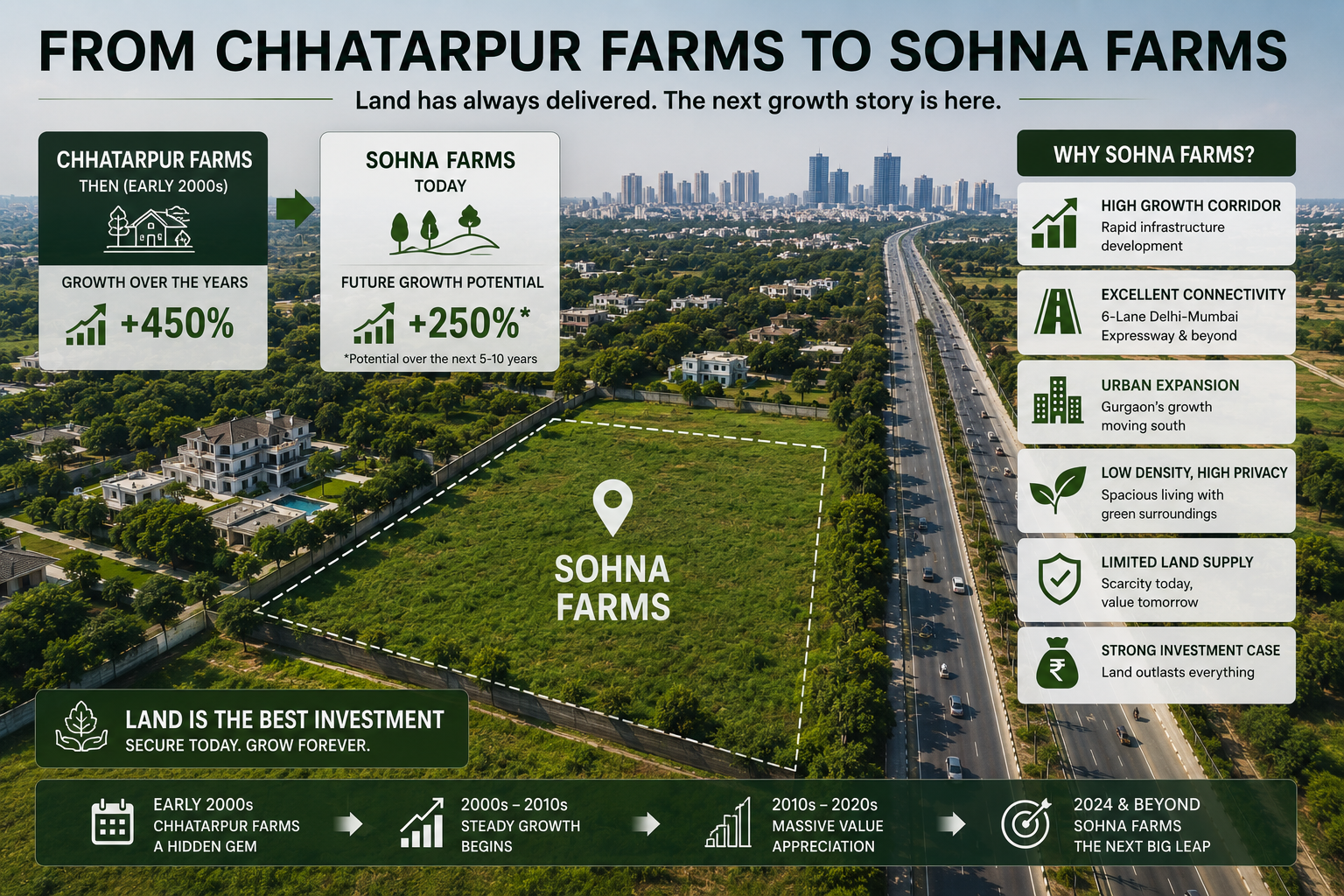
How Chhatarpur Farmhouses Created Multi-Crore Wealth for Early Buyers
What a quiet corner of South Delhi can teach investors about land, scarcity, and long-term wealth creation.
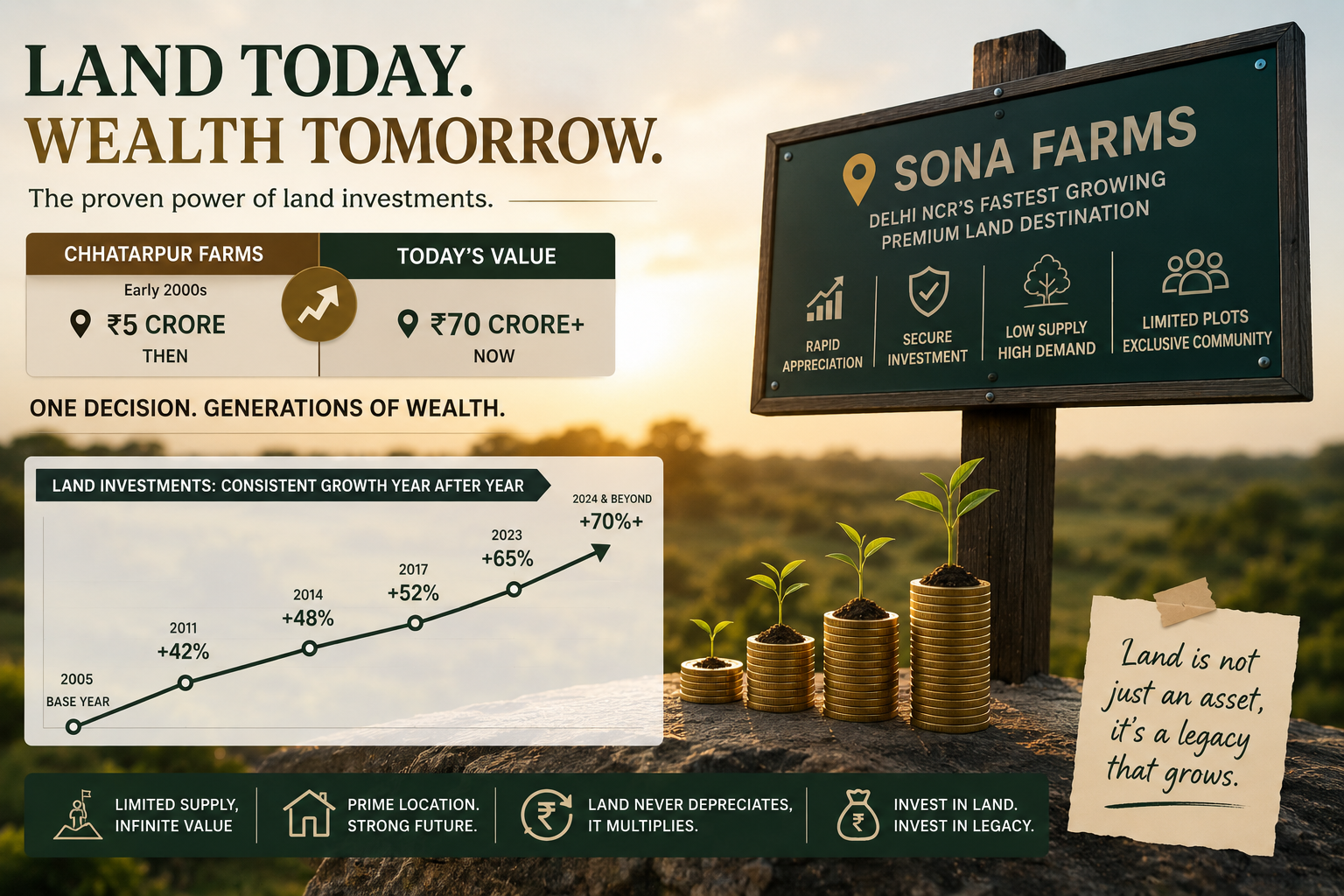
The ₹5 Crore Land Purchase That Became Worth ₹70 Crore
What the Story of DLF Chhatarpur Farms Reveals About Wealth Creation Through Premium Land Ownership
One short email. Stories you can use.
A free, occasional email from our editorial team with our latest features, explainers and reads. Unsubscribe any time — your email stays with us.