The Disappearing Basket: How Digital Habits Reshaped UK Retail's Foundation
Across Britain, the once-unassailable weekly shop has fragmented into a mosaic of digital orders and impulse purchases, compelling established retailers to recalibrate fundamental business models.

From the bustling aisles of a Tesco Extra to the curated displays of a Marks & Spencer Food Hall, the traditional rhythm of the British weekly grocery shop has undergone a profound transformation. What was once a singular, often lengthy excursion has increasingly fragmented into a series of more frequent, smaller transactions, heavily influenced by digital convenience. This shift is not merely an operational tweak for retailers; it represents a fundamental rewiring of consumer behaviour, with implications stretching from supply chain logistics to customer loyalty strategies.
The ubiquity of instant delivery services, alongside the established online offerings from major supermarkets, has fundamentally altered expectations. Consumers, now accustomed to the rapid arrival of a forgotten ingredient or a last-minute meal, exhibit less patience for the extensive planning and travel associated with a large, consolidated shop. Deliveroo and Just Eat, alongside the grocery-specific platforms like Ocado, have cultivated an 'on-demand' mindset, challenging the very notion of a scheduled procurement cycle.
Analysis of spending patterns indicates a move towards 'top-up' or 'fill-in' shopping occasions. While the overall volume of goods purchased may remain consistent, the frequency of purchases has increased, with smaller basket sizes characterising many transactions. This phenomenon places pressure on retailers to optimise inventory management for faster turnover and to rethink store layouts to facilitate quicker in-and-out visits.
The Digital Divide and Diversification
This evolving landscape presents a complex challenge for legacy retailers. Supermarket giants like Sainsbury's and Tesco have invested heavily in their online infrastructure, aiming to capture a share of the digital spend. Tesco, for instance, reported its online grocery sales peaked at over £6 billion during the pandemic, a significant uplift that has largely stabilised, demonstrating the embedded nature of digital channels. However, maintaining profitability in online grocery, with its associated delivery and picking costs, remains a persistent hurdle.
Beyond food, the apparel sector also illustrates this fragmentation. While ASOS built its empire on the promise of boundless online choice, traditional high-street stalwarts like Next have successfully integrated sophisticated online platforms with a strong physical presence, offering click-and-collect options that bridge the digital and tangible. Marks & Spencer, navigating its own digital transition, has similarly invested in its online offering to complement its iconic physical stores, particularly as it seeks to rejuvenate its clothing division.
The expectation of instant gratification, once a luxury, has become a baseline requirement for many segments of the British consumer market.
The financial implications are substantial. Retailers are grappling with higher fulfilment costs per item due to smaller average order values and the logistical complexities of last-mile delivery. Investing in automation, such as the advanced warehouses operated by Ocado, becomes critical for maintaining competitive pricing and service levels. For traditional stores, this means a shift in emphasis from simply selling products to acting as omnichannel hubs, facilitating returns, collections, and even offering more experiential elements.
Reshaping Customer Loyalty
Loyalty programmes, once primarily focused on rewarding large cumulative spends, are adapting to this fragmented purchasing behaviour. Retailers are increasingly using data analytics to understand these micro-journeys, tailoring promotions and personalised offers that resonate with more frequent, smaller basket occasions. The goal is to retain share of wallet across multiple touchpoints rather than relying on a single, large weekly interaction.
The long-term trajectory suggests a retail environment where agility and sophisticated data utilisation will be paramount. Retailers that can seamlessly integrate their online and offline propositions, understand the nuances of fragmented demand, and manage the economics of diverse fulfilment channels will be best positioned to thrive as British shopping habits continue their digital evolution.
News Legacy maintains editorial independence. Some recommendations may contain affiliate links. We earn from qualifying purchases at no additional cost to you. Read our policy.
Read Next
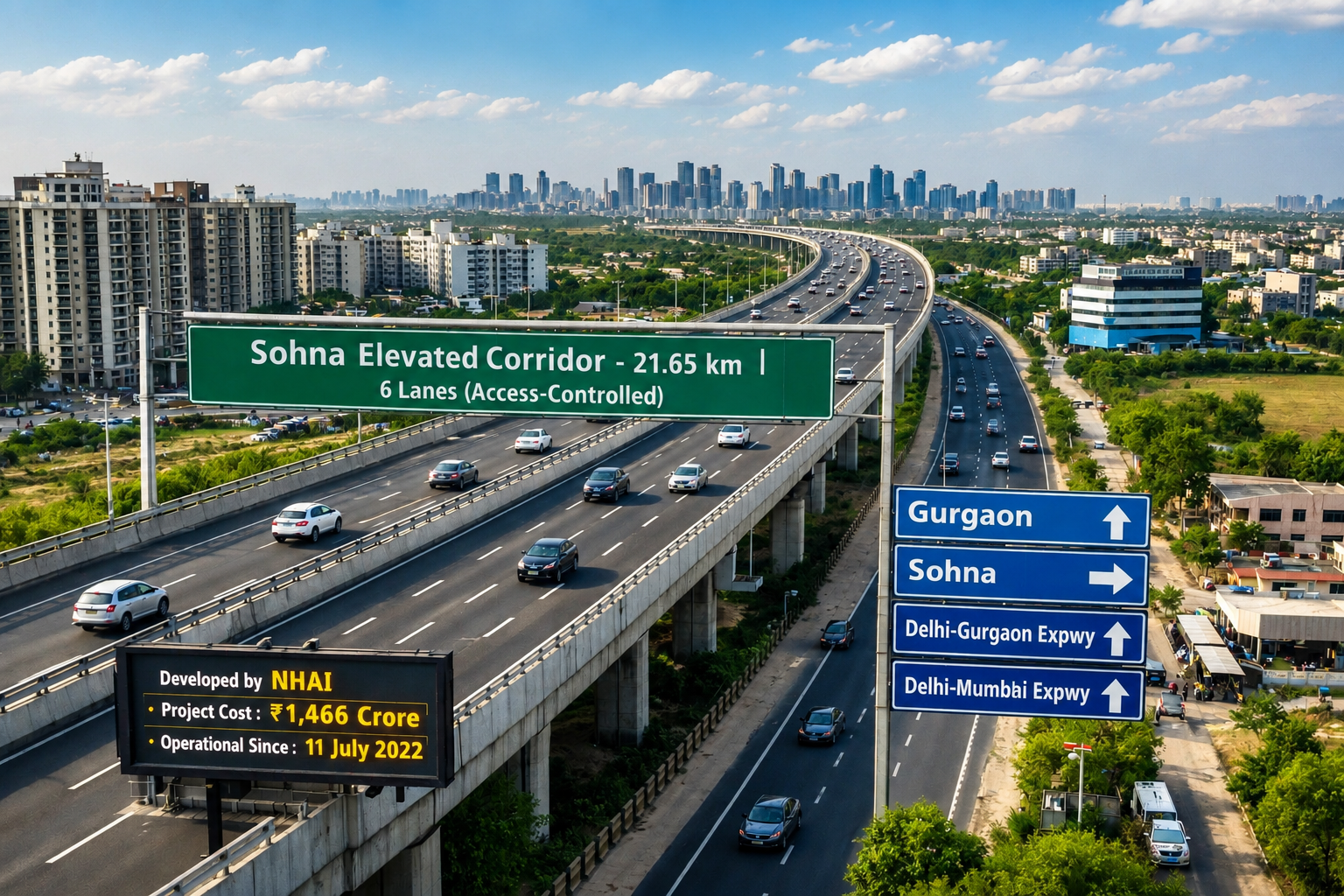
Is Sohna Really the Next Chhatarpur?
Three decades after Chhatarpur redrew South Delhi's map for space, privacy and exclusivity, a familiar pattern is now taking shape further south, and Sohna is where the smart money is beginning to look.
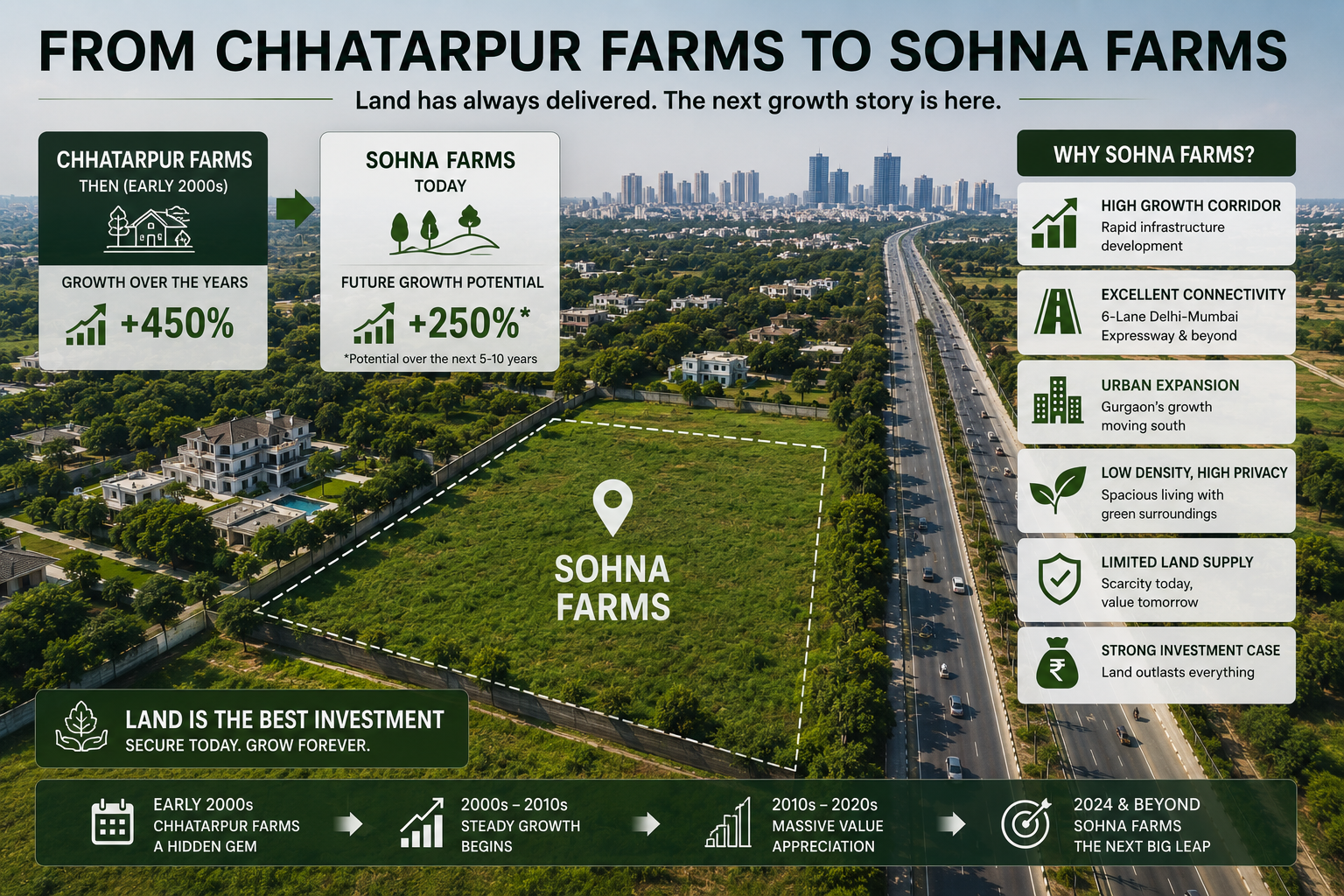
How Chhatarpur Farmhouses Created Multi-Crore Wealth for Early Buyers
What a quiet corner of South Delhi can teach investors about land, scarcity, and long-term wealth creation.
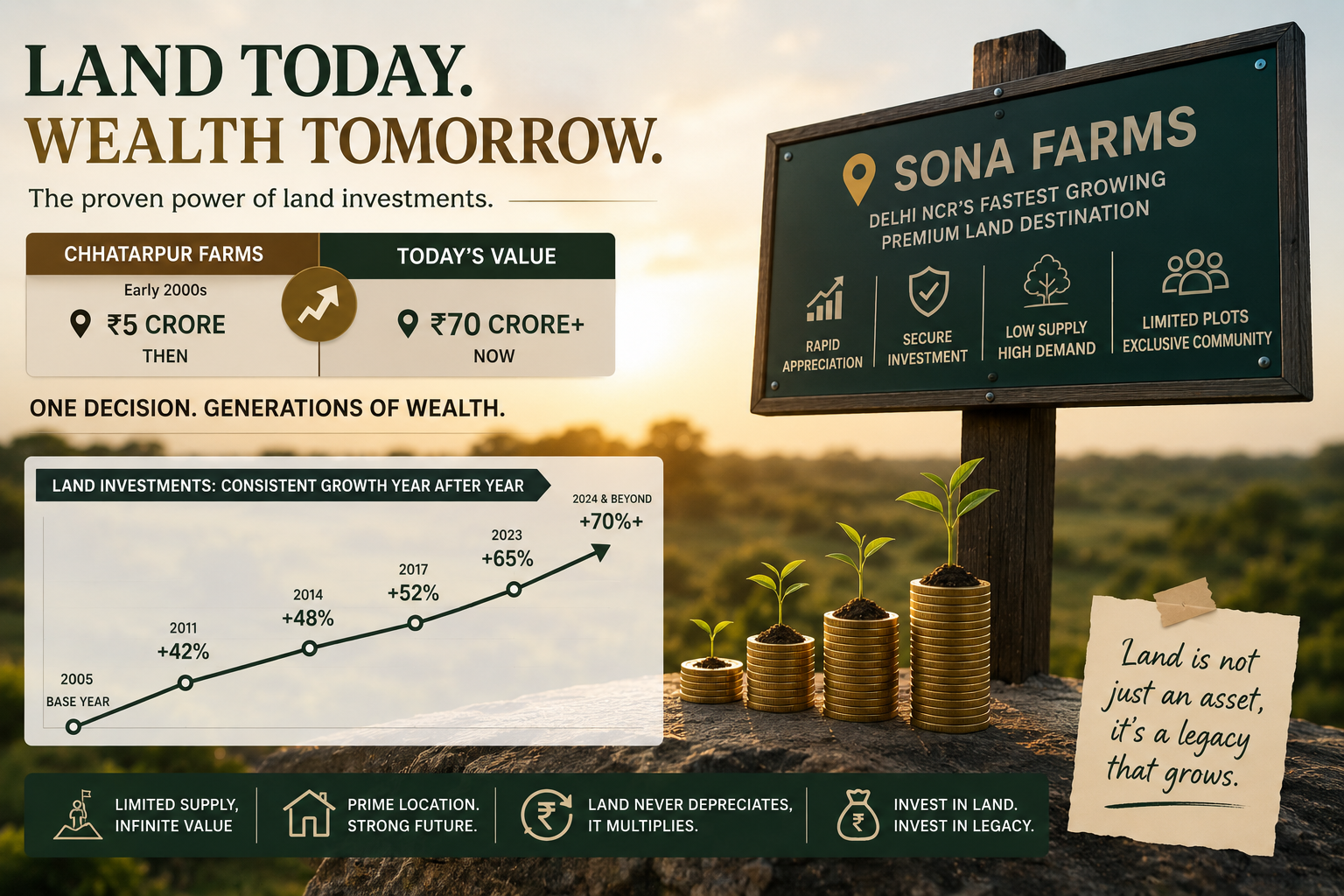
The ₹5 Crore Land Purchase That Became Worth ₹70 Crore
What the Story of DLF Chhatarpur Farms Reveals About Wealth Creation Through Premium Land Ownership
One short email. Stories you can use.
A free, occasional email from our editorial team with our latest features, explainers and reads. Unsubscribe any time — your email stays with us.