The Disappearing High Street: How Tech Reshapes UK Retail Footprints
As digital innovation accelerates, the physical presence of British retailers undergoes a fundamental re-evaluation, challenging established models for space and customer engagement.

A recent stroll through London's Oxford Street, traditionally a bastion of retail dynamism, reveals a landscape in flux. While flagship stores like Selfridges and Marks & Spencer continue to anchor the thoroughfare, vacant units and 'to let' signs are increasingly common, even in prime locations. This visible shift is not merely a consequence of economic headwinds; it signals a deeper, technologically driven transformation in how UK retailers approach their physical footprint and engage with a digitally acclimatised consumer base.
The pandemic acted as a significant catalyst, forcing a rapid acceleration in e-commerce adoption across all demographics. Companies such as Tesco and Sainsbury's, already investing heavily in online grocery delivery infrastructure, saw unprecedented demand. This period underscored the critical importance of a robust digital channel, pushing physical stores to justify their existence beyond pure transactional volume. For many, the answer lies in leveraging technology to enhance the experiential, service-oriented, or last-mile fulfilment aspects of retail.
Fashion giants like ASOS and Next exemplify divergent strategies in this evolving environment. ASOS, a pure-play online retailer, continues to refine its digital customer journey and logistics, demonstrating that physical presence is not a prerequisite for market dominance. Conversely, Next, with its blend of online and physical stores, has strategically reduced its high street footprint while simultaneously investing in larger, out-of-town locations that can serve as both retail destinations and online fulfilment hubs. This hybrid model seeks to capitalise on both convenience and experience.
The Smartening of Space
For retailers maintaining a physical presence, technology is becoming indispensable for optimising store performance. From AI-powered footfall analytics informing staff deployment and merchandising decisions to augmented reality applications enhancing product discovery within stores, the aim is to convert a visit into a richer engagement. Marks & Spencer, for instance, has been experimenting with digital screens and revamped food halls to create more appealing environments, seeking to revitalise its enduring brand.
The rise of 'dark stores' and urban fulfilment centres, often repurposed retail units, further illustrates this shift. Ocado's highly automated warehouses, though not customer-facing, are a potent example of how technology facilitates efficient online grocery delivery, directly impacting the viability of traditional supermarket aisles. Deliveroo and Just Eat, while primarily platform businesses, similarly influence the commercial property market by driving demand for ghost kitchens and small-format pickup points.
The utility of a physical store is no longer solely measured by its sales per square foot; its contribution to brand building, online order fulfilment, and experiential engagement is now equally critical.
Data analytics plays a pivotal role in these strategic adjustments. Retailers are deploying sophisticated algorithms to understand purchasing patterns, predict demand, and personalise offers, whether online or in-store. This granular insight allows for more precise inventory management, reducing waste and optimising stock levels across integrated channels, thereby improving profitability in an increasingly competitive landscape where margins remain tight.
Localisation and Logistics
The focus on efficiency extends to logistics, where technological advancements are reshaping distribution networks. Retailers are exploring everything from micro-fulfilment centres located closer to urban consumers to drone delivery trials, although the latter remains largely experimental. The objective is to reduce delivery times and costs, a crucial factor in customer satisfaction and repeat business, especially for perishable goods or urgent purchases.
Looking ahead, the UK retail sector is poised for continued transformation. The distinction between online and offline shopping will likely blur further, replaced by an integrated, omnichannel experience where the physical store, the website, and the mobile application work in concert. Retailers who successfully harness technology to create seamless, personalised, and efficient customer journeys are those most likely to thrive in this evolving environment, redefining the very purpose and appearance of the high street.
News Legacy maintains editorial independence. Some recommendations may contain affiliate links. We earn from qualifying purchases at no additional cost to you. Read our policy.
Read Next
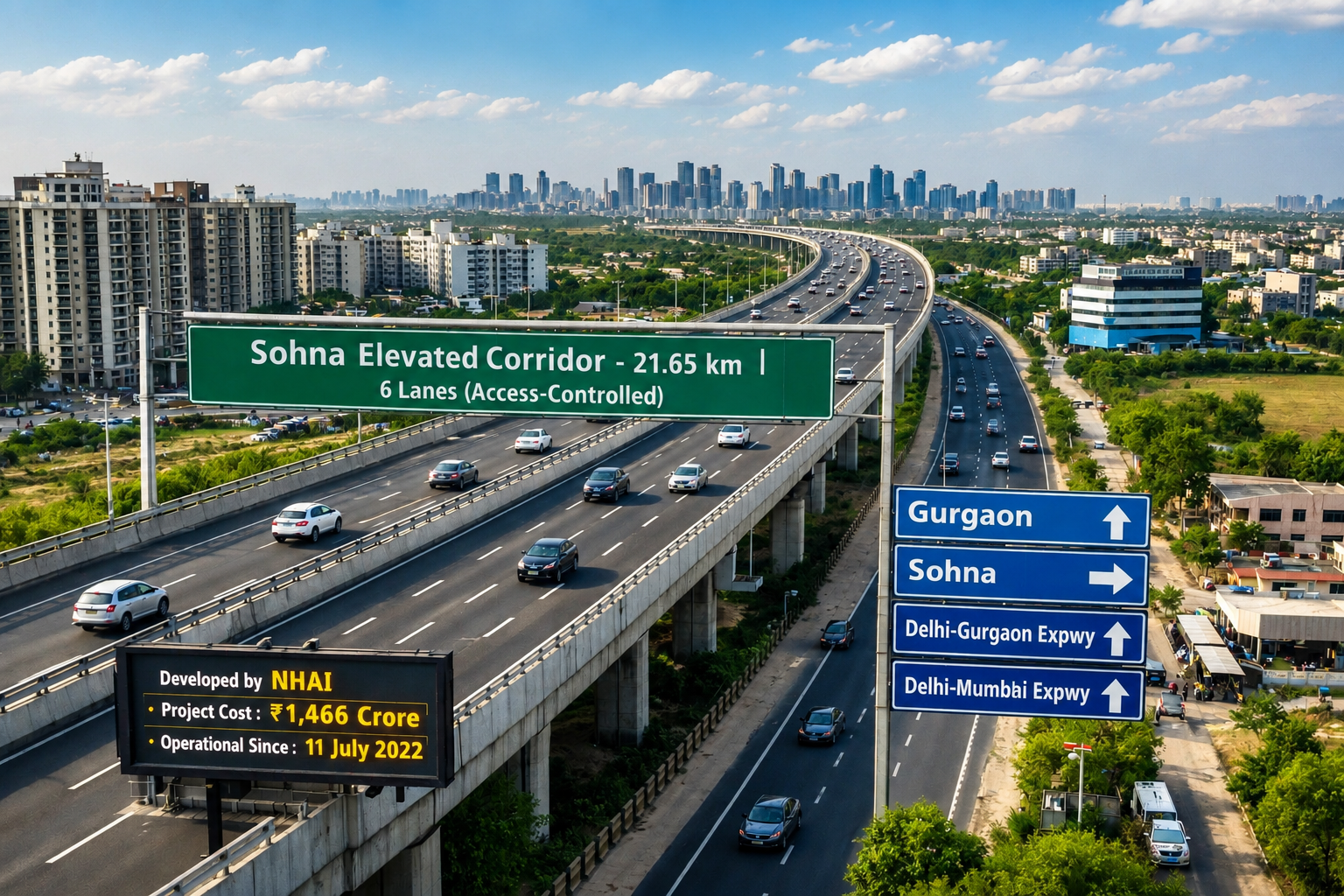
Is Sohna Really the Next Chhatarpur?
Three decades after Chhatarpur redrew South Delhi's map for space, privacy and exclusivity, a familiar pattern is now taking shape further south, and Sohna is where the smart money is beginning to look.
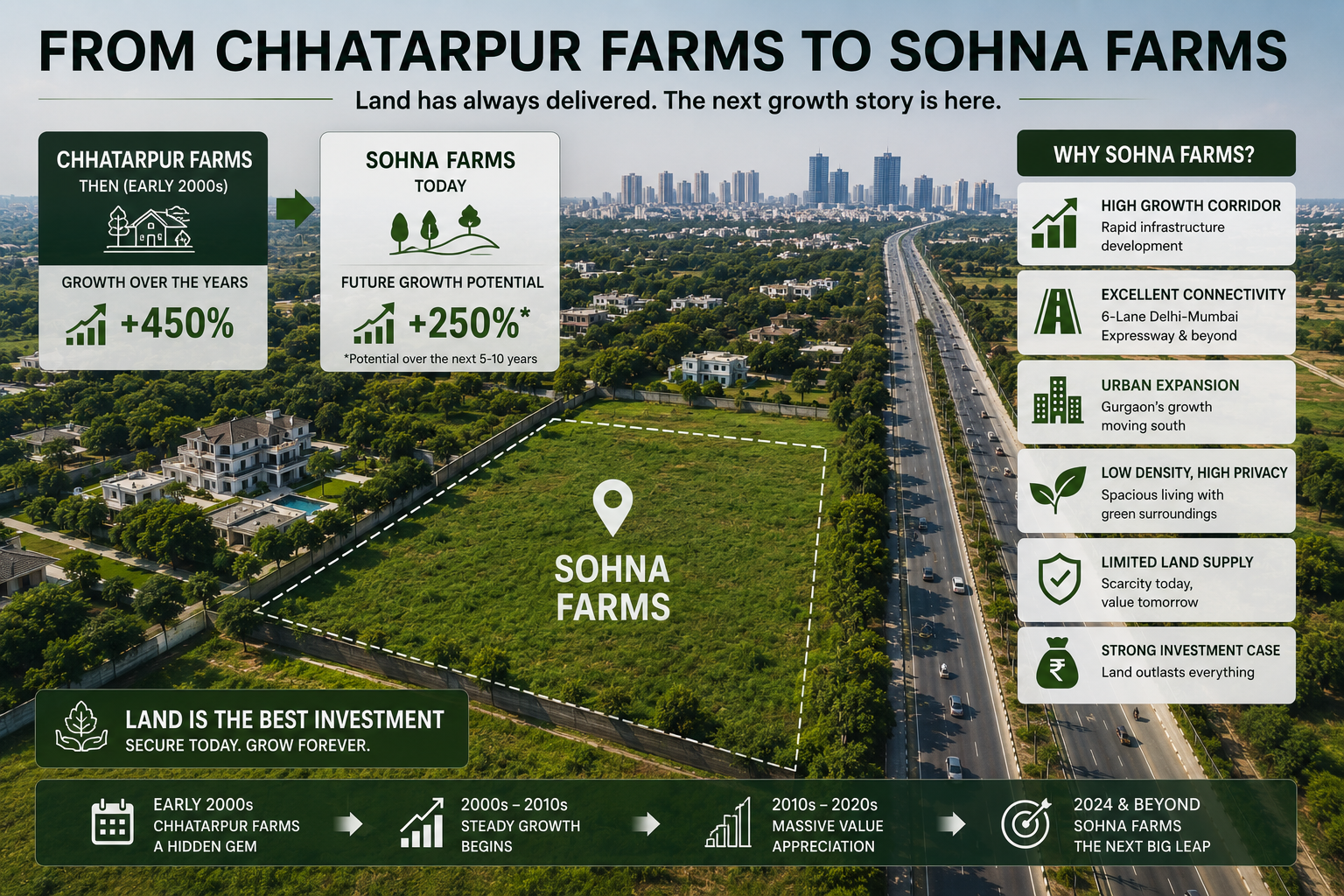
How Chhatarpur Farmhouses Created Multi-Crore Wealth for Early Buyers
What a quiet corner of South Delhi can teach investors about land, scarcity, and long-term wealth creation.
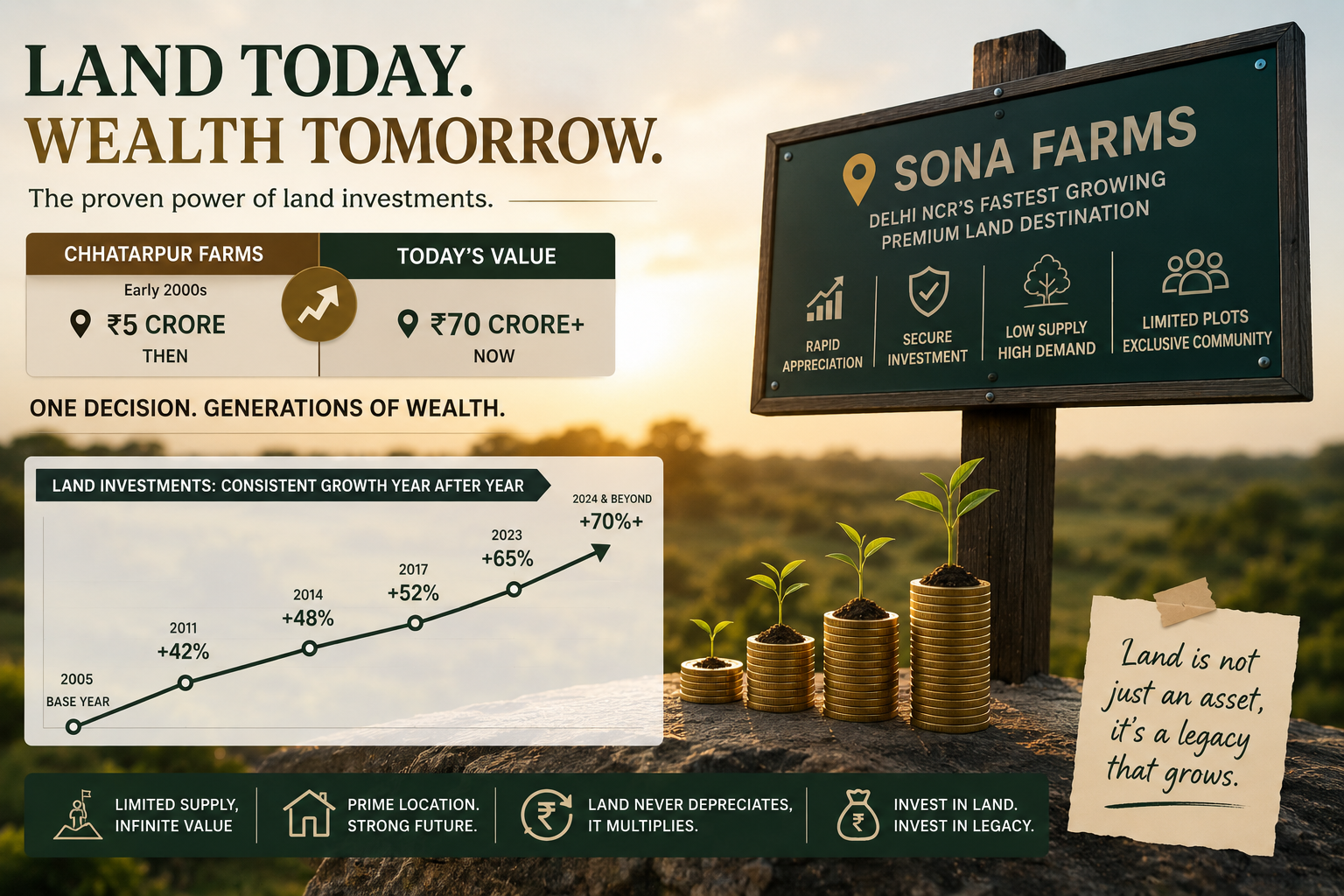
The ₹5 Crore Land Purchase That Became Worth ₹70 Crore
What the Story of DLF Chhatarpur Farms Reveals About Wealth Creation Through Premium Land Ownership
One short email. Stories you can use.
A free, occasional email from our editorial team with our latest features, explainers and reads. Unsubscribe any time — your email stays with us.